English
 Français
 Español
 русский
 عربى
Green Ohm
Green Ohm
Green Ohm
Green Ohm
Green Ohm
Green Ohm
Green Ohm
Green Ohm
Green Ohm
Content
- 1 Why Low-Smoke Halogen-Free Sheathing Materials Matter
- 2 Product Composition and Functional Design
- 3 Key Performance Advantages
- 3.1 High Flame Retardancy
- 3.2 Low Smoke Generation
- 3.3 Halogen-Free and Low-Corrosiveness Characteristics
- 3.4 Resistance to Dripping and Cracking
- 3.5 Balanced Mechanical Properties
- 3.6 Thermal Aging Stability
- 3.7 Low Thermal Deformation
- 3.8 Electrical Insulation Performance
- 3.9 Ozone and Low-Temperature Performance
- 4 Typical Technical Data
- 5 How the Material Compares with Conventional Alternatives
- 6 Advanced Twin-Screw Compounding Process
- 7 Research and Development Strengths
- 8 Application Areas
- 9 Processing Considerations for Cable Manufacturers
- 10 Quality and Technical Support
- 11 Selection Guide for Buyers
- 12 Environmental and Safety Considerations
- 13 Frequently Asked Questions
- 13.1 What are B1 and B2 LSZH cable materials?
- 13.2 What is the difference between the listed grades?
- 13.3 Are these materials suitable for all cables?
- 13.4 Do the materials contain halogens?
- 13.5 How does the material reduce smoke?
- 13.6 What are the reported oxygen index values?
- 13.7 Do the materials resist cracking at low temperature?
- 13.8 What manufacturing process is used?
- 13.9 Can the material be customized?
- 13.10 Does a high oxygen index guarantee a B1 or B2 cable classification?
- 13.11 What industries can use these compounds?
- 13.12 How should customers verify product quality?
- 14 Conclusion
- 15 References
- 16 Product: B1 and B2 low smoke halogen-free sheathing materials
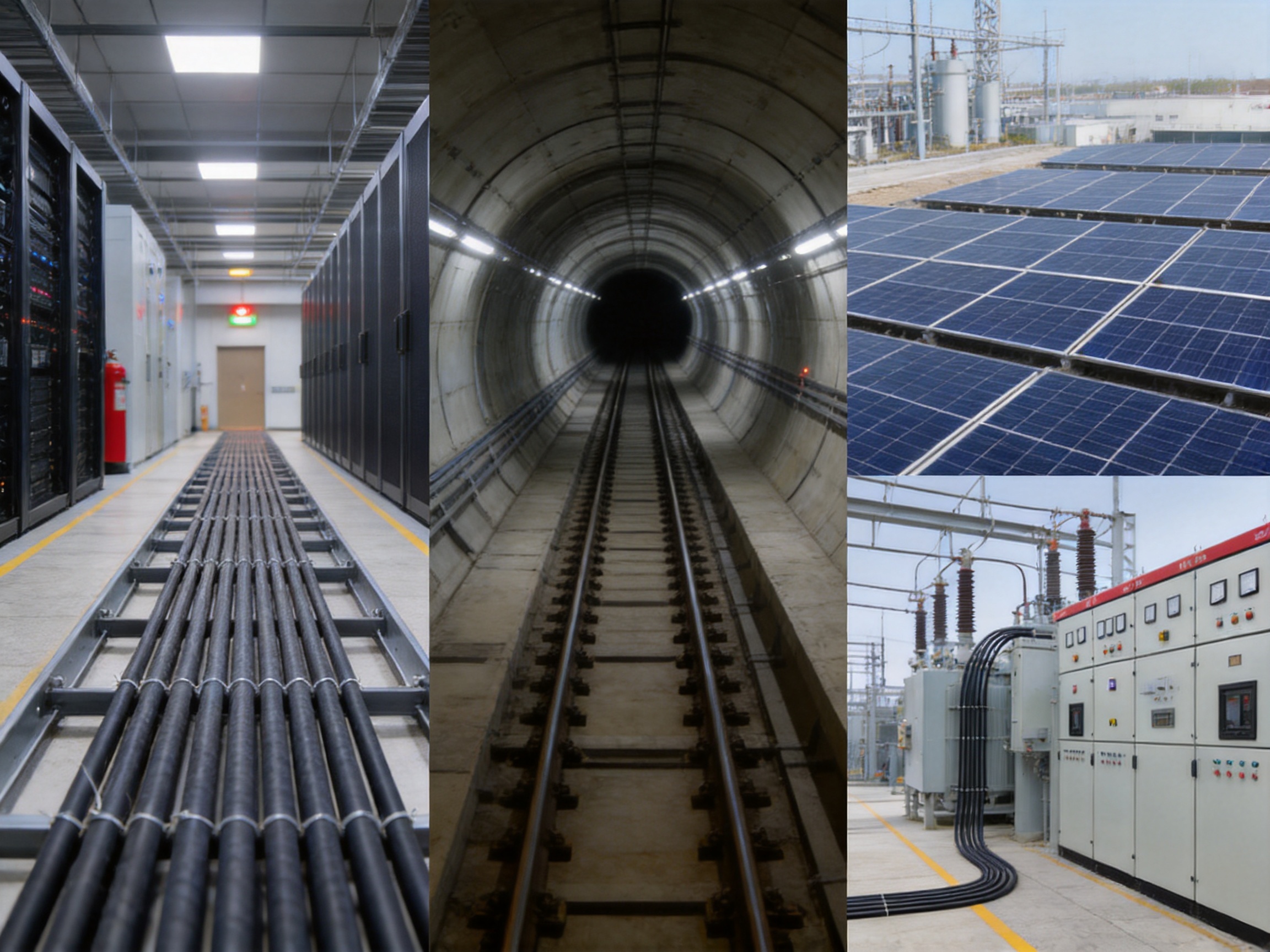
Modern cable systems must do more than transmit power or information. They must also support fire safety, minimize smoke during an emergency, protect people and equipment from corrosive combustion products, and maintain reliable mechanical performance throughout service. These requirements are especially important in public buildings, transportation infrastructure, data centers, industrial facilities, renewable-energy installations, communication networks, and other locations where cable failure or fire emissions could create serious risks.
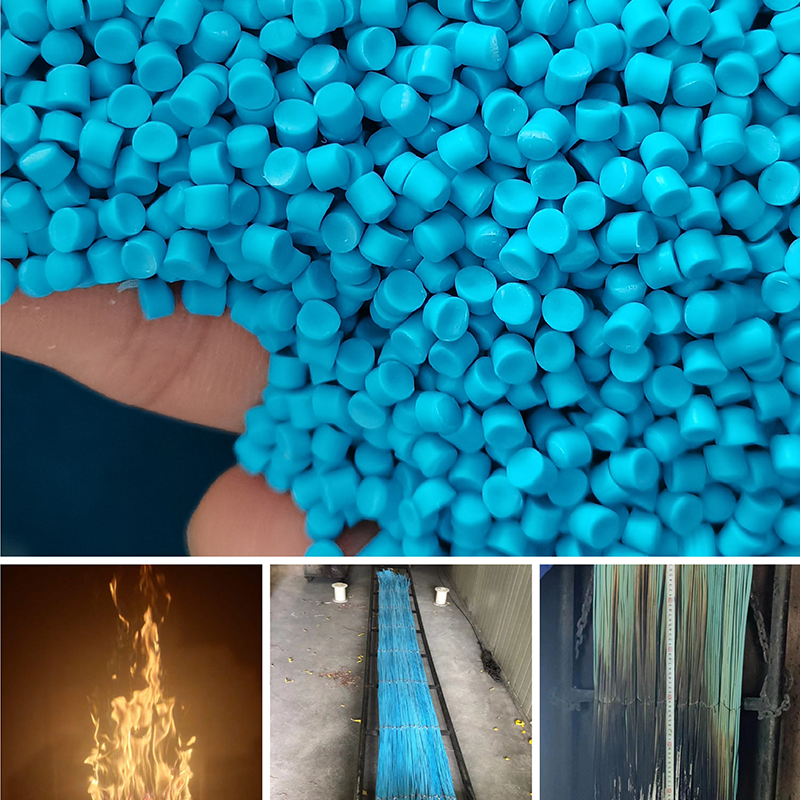
B1 and B2 low-smoke halogen-free sheathing materials are developed to address these challenges. The materials described in this article are polyolefin-based compounds formulated with complex high-efficiency flame retardants, flame-retardant synergists, carbonization agents, antioxidants, and carefully selected processing additives. After high-quality mixing and twin-screw granulation, the compounds are supplied as thermoplastic cable materials suitable for a broad range of cable constructions and specifications.
The formulation is designed to combine high flame retardancy with low smoke density, low corrosiveness, reduced toxicity of combustion products, resistance to dripping, thermal stability, and practical processing performance. The supplied product information identifies the material series as suitable for cables requiring B1 and B2 classifications under GB 31247-2014, as well as B1ca, B2ca, and Cca classification levels under EN 13501-6, subject to the complete cable design, construction, and applicable certification procedures.
In addition to its technical properties, the material benefits from the manufacturing and development capabilities of Jiangsu Duoshang New Materials Technology Co., Ltd. The company specializes in polyolefin cable compounds and provides research, testing, technical documentation, stable production capacity, and customized material solutions for cable manufacturers in different markets.
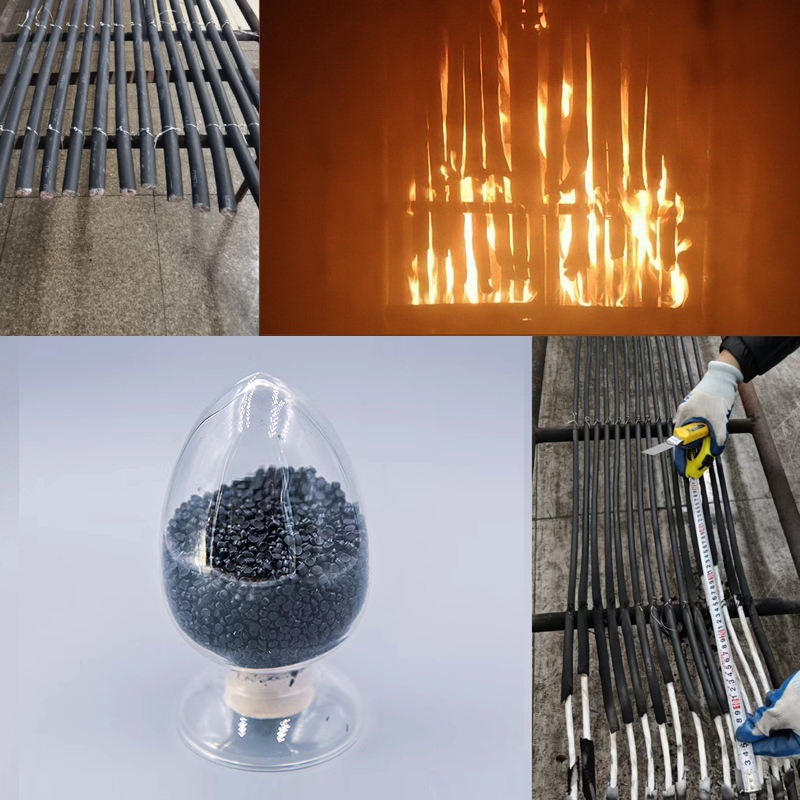
B1 and B2 low smoke halogen-free sheathing materials
Why Low-Smoke Halogen-Free Sheathing Materials Matter
Cable sheathing is the outer protective layer that helps guard conductors, insulation systems, screens, fillers, and other internal components against mechanical damage and environmental exposure. In normal service, the sheath must withstand handling, bending, installation forces, temperature changes, moisture, and contact with surrounding materials. During a fire, however, the sheath becomes part of the combustion environment and can influence flame spread, smoke generation, corrosivity, and the formation of burning droplets.
Traditional halogen-containing materials may generate acidic gases and corrosive smoke when exposed to fire. These gases can irritate the respiratory system, reduce visibility, damage electronic equipment, and accelerate corrosion of metallic components. In a confined area such as a tunnel, station, hospital, office building, or data center, these effects can complicate evacuation and increase secondary losses.
Low-smoke halogen-free compounds are formulated without intentionally adding halogenated flame-retardant systems as the primary solution. Instead, they generally rely on mineral flame retardants, synergistic additives, carbonization mechanisms, and polymer design to reduce flame propagation while limiting smoke and corrosive emissions. The result is a material family intended to support safer cable systems in occupied or sensitive environments.
The term “low-smoke halogen-free” does not mean that a cable will produce no smoke under every possible fire condition. Smoke depends on the cable design, polymer quantity, installation arrangement, fire exposure, and test method. It means that the material has been engineered to reduce smoke generation and halogen-related corrosive gases compared with conventional halogen-containing alternatives when evaluated under relevant test conditions.
Product Composition and Functional Design
The B1 and B2 sheathing materials are based on polyolefin resin. Polyolefins provide a useful foundation for cable compounds because they offer a balance of processability, electrical insulation, chemical resistance, flexibility, and cost efficiency. The base polymer can be adjusted with fillers and additives to achieve the required combination of tensile strength, elongation, flame resistance, thermal aging performance, and low-temperature behavior.
Complex high-efficiency flame retardants are included to increase resistance to ignition and flame propagation. These materials can operate through several mechanisms, including dilution of combustible polymer content, heat absorption, formation of a protective barrier, and reduction of flammable decomposition products. The formulation must balance flame resistance with mechanical properties because excessive filler loading can reduce elongation, increase brittleness, or make extrusion more difficult.
Flame-retardant synergists improve the effectiveness of the primary flame-retardant package. A synergist can promote char formation, stabilize a protective surface layer, improve the interaction between components, or support more efficient suppression at a lower total additive level. The selection and dispersion of synergists are important because performance depends not only on the chemical identity of an additive but also on its distribution throughout the polymer matrix.
Carbonization agents support the formation of a protective carbonaceous layer during thermal decomposition. A stable char layer can act as a barrier between the flame and the underlying polymer. It can slow heat transfer, reduce the release of combustible gases, and limit the progression of burning along the cable surface. The quality of this layer is influenced by the formulation, processing temperature, shear history, and final cable geometry.
Antioxidants help protect the polyolefin matrix during compounding, extrusion, thermal aging, and long-term service. They can reduce the effects of thermo-oxidative degradation and help preserve tensile strength and elongation. Processing additives are used to support melt flow, dispersion, surface quality, and stable extrusion. The formulation therefore represents a coordinated system rather than a simple mixture of resin and flame retardant.
Key Performance Advantages
High Flame Retardancy
The central purpose of the material series is to support high cable flame-retardant performance. The supplied typical oxygen index values range from 38% to 42%, compared with a stated standard requirement of at least 30%. A higher oxygen index generally indicates that a material requires a higher oxygen concentration to sustain combustion under the relevant test method. This provides an important indication of the formulation’s resistance to continued burning.
Oxygen index alone does not determine the final fire classification of a complete cable. Cable diameter, sheath thickness, conductor arrangement, insulation materials, spacing, installation configuration, and the specific fire test all influence classification. Nevertheless, the reported oxygen index values show a meaningful margin above the stated requirement and support the material’s intended use in high-flame-retardancy cable applications.
Low Smoke Generation
Smoke density is a critical property in enclosed or densely occupied environments. The reported flaming smoke density values range from 62 to 75, against a stated limit of no more than 100. The reported flameless smoke density values range from 198 to 223, against a stated limit of no more than 350.
These values indicate that the material has been designed to limit smoke under both flaming and flameless conditions. Reduced smoke can help preserve visibility and may support safer evacuation and emergency response. It can also reduce the contamination of equipment, control panels, optical components, and other sensitive systems.
Smoke performance is a practical advantage over many conventional cable materials that can generate dense, opaque smoke during fire exposure. However, the actual smoke behavior of a finished cable must be verified using the required test method and cable configuration. Material-level data should therefore be used as an important design reference rather than as a substitute for complete cable certification.
Halogen-Free and Low-Corrosiveness Characteristics
The material specifications list HCl and HBr content below 0.5% and a pH value of approximately 5.1 to 5.2. Conductivity is reported at approximately 1.1 μS/mm, below the stated limit of 10 μS/mm. These results are relevant to the evaluation of low-corrosiveness combustion behavior.
Low-corrosiveness materials are especially valuable where cables are installed near electronic equipment, metal structures, control systems, data-processing hardware, and communication devices. During a fire, the reduction of acidic and conductive deposits can help limit secondary damage to equipment and infrastructure. This characteristic is one of the main reasons low-smoke halogen-free compounds are increasingly selected for transportation, public construction, and high-value industrial applications.
Resistance to Dripping and Cracking
The product description identifies resistance to dripping and cracking as important design objectives. In a fire, flaming droplets can ignite materials below a cable tray or create additional fire paths. A suitable sheath compound should therefore maintain structural integrity as long as possible and avoid contributing to secondary ignition.
Thermal shock resistance is reported as “no cracking” for all listed grades. This indicates that the material is designed to withstand rapid or severe temperature changes without visible cracking under the applicable test conditions. Crack resistance is also important during cable installation, particularly where cables are bent, pulled, routed through confined spaces, or exposed to changing ambient temperatures.
Balanced Mechanical Properties
All listed grades show typical tensile strength of approximately 12 MPa, exceeding the stated minimum requirement of 10.0 MPa. Typical elongation at break is approximately 170%, compared with a minimum requirement of 160%. This balance provides the flexibility and toughness needed for cable sheath processing, handling, installation, and service.
High elongation is valuable because a cable sheath may experience bending, tension, compression, and localized deformation during installation. A material that is too rigid or brittle may crack around bends or under mechanical stress. A material with insufficient tensile strength may be damaged during pulling or may fail to provide adequate long-term protection.
Thermal Aging Stability
The reported air thermal aging test is conducted at 100°C for 168 hours. The change rate of tensile strength is reported between +7% and +11%, while the change rate of elongation is reported between -5% and -10%. These results remain within the stated ±25% requirement.
Thermal aging data helps indicate whether a material can retain its mechanical properties after exposure to elevated temperature. This is significant for cables installed near motors, electrical distribution equipment, industrial machinery, photovoltaic equipment, transportation systems, and other heat-producing sources. Stable aging performance can contribute to longer service life and more predictable cable behavior.
Low Thermal Deformation
Thermal denaturation values range from 9% to 11%, compared with a maximum stated value of 50%. Low thermal deformation supports dimensional stability when the sheath is exposed to heat. Dimensional stability is important for maintaining cable geometry, protecting internal components, preserving insulation distances, and reducing the risk of sheath displacement or localized thinning.
Electrical Insulation Performance
Volume resistivity at 20°C is reported between 1.3 × 10¹³ and 1.5 × 10¹³ Ω·cm, while the stated standard value is 1.0 × 10¹² Ω·cm. Although the compound is primarily selected for sheath performance, electrical resistivity remains important in many cable constructions. A high volume resistivity can support insulation coordination and reduce leakage-current concerns when the material is used in an appropriate cable design.
Ozone and Low-Temperature Performance
All listed grades pass the ozone resistance test with no cracking. This is useful for outdoor and industrial cable applications where ozone may be generated by electrical equipment or may be present in the surrounding environment. Ozone resistance can help prevent premature surface cracking and preserve the protective function of the sheath.
The low-temperature brittleness temperature requirement is listed as -25°C, and all grades pass the test. This makes the materials suitable for applications that may encounter cold storage, winter installation, outdoor exposure, transportation environments, or temperature cycling. Final operating suitability should still be confirmed against the cable design and the actual service temperature range.
Typical Technical Data
The following table summarizes the supplied typical values for four material designations: DS-WDZH-B1, DS-WDZH-X-B1, DS-WDZH-W-B1, and DS-WDZH-B2. The values are typical reference data and should not be interpreted as a replacement for a current product specification, certificate, or agreed quality document.
| No. | Item | Unit | Standard or Requirement | DS-WDZH-B1 | DS-WDZH-X-B1 | DS-WDZH-W-B1 | DS-WDZH-B2 |
|---|---|---|---|---|---|---|---|
| 1 | Density | g/cm³ | Reference | 1.56 | 1.57 | 1.56 | 1.54 |
| 2 | Tensile strength | MPa | ≥10.0 | 12 | 12 | 12 | 12 |
| 3 | Elongation at break | % | ≥160 | 170 | 170 | 170 | 170 |
| 4 | Oxygen index | % | ≥30 | 38 | 40 | 42 | 38 |
| 5 | Thermal aging tensile-strength change | % | ±25 | +10 | +8 | +7 | +11 |
| 5 | Thermal aging elongation change | % | ±25 | -7 | -6 | -5 | -10 |
| 6 | Thermal denaturation | % | ≤50 | 10 | 9 | 9 | 11 |
| 7 | Thermal shock resistance | — | No cracking | No cracking | No cracking | No cracking | No cracking |
| 8 | Smoke density, flaming | — | ≤100 | 70 | 67 | 62 | 75 |
| 8 | Smoke density, flameless | — | ≤350 | 210 | 206 | 198 | 223 |
| 9 | Volume resistivity at 20°C | Ω·cm | 1.0 × 10¹² | 1.4 × 10¹³ | 1.4 × 10¹³ | 1.3 × 10¹³ | 1.5 × 10¹³ |
| 10 | Ozone resistance | — | No cracking | No cracking | No cracking | No cracking | No cracking |
| 11 | Low-temperature brittleness | °C | -25 | Pass | Pass | Pass | Pass |
| 12 | pH | — | ≥4.3 | 5.2 | 5.1 | 5.2 | 5.1 |
| 13 | HCl and HBr content | % | ≤0.5 | <0.5 | <0.5 | <0.5 | <0.5 |
| 14 | Conductivity | μS/mm | ≤10 | 1.1 | 1.1 | 1.1 | 1.1 |
How the Material Compares with Conventional Alternatives
One of the most important advantages of this material family is the simultaneous pursuit of several performance objectives. Some conventional cable sheath compounds may provide acceptable flexibility and processability but produce higher smoke or corrosive gases during combustion. Others may offer strong flame resistance but sacrifice elongation, low-temperature toughness, surface quality, or extrusion stability. A well-designed LSZH compound must manage these competing requirements as a system.
The reported data show a combination of high oxygen index, low smoke density, low HCl and HBr content, low conductivity, adequate tensile strength, high elongation, thermal aging stability, ozone resistance, and low-temperature performance. This balanced profile can be more valuable than exceptional performance in only one category because cable manufacturers need a material that performs consistently from compounding through finished-cable testing.
Compared with materials that depend heavily on a single flame-retardant mechanism, a formulation using multiple flame retardants, synergists, and carbonization agents can offer greater flexibility in balancing fire performance and mechanical properties. The objective is not simply to add more flame retardant, but to design an efficient and compatible additive system that can be dispersed through the polymer matrix and processed reliably.
The product can also offer an advantage where customers need several related grades for different cable structures or classification targets. The four listed grades have similar mechanical profiles but show differences in oxygen index, density, and smoke values. This allows the manufacturer and cable producer to select a grade according to the required cable design, extrusion conditions, and market standard.
Advanced Twin-Screw Compounding Process
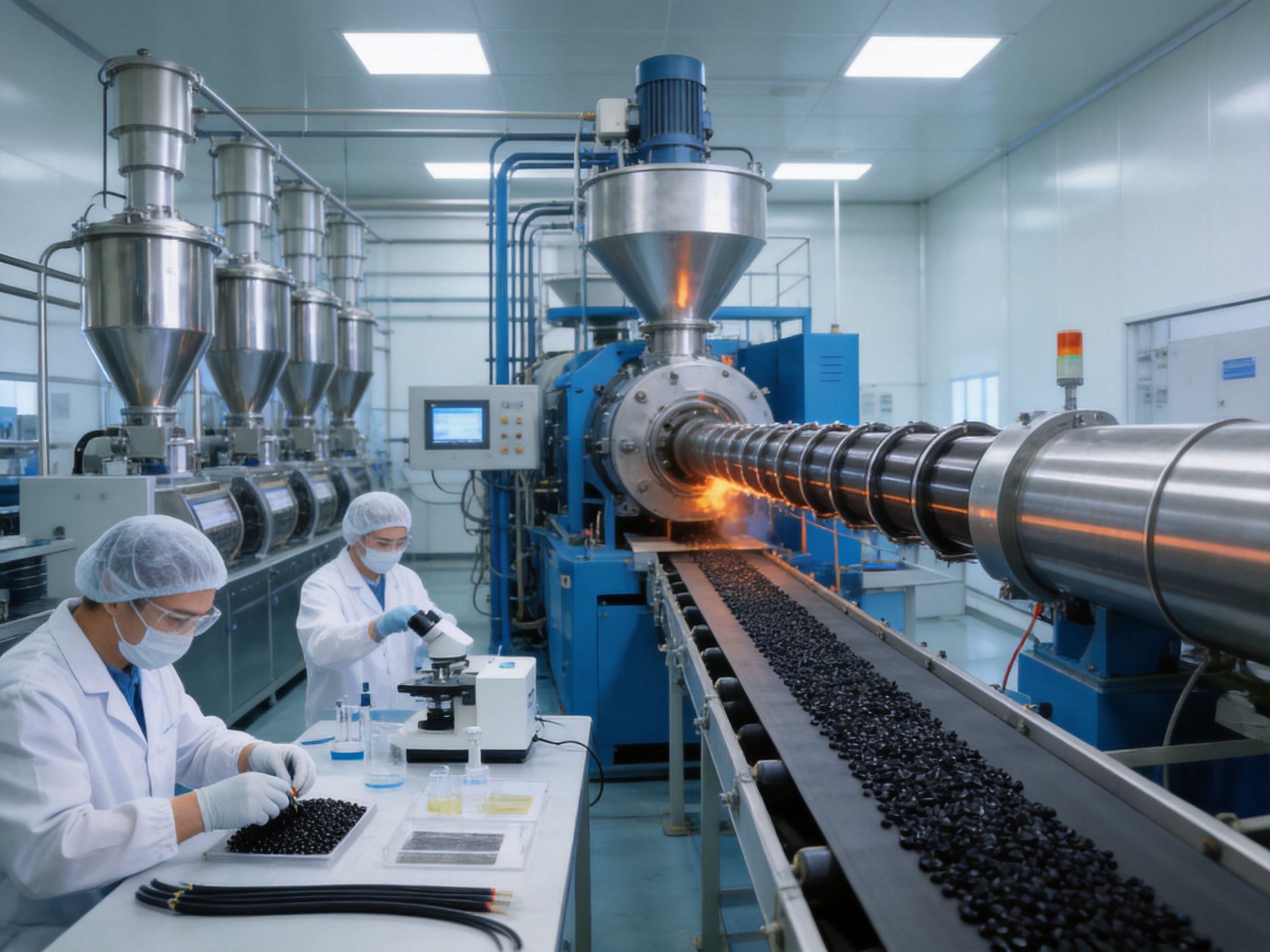
The manufacturing process begins with controlled preparation of polyolefin resin, flame-retardant components, synergists, carbonization agents, antioxidants, and processing additives. Raw-material selection and batching are important because small changes in additive concentration can affect melt viscosity, surface appearance, tensile properties, smoke generation, and flame performance.
Twin-screw compounding provides continuous mixing with controlled shear and thermal history. The intermeshing screws can convey, disperse, knead, and homogenize the formulation as it moves through the barrel. Proper screw configuration and temperature control are needed to achieve uniform additive distribution while avoiding excessive degradation of the polymer or additives.
Effective dispersion is particularly important in LSZH compounds because flame-retardant systems often contain a high proportion of inorganic or mineral components. Poor dispersion can create weak points, reduce elongation, cause surface defects, increase die pressure, and produce inconsistent flame performance. A stable twin-screw process helps create a more uniform compound for subsequent cable extrusion.
After compounding, the melt is cooled and granulated into pellets. Pellet consistency supports automated feeding, accurate dosing, and stable production on cable extrusion lines. Consistent granule size and moisture control can also improve feeding performance and reduce processing variation.
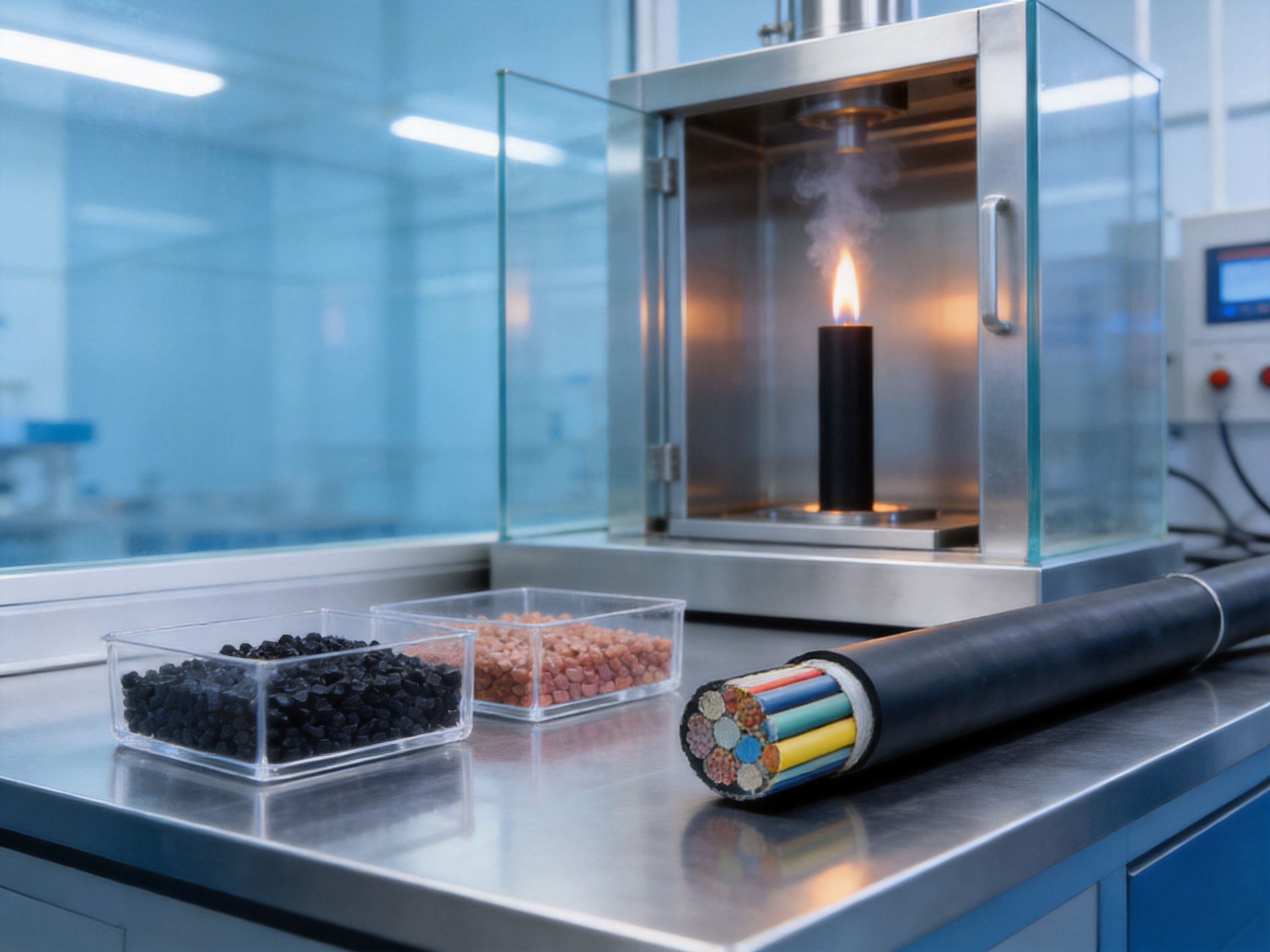
Manufacturing quality is supported by process monitoring and laboratory evaluation. Important control points can include raw-material identification, additive weighing, melt temperature, torque, pressure, throughput, pellet appearance, density, moisture, mechanical properties, and fire-related performance. For customers producing certified cables, traceability from raw materials through finished compound batches is an important part of supply reliability.
Research and Development Strengths
Jiangsu Duoshang New Materials Technology Co., Ltd. focuses on the research, development, production, and sales of polyolefin cable compounds. Its stated R&D center covers more than 3,000 square meters and is equipped with research equipment valued at more than RMB 35 million. The professional research team includes more than 30 members, including five doctors and personnel recognized through provincial and municipal talent programs.
This research structure supports more than routine manufacturing. It provides a foundation for formulation development, performance optimization, process troubleshooting, application testing, and customization. For cable compound customers, access to an experienced technical team can shorten development cycles and improve the ability to address difficult requirements such as higher flame classification, improved flexibility, enhanced low-temperature performance, or modified extrusion behavior.
The company operates two production bases covering more than 15,000 square meters and has more than 10 production lines for polyolefin cable compounds. This production network supports volume manufacturing and helps provide stable supply for customers requiring regular deliveries. Multiple lines may also support product segregation, scheduling flexibility, and the manufacture of different compound families.
The product portfolio includes UV-crosslinked compounds, silane cross-linkable materials, irradiation cross-linked compounds, thermoplastic low-smoke halogen-free flame-retardant compounds, polyethylene sheath compounds, and other specialized materials. This broad product coverage gives the company a wider technical perspective when developing a solution for a particular cable structure.
Application Areas
Power Cables
Power cables used in buildings, substations, industrial plants, and infrastructure projects can benefit from sheathing materials that limit flame spread and smoke generation. Low-smoke halogen-free compounds are suitable for applications where fire safety and equipment protection are priorities, provided that the complete cable construction meets the required electrical, mechanical, and fire standards.
Communication and Data Cables
Communication cables, optical-fiber cables, data cables, and structured cabling systems are often installed in large bundles and near sensitive electronic equipment. Smoke and corrosive gases can be particularly undesirable in server rooms, data centers, control rooms, and communication facilities. The compound’s low smoke, low-corrosiveness, and electrical-resistivity characteristics can support these applications.
Rail Transit and Locomotive Cables
Rail vehicles, stations, tunnels, and related infrastructure require careful control of fire behavior because evacuation may be difficult and passenger density can be high. LSZH sheathing materials are frequently considered for rail-related cable systems because they can help limit smoke and corrosive emissions. Final compliance depends on the relevant railway, vehicle, and national requirements.
Photovoltaic and New-Energy Systems
Photovoltaic installations, energy-storage facilities, wind-power systems, and other new-energy applications may place cables outdoors or in equipment areas with high thermal and environmental demands. Ozone resistance, low-temperature performance, thermal aging stability, and resistance to cracking can be useful characteristics. The selected grade should be evaluated against the required voltage rating, temperature rating, UV exposure, flexibility, and installation conditions.
Marine and Industrial Cables
Marine and industrial environments can combine moisture, temperature cycling, mechanical movement, ozone, confined spaces, and high consequences in the event of fire. The material’s resistance to cracking, low smoke performance, and low-corrosiveness characteristics can make it a candidate for suitable marine and industrial cable designs. Additional marine approvals or chemical-resistance requirements may apply.
Processing Considerations for Cable Manufacturers
Before production, cable manufacturers should confirm the grade, color, packaging, storage conditions, extrusion temperature profile, screw design, die configuration, and required surface finish. LSZH compounds can behave differently from ordinary polyethylene or PVC compounds because of their additive loading and melt rheology. A process developed for another material should not automatically be transferred without trial and adjustment.
Material storage should protect the pellets from contamination, moisture, excessive heat, and prolonged exposure to unsuitable conditions. The manufacturer should follow the supplier’s current technical data sheet and packaging instructions. If pre-drying is required or recommended, the drying temperature and time should be controlled to avoid oxidation, excessive moisture, or pellet deformation.
During extrusion, stable feeding is essential. Variations in feed rate can cause changes in sheath thickness, surface appearance, diameter, and flame performance. The extrusion line should be monitored for melt pressure, torque, temperature, cooling conditions, line speed, and haul-off stability. Good control of these factors helps maintain uniform cable geometry.
Die design and cooling are also important. Excessive shear can increase melt temperature and affect surface quality, while insufficient mixing or an unsuitable die may create visible defects. Cooling should be sufficient to stabilize the sheath without creating excessive internal stress. The final cable should be checked for concentricity, thickness, surface smoothness, adhesion where applicable, and mechanical performance.
Because fire classification is a property of the cable system, cable manufacturers should conduct the required tests on representative finished cables. Material-level oxygen index, smoke density, pH, conductivity, and halogen-related data are valuable for development and quality control, but the complete cable must satisfy the classification and certification requirements specified by the project or market.
Quality and Technical Support
Material selection is only one part of a successful cable project. Customers may also need technical data sheets, certificates, safety information, test reports, batch records, processing guidance, and application consultation. A compound supplier with in-house research and testing capabilities can help connect laboratory data with production-line needs.
Jiangsu Duoshang New Materials Technology Co., Ltd. states that it provides application-oriented solutions, research and testing support, technical documentation, stable supply capacity, and customized material solutions for customers worldwide. This type of support is valuable when a standard grade requires adjustment for a specific cable diameter, extrusion line, color, flexibility target, smoke requirement, or classification objective.
Customization should be managed through a controlled technical process. The customer and supplier should define the target standards, cable structure, processing equipment, service environment, required appearance, electrical properties, mechanical properties, and expected production volume. Laboratory development should then be followed by pilot extrusion and validation on representative cable constructions.
Reliable supply also depends on production planning, raw-material availability, batch consistency, packaging, shipping, and communication. The company’s two production bases and more than 10 polyolefin compound production lines provide an infrastructure intended to support continuity and volume requirements. As with all industrial materials, customers should confirm current capacity, lead times, quality agreements, and delivery terms directly with the supplier.
Selection Guide for Buyers
Buyers should begin by identifying the applicable fire classification and the governing standard. The supplied product information references GB 31247-2014 and EN 13501-6. However, the required classification may vary according to the country, building code, cable type, installation method, and project owner’s specification.
The next step is to define the cable construction. Important variables include conductor size, insulation material, number of cores, fillers, screens, armor, overall diameter, sheath thickness, cable weight, bending radius, and installation arrangement. These factors affect the amount of combustible material and the behavior of the cable during fire testing.
Mechanical requirements should then be considered. Tensile strength and elongation are essential, but they are not the only relevant properties. Buyers may also need abrasion resistance, tear resistance, flexibility, cold bending performance, thermal aging, ozone resistance, UV resistance, oil resistance, water resistance, and compatibility with other cable components.
Processing requirements must be reviewed at the same time. The selected grade should be compatible with the cable manufacturer’s extrusion equipment, screw configuration, die, cooling system, line speed, and quality-control methods. A technically suitable compound may require process optimization before full-scale production.
Finally, the buyer should request current technical documentation and representative samples. A sample trial can confirm surface quality, dimensional stability, extrusion pressure, mechanical properties, and finished-cable fire performance. This approach reduces the risk of selecting a material solely from a catalog value without confirming production behavior.
Environmental and Safety Considerations
Low-smoke halogen-free cable materials can contribute to a safer fire environment by reducing smoke and corrosive emissions. Their value is particularly clear in enclosed spaces where visibility, evacuation time, and protection of electronic systems are important. The use of such compounds can also support project objectives related to public safety and asset protection.
Environmental performance should be evaluated across the full product life cycle. This includes raw-material sourcing, manufacturing energy, transportation, installation, service life, and end-of-life treatment. The compound’s low-smoke and halogen-free characteristics address important fire-emission concerns, but customers should also evaluate recycling options, waste handling, and applicable chemical regulations.
Safety data should be reviewed before processing. Heating and extrusion can generate vapors, and operators should follow suitable ventilation, personal protective equipment, equipment guarding, and emergency procedures. The correct safety approach depends on the specific formulation and processing conditions. The supplier’s current safety documentation should be treated as the primary reference.
Frequently Asked Questions
What are B1 and B2 LSZH cable materials?
B1 and B2 LSZH cable materials are low-smoke halogen-free compounds designed for cable sheathing applications requiring enhanced flame performance and reduced smoke and corrosive emissions. The described products are polyolefin-based and contain flame retardants, synergists, carbonization agents, antioxidants, and processing additives.
What is the difference between the listed grades?
The listed grades are DS-WDZH-B1, DS-WDZH-X-B1, DS-WDZH-W-B1, and DS-WDZH-B2. Their mechanical properties are similar in the supplied typical data, while density, oxygen index, and smoke values vary. The appropriate grade should be selected according to the cable design, processing conditions, required classification, and customer specification.
Are these materials suitable for all cables?
No single compound is automatically suitable for every cable. The materials are intended for various cable specifications, but the final selection must consider voltage, temperature, flexibility, environmental exposure, cable geometry, installation conditions, and required certification. Finished-cable testing is necessary for final validation.
Do the materials contain halogens?
The product is described as low-smoke halogen-free, and the supplied data list HCl and HBr content below 0.5%. Customers should obtain the current composition statement, test report, and regulatory documentation for the specific grade being purchased.
How does the material reduce smoke?
The formulation uses a coordinated flame-retardant system, synergists, carbonization agents, and a polyolefin matrix. These components can promote protective char formation, reduce the release of combustible decomposition products, and limit smoke generation during relevant test conditions.
What are the reported oxygen index values?
The typical oxygen index values are 38% for DS-WDZH-B1, 40% for DS-WDZH-X-B1, 42% for DS-WDZH-W-B1, and 38% for DS-WDZH-B2. The stated requirement is at least 30%.
Do the materials resist cracking at low temperature?
All four listed grades pass the reported low-temperature brittleness test at -25°C. They also show no cracking in the supplied thermal shock and ozone resistance results. Actual cold-weather performance should be confirmed against the finished cable and service environment.
What manufacturing process is used?
The formulation is mixed and granulated using a twin-screw compounding process. Twin-screw equipment supports controlled conveying, melting, dispersion, homogenization, and pelletizing. Process control is important for uniform additive distribution and consistent cable extrusion performance.
Can the material be customized?
The supplier states that it provides customized material solutions. Customization may address flame performance, smoke behavior, mechanical properties, color, flexibility, processing conditions, or specific cable structures. A customized grade should be developed through technical review, laboratory testing, pilot production, and finished-cable validation.
Does a high oxygen index guarantee a B1 or B2 cable classification?
No. Oxygen index is an important material property, but it does not by itself guarantee the classification of a complete cable. Final classification depends on the complete cable construction and the applicable fire test. Cable manufacturers should perform the required testing on representative finished products.
What industries can use these compounds?
Potential application areas include power, communications, optical fiber, data infrastructure, rail transit, locomotives, photovoltaic systems, new-energy generation, marine cables, industrial systems, public buildings, and other installations where low smoke and reduced corrosiveness are important.
How should customers verify product quality?
Customers should request the current technical data sheet, certificate of analysis, relevant test reports, safety documentation, batch information, and sample material. They should also conduct extrusion trials and finished-cable testing under their own production conditions before approving the material for regular use.
Conclusion
B1 and B2 low-smoke halogen-free sheathing materials provide a balanced approach to cable safety and performance. The described polyolefin compounds combine high flame retardancy, reduced smoke density, low HCl and HBr content, low conductivity, thermal aging stability, low thermal deformation, ozone resistance, low-temperature performance, and practical mechanical strength and elongation.
The reported typical values show oxygen index results of up to 42%, flaming smoke density as low as 62, flameless smoke density as low as 198, tensile strength of approximately 12 MPa, elongation of approximately 170%, and no cracking in the stated thermal shock and ozone tests. These characteristics create a strong technical foundation for cables used in demanding safety-critical environments.
The product’s value is further supported by the supplier’s focus on polyolefin cable compounds, research investment, professional technical personnel, multiple production bases, more than 10 production lines, and a broad portfolio of specialized cable materials. This combination of formulation expertise, twin-screw manufacturing, testing support, and customization capability can help cable manufacturers develop reliable products for domestic and international markets.
For the best result, material selection should always be connected with cable design, extrusion conditions, quality control, and complete-cable fire testing. When these elements are managed together, B1 and B2 LSZH compounds can support safer, more durable, and more technically competitive cable systems.
References
GB 31247-2014, Classification for Burning Behavior of Cables and Optical Fiber Cables.
EN 13501-6, Fire Classification of Construction Products and Building Elements—Classification Using Data from Reaction to Fire Tests on Power, Control and Communication Cables.
Supplier technical information for B1 and B2 low-smoke halogen-free sheathing materials, including typical mechanical, thermal, electrical, smoke, and combustion-related data.
Product formulation information for polyolefin resin, flame retardants, flame-retardant synergists, carbonization agents, antioxidants, and processing additives.
Company technical and manufacturing information concerning polyolefin cable compounds, research facilities, production bases, product categories, and application support.
General principles of polymer cable-compound formulation, twin-screw extrusion, flame-retardant mechanisms, smoke suppression, and low-smoke halogen-free cable design.