English
 Français
 Español
 русский
 عربى
Green Ohm
Green Ohm
Green Ohm
Green Ohm
Green Ohm
Green Ohm
Green Ohm
Green Ohm
Green Ohm
Content
- 1 Why Photovoltaic Cables Require Advanced Compound Technology
- 2 Product Overview
- 3 Electron Accelerator Irradiation Crosslinking Process
- 4 Thermal Performance for Long-Life Solar Installations
- 5 Low-Temperature Flexibility and Environmental Durability
- 6 Mechanical Strength and Flexibility
- 7 Electrical Insulation Performance
- 8 Low-Smoke, Halogen-Free Flame-Retardant Safety
- 9 Representative Technical Performance
- 10 Advantages Compared with Alternative Cable Materials
- 11 Manufacturing Strengths and Technical Resources
- 12 Quality Control from Formulation to Finished Cable
- 13 Processing and Application Recommendations
- 14 Applications in Photovoltaic and New Energy Systems
- 15 Customization and Supply Capabilities
- 16 How to Select the Most Suitable Grade
- 17 Q&A
- 17.1 What is the main purpose of this material?
- 17.2 What does irradiation crosslinking do?
- 17.3 Can the material be used outdoors?
- 17.4 What is the low-temperature performance?
- 17.5 Is the material halogen-free?
- 17.6 What tensile strength and elongation are reported?
- 17.7 What electrical properties are available?
- 17.8 How should customers choose between the four grades?
- 17.9 Does the product require moisture curing?
- 17.10 Can the supplier provide customized materials?
- 17.11 What information should be provided when requesting a quotation?
- 18 Conclusion
- 19 References
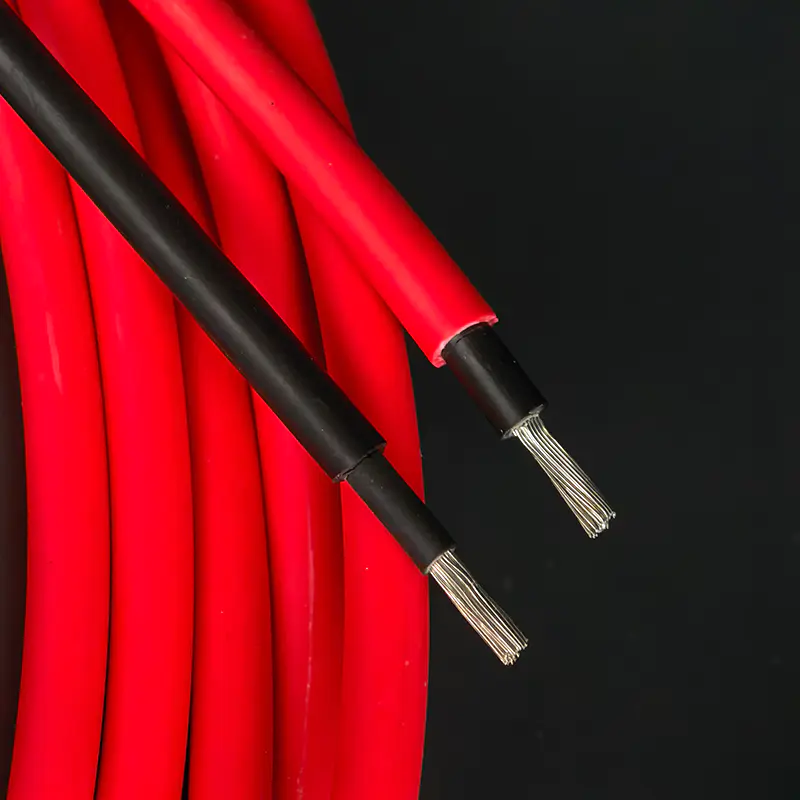
- 20 Product: 125°C Accelerator Irradiation Cross-linked LSZH Flame Retardant Insulation and Sheathing Material for Photovoltaics
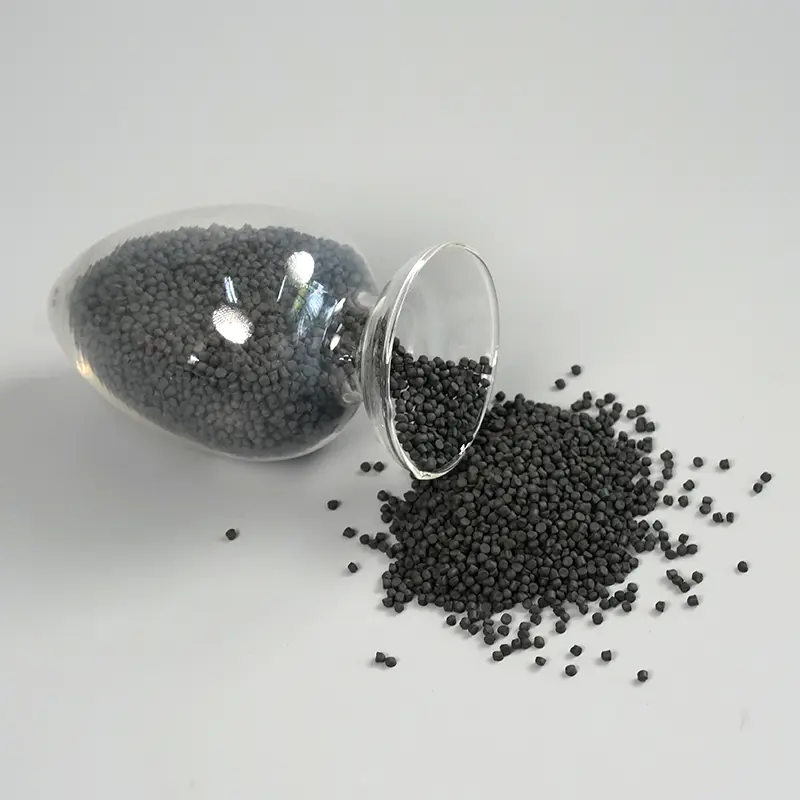
Photovoltaic power systems are expected to operate reliably for decades while being exposed to sunlight, temperature fluctuations, moisture, wind, dust, chemicals, and mechanical stress. Every cable installed in a solar power plant must therefore maintain its electrical insulation, mechanical integrity, and flame-retardant performance throughout a demanding service life. The selection of a suitable cable compound is one of the most important decisions in photovoltaic cable design because the compound directly influences safety, durability, installation efficiency, and long-term maintenance requirements.
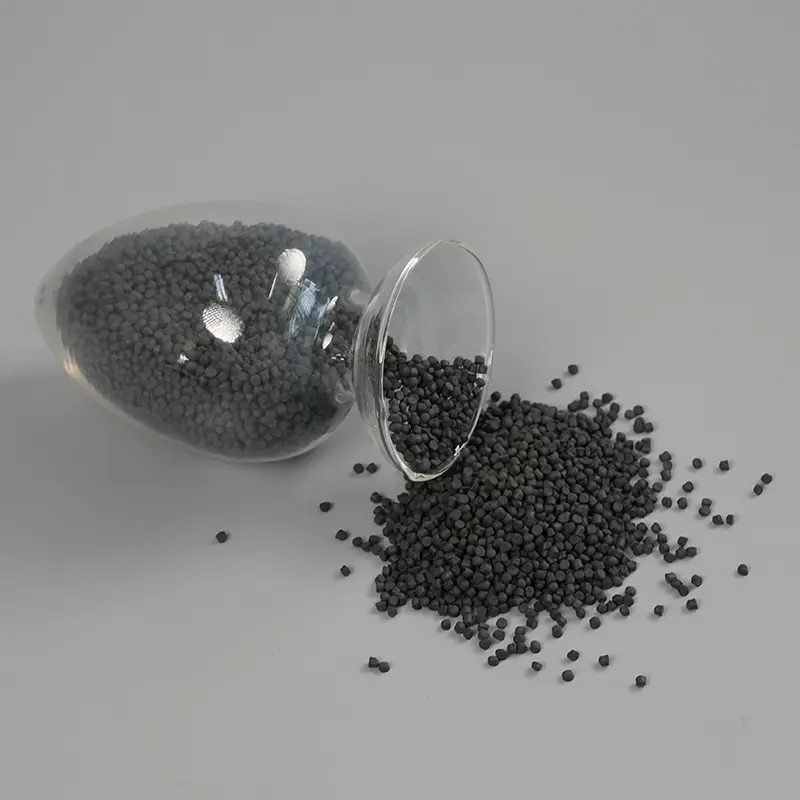
The 125°C accelerator irradiation cross-linked low-smoke, zero-halogen flame-retardant insulation and sheathing material developed for photovoltaic applications is designed to meet these challenges. Through electron accelerator irradiation crosslinking, the material forms a stable three-dimensional molecular network. This structure improves the compound’s resistance to heat, deformation, environmental aging, and mechanical damage compared with many conventional thermoplastic cable materials.
The product is intended for insulation and sheath applications in photovoltaic cables and other demanding low-voltage cable systems. It combines a temperature resistance level of up to 125°C with low-temperature brittleness below -40°C. It also provides strong resistance to ultraviolet radiation, ozone, acids, alkalis, and outdoor aging. Under suitable cable construction, installation, and operating conditions, the material is designed to support an outdoor service life of up to 25 years.
In addition to its durability, the compound provides the safety advantages associated with low-smoke, halogen-free, flame-retardant technology. When exposed to fire, it is designed to reduce the release of corrosive halogen-containing gases and limit smoke generation compared with halogen-containing cable materials. This makes it suitable for photovoltaic facilities, distributed rooftop systems, energy-storage environments, public infrastructure, and other installations where fire safety and environmental responsibility are essential.
125°C Accelerator Irradiation Cross-linked LSZH Flame Retardant Insulation and Sheathing Material for Photovoltaics
Why Photovoltaic Cables Require Advanced Compound Technology
Photovoltaic cables operate in conditions that are more severe than those encountered by many indoor or protected electrical cables. Cables may be installed on rooftops, across open fields, along tracking systems, on building façades, or close to inverters and junction boxes. In each location, they can experience direct solar radiation, repeated heating and cooling, wind-induced movement, moisture, condensation, and contact with construction materials or cleaning chemicals.
Daily thermal cycling causes repeated expansion and contraction of the cable insulation and sheath. Seasonal temperature changes intensify this effect. In cold regions, the cable may be exposed to temperatures below freezing, while in direct sunlight the outer surface can become substantially hotter than the surrounding air. A compound that becomes brittle at low temperature or softens excessively at high temperature may develop cracks, permanent deformation, surface damage, or reduced insulation reliability.
Ultraviolet radiation is another major concern. Long-term exposure can initiate molecular degradation, discoloration, embrittlement, and loss of tensile properties. Ozone and atmospheric pollutants may further accelerate surface aging, particularly near electrical equipment where ozone can be generated. Water, humidity, salt, acidic pollutants, alkaline dust, and agricultural chemicals can also affect cable surfaces over time.
Photovoltaic cables may be bent repeatedly during installation or while modules move on tracking structures. They can also be exposed to vibration, abrasion, accidental pulling, and localized pressure. A suitable cable compound must therefore provide a balance of tensile strength, elongation, flexibility, heat resistance, low-temperature performance, and dimensional stability.
Fire safety is equally important. A photovoltaic installation may cover a large building roof or occupy an extensive outdoor area. If a cable fire occurs, flame propagation and smoke can affect equipment, evacuation routes, maintenance personnel, and nearby structures. Low-smoke, halogen-free flame-retardant materials help address these risks by combining flame resistance with reduced corrosive emissions and improved environmental performance.
Product Overview
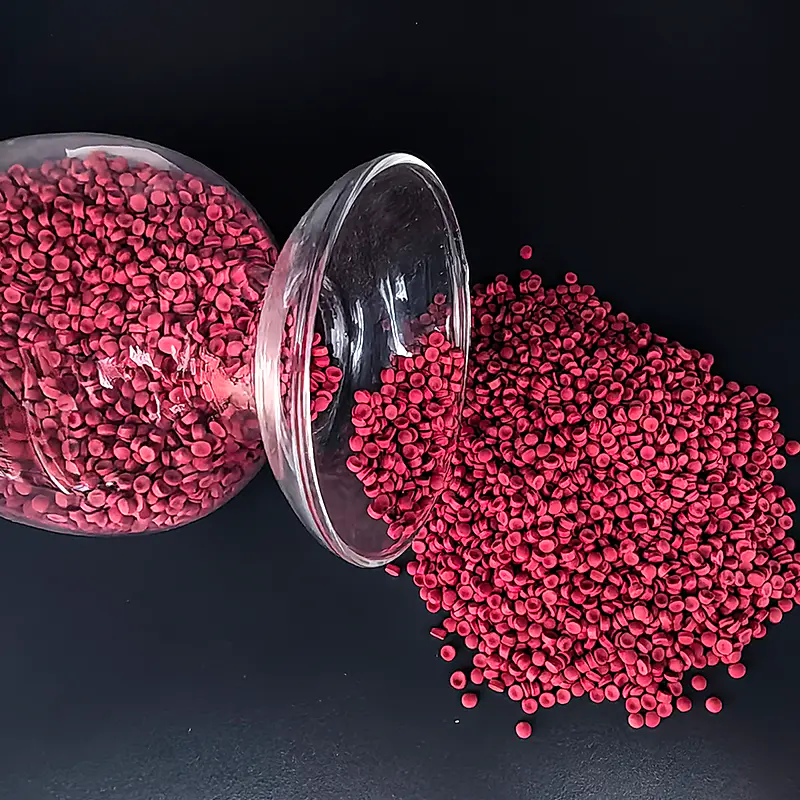
The 125°C accelerator irradiation cross-linked LSZH compound is a specialized polyolefin-based material for photovoltaic cable insulation and sheathing. It is available in insulation and sheath formulations identified in the supplied performance data as DS-GFJ-125, DS-GFH-125, DS-ENJ-125, and DS-ENH-125. The different grades can be selected according to cable construction, processing requirements, electrical performance, mechanical requirements, and application position.
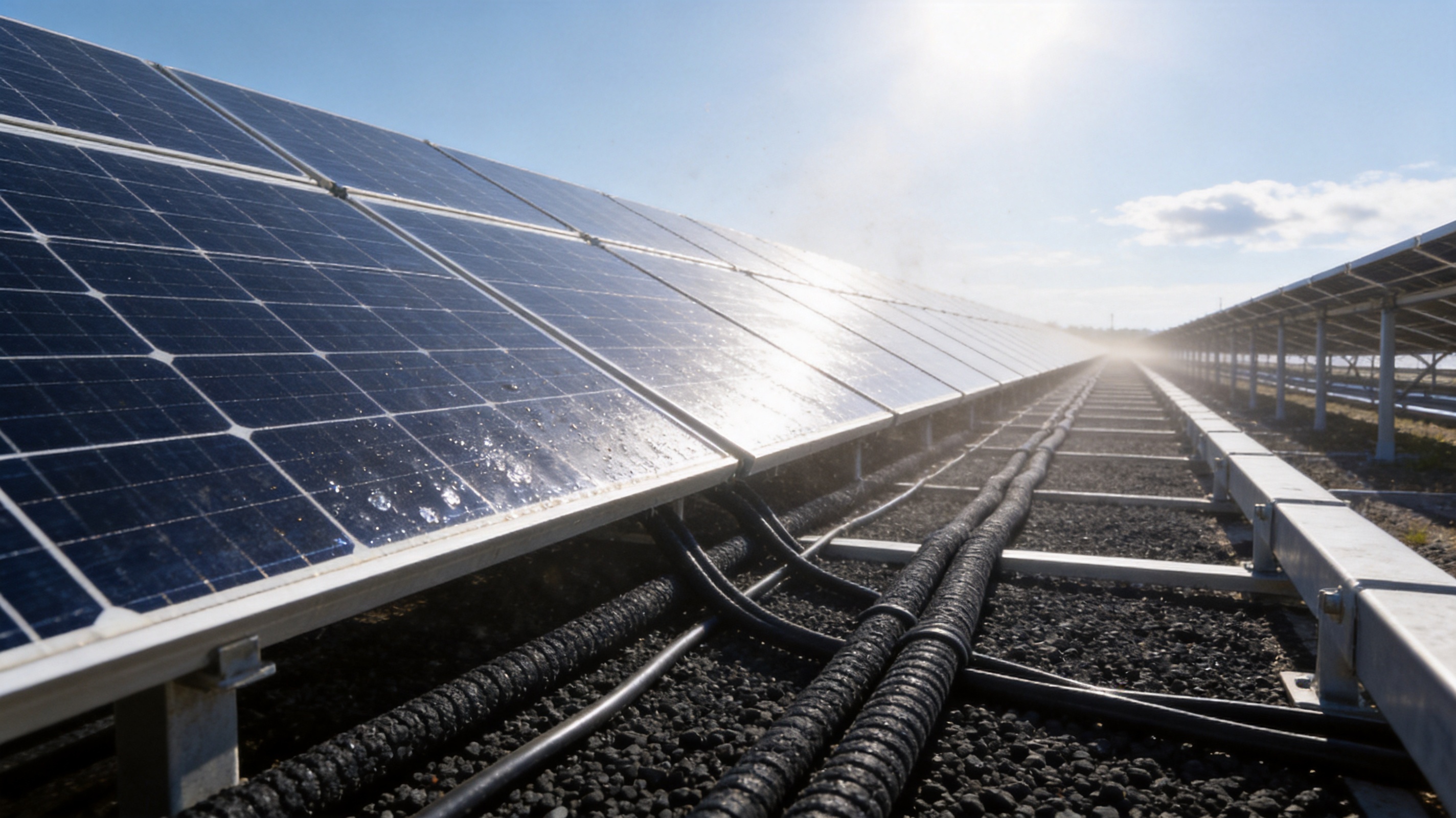
The product is manufactured as a low-smoke, halogen-free, flame-retardant compound. It is designed for extrusion onto conductors or cable cores before the completed cable undergoes electron accelerator irradiation. During irradiation, the polymer chains form crosslinks and develop a three-dimensional network structure. This changes the behavior of the material from that of a conventional melt-processable thermoplastic into a more heat-stable cross-linked insulation or sheath system.
The material’s principal performance features include a maximum temperature resistance level of 125°C, low-temperature brittleness below -40°C, high tensile strength, good elongation, strong electrical insulation, low smoke behavior, halogen-free composition, and resistance to outdoor environmental exposure. These characteristics make the product especially suitable for long-life photovoltaic cables used in fixed installations and dynamic solar tracking systems.
Because irradiation crosslinking is performed after extrusion, the compound can be processed using established cable manufacturing equipment and then upgraded through a controlled post-extrusion crosslinking stage. This approach provides cable manufacturers with flexibility in production while allowing the final cable to obtain the thermal and mechanical advantages associated with cross-linked materials.
Electron Accelerator Irradiation Crosslinking Process
Formation of a Stable Three-Dimensional Network
In an ordinary thermoplastic polymer, the molecular chains are primarily held together by physical interactions. When the temperature rises, the chains can move more freely, causing the material to soften and deform. In an irradiation-crosslinked compound, high-energy electron beams create active sites along the polymer chains. These active sites connect neighboring chains and form a network of chemical crosslinks.
The resulting three-dimensional network improves dimensional stability under heat. It also reduces the tendency of the material to flow when exposed to elevated temperatures or mechanical load. This is especially valuable in photovoltaic cables because the cable may remain under tension, compression, bending, or contact pressure while operating at high temperature.
The irradiation process must be controlled carefully. Important factors include the electron-beam energy, absorbed dose, line speed, cable diameter, material formulation, and cable geometry. Consistent processing helps ensure that the insulation or sheath receives an appropriate and uniform dose. Under-crosslinking may lead to insufficient heat deformation resistance, while excessive irradiation may affect flexibility or other properties.
Advantages over Conventional Thermoplastic Materials
Compared with a conventional non-crosslinked thermoplastic compound, an irradiation-crosslinked material generally offers improved resistance to thermal deformation and better retention of mechanical properties at elevated temperature. The crosslinked network can also improve resistance to stress cracking, environmental aging, and repeated thermal cycling.
Compared with some chemically cross-linked systems, electron accelerator crosslinking can provide a clean and controllable post-extrusion process without requiring a chemical crosslinking catalyst to be distributed throughout the cable during production. The process is fast, does not depend on steam curing, and can be integrated into a modern cable manufacturing line. It also avoids the need for a long moisture-curing period associated with certain silane-crosslinkable technologies.
The use of irradiation crosslinking is particularly beneficial for photovoltaic cable production because manufacturers can extrude the material at high speed and then apply crosslinking under controlled industrial conditions. This supports stable product quality, efficient production scheduling, and consistent performance between production batches.
Thermal Performance for Long-Life Solar Installations
The product is designed for a temperature resistance level of up to 125°C. This rating provides a substantial operating margin for photovoltaic cables exposed to intense sunlight and high ambient temperatures. A high temperature resistance level helps the cable maintain its insulation properties and mechanical structure when installed close to solar modules, rooftops, inverters, or other heat-generating equipment.
High-temperature performance is not limited to the ability to withstand a short-term temperature peak. A cable compound must also retain its strength, elongation, dielectric behavior, and resistance to deformation during prolonged exposure. The irradiation-crosslinked network helps maintain these properties by restricting molecular movement at elevated temperature.
The supplied performance information includes elevated-temperature testing at 158°C for selected mechanical change-rate evaluations. Typical tensile-strength change rates are reported in the range of approximately +6% to +12%, while the reported maximum changes in elongation after 168 hours are approximately -8% to -15%, depending on grade. These values indicate that the tested formulations can retain a stable mechanical profile under demanding thermal exposure. Final cable qualification should always be completed according to the customer’s applicable standard and test program.
Thermal elongation performance is also important. The supplied data report heat elongation values of approximately 50% to 55% and permanent deformation after cooling of 0% to 5% for the listed grades, against a stated maximum permanent deformation requirement of 25%. Low permanent deformation helps the insulation and sheath maintain their original dimensions after exposure to heat, reducing the possibility of conductor exposure, wall-thickness reduction, or poor interface stability.
For system designers, these characteristics can support the selection of smaller, lighter, and more durable cable constructions where appropriate. The actual conductor size and cable design must still be determined according to current-carrying capacity, voltage drop, installation method, short-circuit conditions, ambient temperature, and applicable photovoltaic cable standards.
Low-Temperature Flexibility and Environmental Durability
Photovoltaic cables may be installed in regions with severe winter conditions or exposed to cold nighttime temperatures at high elevations. A cable compound that becomes brittle at low temperature may crack when bent during installation or when subjected to vibration and thermal contraction. The product is designed to achieve a low-temperature brittleness temperature below -40°C, providing improved flexibility and resistance to cold-weather damage.
Low-temperature flexibility is particularly valuable during winter construction, maintenance, and replacement work. Cables are easier to handle when they remain flexible, reducing the risk of sharp bending, surface cracking, or excessive installation force. Once installed, the material’s low-temperature performance helps preserve the integrity of the cable during seasonal temperature cycles.
The material is also designed for strong resistance to ultraviolet radiation. UV resistance helps reduce the rate of surface degradation caused by prolonged sunlight exposure. This is essential for cables placed directly beneath photovoltaic modules, routed between module rows, or installed on exposed rooftops.
Ozone resistance provides additional protection in outdoor and electrical-equipment environments. Ozone can attack susceptible polymer structures and cause surface cracking over time. A compound that resists ozone aging is better suited to long-term service near inverters, switchgear, transformers, and other equipment where electrical discharges may occur.
Acid and alkali resistance further broadens the material’s suitability. Photovoltaic installations may be exposed to acidic rain, industrial pollutants, alkaline dust, cleaning agents, cement residues, agricultural chemicals, or saline environments. Although cable design and installation should prevent prolonged chemical contact wherever possible, the compound’s chemical resistance provides an additional layer of protection against environmental damage.
Mechanical Strength and Flexibility
The listed grades demonstrate typical tensile strengths from approximately 12.5 MPa to 13.5 MPa, compared with a stated minimum standard value of 10.0 MPa. Typical elongation at break ranges from approximately 170% to 280%, with a stated minimum requirement of 150%.
Tensile strength helps the insulation and sheath resist pulling, abrasion, and mechanical damage. High elongation at break indicates that the material can accommodate bending and deformation before rupture. The combination is important because a cable compound that is strong but excessively rigid may be difficult to install, while a very flexible material with insufficient strength may be vulnerable to tearing or permanent damage.
For photovoltaic applications, flexibility supports routing around module frames, cable clips, junction boxes, conduits, and support structures. It also helps accommodate the movement of solar trackers. Mechanical strength supports installation reliability, resistance to vibration, and long-term protection against minor impacts and surface stress.
The crosslinked structure contributes to dimensional stability while the polyolefin-based formulation supports practical processing and flexibility. This balance differentiates the material from some highly filled flame-retardant compounds that may be difficult to bend or may show reduced elongation. The most suitable grade can be selected according to whether the cable requires a softer insulation formulation, a more robust sheath formulation, or a specific combination of electrical and mechanical properties.
Electrical Insulation Performance
Reliable insulation is essential for photovoltaic systems because cables may operate continuously in humid, hot, and electrically demanding environments. The supplied data report volume resistivity at 20°C in the approximate range of 4.5 × 10¹³ to 5.0 × 10¹⁵ Ω·cm for the listed formulations. These values are above the stated standard level of 1.0 × 10¹³ Ω·cm.
The reported dielectric strength is approximately 32 to 40 MV/m, compared with a stated minimum standard value of 20 MV/m. High dielectric strength helps the insulation withstand electrical stress and reduces the probability of insulation breakdown when the cable is correctly designed and installed.
Good electrical insulation performance must be maintained after exposure to heat, moisture, ultraviolet radiation, mechanical stress, and aging. The material’s crosslinked network and environmental resistance are intended to support stable electrical performance throughout the service life of the cable.
Photovoltaic cable manufacturers should nevertheless evaluate the complete cable, not only the compound. Conductor geometry, insulation thickness, extrusion quality, interface adhesion, void control, irradiation dose, and terminal preparation all affect final electrical reliability. The material provides a strong foundation, but production control and cable system design remain essential.
Low-Smoke, Halogen-Free Flame-Retardant Safety
The LSZH formulation is designed to limit smoke and eliminate halogen-containing ingredients as a principal flame-retardant approach. In a fire, conventional halogen-containing materials can release acidic and corrosive gases. These gases may damage metal equipment, affect electronic systems, and create additional hazards for people in enclosed or partially enclosed areas.
Low-smoke, halogen-free technology is especially valuable in buildings with rooftop photovoltaic arrays, battery rooms, inverter stations, public facilities, transit infrastructure, and industrial plants. Reducing smoke and corrosive emissions can improve visibility during evacuation, help protect sensitive electrical equipment, and support safer emergency response.
Flame retardancy is achieved through a carefully balanced formulation rather than by relying solely on a single additive. The compound must maintain flame resistance while also preserving tensile strength, elongation, flexibility, processability, and electrical insulation. Excessive flame-retardant filler can increase density, reduce flexibility, and complicate extrusion. The listed specific gravity values, approximately 1.29 to 1.45 g/cm³ depending on grade, reflect the formulation differences required to balance these properties.
In practice, flame performance depends on the complete cable construction, including conductor size, insulation thickness, sheath design, spacing, and installation arrangement. Customers should confirm the required flame-retardant classification and test method before placing a production order.
Representative Technical Performance
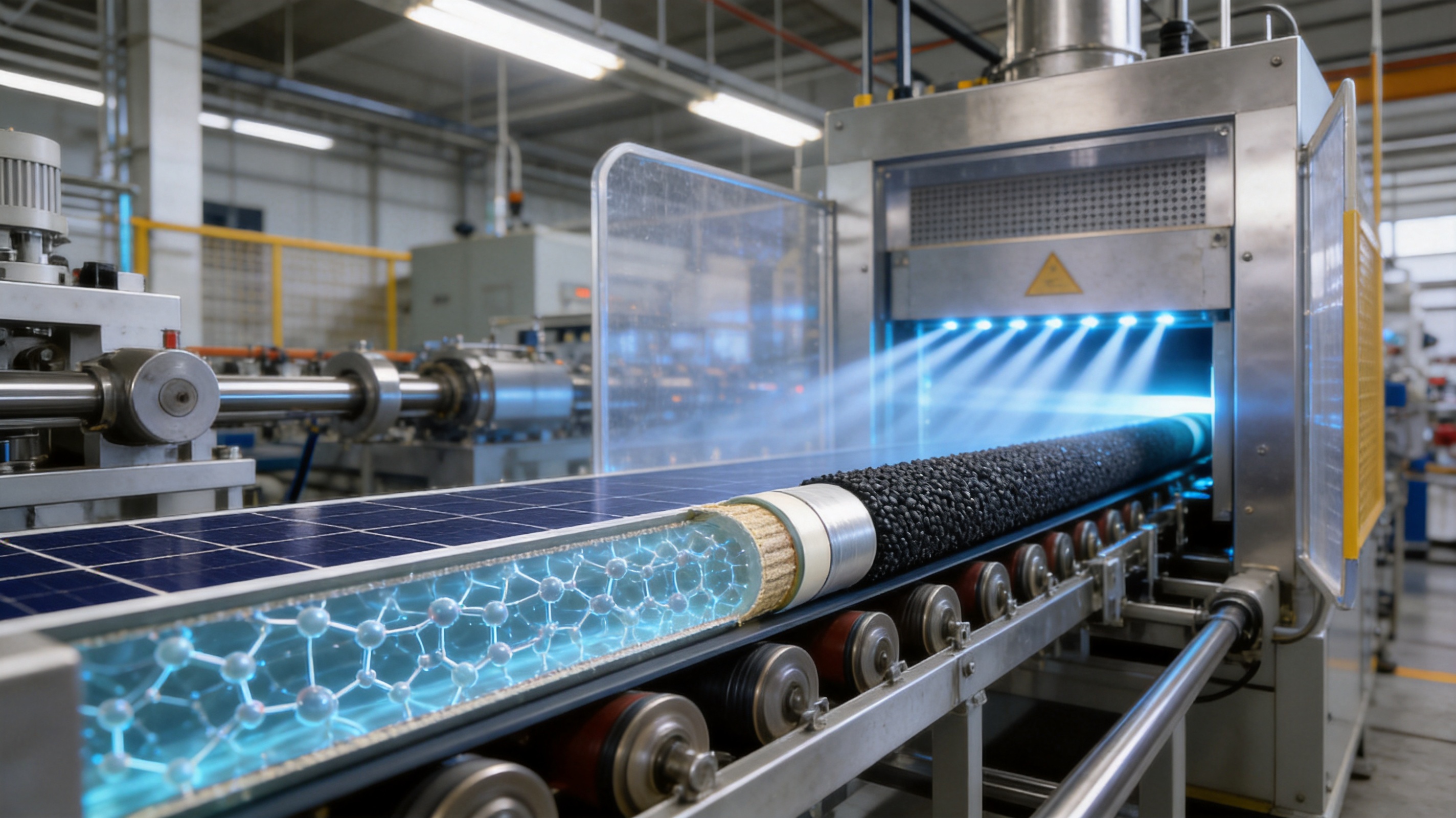
The following table summarizes the principal values supplied for the four identified grades. Values marked as typical are representative results rather than universal guarantees. Actual performance may vary according to production batch, test method, specimen preparation, irradiation dose, and cable construction.
| Test Item | Unit | Standard or Requirement | DS-GFJ-125 | DS-GFH-125 | DS-ENJ-125 | DS-ENH-125 |
|---|---|---|---|---|---|---|
| Specific Gravity | g/cm³ | Reference value | 1.29 | 1.42 | 1.35 | 1.45 |
| Tensile Strength | MPa | ≥10.0 | 13.0 | 12.5 | 13.5 | 12.8 |
| Elongation at Break | % | ≥150 | 280 | 180 | 240 | 170 |
| Tensile Strength Change Rate | % | Reported reference: ≥26 | 26 | 32 | 28 | 35 |
| Heat Elongation | % | ≤100 | 55 | 55 | 50 | 50 |
| Permanent Deformation after Cooling | % | ≤25 | 5 | 5 | 0 | 0 |
| Volume Resistivity at 20°C | Ω·cm | 1.0 × 10¹³ | 4.5 × 10¹⁵ | 6.8 × 10¹³ | 5.0 × 10¹⁵ | 7.2 × 10¹³ |
| Dielectric Strength | MV/m | ≥20 | 40 | 32 | 40 | 32 |
| Low-Temperature Impact or Brittleness Test | °C | -40 | Pass | Pass | Pass | Pass |
| pH Value | — | ≥4.3 | 5.0 | 5.1 | 5.0 | 5.2 |
| Conductivity | μS/mm | ≤10 | 0.5 | 0.7 | 0.5 | 0.6 |
The data demonstrate the product’s broad performance balance. The insulation-oriented formulations show high elongation and electrical resistivity, while the sheath-oriented formulations provide suitable tensile strength, low-temperature performance, flame-retardant characteristics, and environmental stability. Final material selection should be based on the cable manufacturer’s extrusion equipment, target cable standard, required wall thickness, application environment, and desired handling characteristics.
Advantages Compared with Alternative Cable Materials
Compared with Halogen-Containing Flame-Retardant Materials
The most important advantage over halogen-containing flame-retardant compounds is the low-smoke, halogen-free safety profile. Halogen-containing materials may provide strong flame resistance, but they can release corrosive gases and dense smoke during combustion. The LSZH formulation is intended to reduce these hazards while maintaining suitable mechanical and electrical performance.
This advantage is relevant where photovoltaic cables pass through buildings, equipment rooms, tunnels, stations, warehouses, or other areas where smoke and corrosive emissions are unacceptable. It can also support sustainability goals and customer requirements for environmentally responsible materials.
Compared with Non-Crosslinked Thermoplastics
Compared with non-crosslinked thermoplastics, the irradiation-crosslinked material provides improved resistance to heat deformation and long-term thermal aging. The crosslinked network helps the cable maintain its shape and mechanical properties under elevated temperature and load.
This can reduce the risk of insulation shrinkage, sheath deformation, and property loss during years of thermal cycling. It is especially useful in solar installations where cables may run close to hot module surfaces or power conversion equipment.
Compared with Silane-Crosslinkable Materials
Silane-crosslinkable materials can require moisture curing after extrusion. The curing period may depend on temperature, humidity, cable dimensions, and storage conditions. Irradiation crosslinking, by contrast, is performed using an electron accelerator with controlled dose and processing parameters. This can shorten the time between extrusion and final quality verification.
The irradiation route also avoids dependence on moisture penetration for crosslinking. This can be beneficial for thick cables, specialized sheath structures, or production environments where curing conditions are variable.
Compared with Highly Rigid Flame-Retardant Compounds
Some heavily filled flame-retardant compounds can be difficult to bend and may show lower elongation. The product described here is designed to maintain a useful balance between flame retardancy, tensile strength, elongation, flexibility, and electrical performance. This balance can improve installation efficiency and reduce mechanical stress during routing.
Manufacturing Strengths and Technical Resources
The material is produced by Jiangsu Duoshang New Materials Technology Co., Ltd., a company specializing in the research, development, production, and sales of polyolefin cable compounds. The company is located in Nantong City, Jiangsu Province, China, and serves applications in power, communications, locomotives, photovoltaics, new energy generation, rail transit, marine cables, and other industries.
The company operates an R&D center of more than 3,000 square meters. Its research facilities represent an investment of more than RMB 35 million in equipment and technical resources. The R&D team includes more than 30 professionals, including five doctors and personnel recognized through provincial and municipal talent programs.
This technical structure supports formulation development, process optimization, testing, customer-specific customization, and failure analysis. For a specialized cable compound, these capabilities are important because different cable manufacturers may require different melt flow behavior, color, hardness, extrusion speed, flame performance, electrical properties, or irradiation response.
The company operates two production bases covering more than 15,000 square meters and has more than 10 polyolefin cable compound production lines. Its product portfolio includes UV-crosslinked compounds, silane cross-linkable compounds, irradiation-crosslinked compounds, thermoplastic low-smoke halogen-free flame-retardant compounds, polyethylene sheath compounds, and other specialized materials.
A broad product portfolio enables the company to compare different crosslinking technologies and polymer systems. This is useful when a customer requires a complete cable material solution rather than a single isolated product. The supplier can help evaluate whether irradiation crosslinking, silane crosslinking, UV crosslinking, or thermoplastic processing is most appropriate for the application.
Quality Control from Formulation to Finished Cable
Reliable cable compound production begins with raw material control. Polymer selection, flame-retardant components, stabilizers, processing aids, pigments, and other ingredients must be weighed and blended consistently. Variations in additive dispersion can affect mechanical strength, electrical insulation, flame behavior, surface quality, and irradiation response.
Compounding must be controlled through appropriate mixing temperature, residence time, shear, cooling, pelletizing, and packaging conditions. Good dispersion helps prevent weak points, surface defects, die buildup, and inconsistent extrusion. Pellet size and moisture control also support stable feeding during cable production.
During extrusion, the cable manufacturer must control conductor preheating, melt temperature, die design, line speed, concentricity, wall thickness, cooling, and surface condition. These parameters influence the final cable as much as the compound itself. After extrusion, the irradiation process must be verified through dose control and product testing.
Typical evaluation may include tensile strength, elongation, heat aging, heat deformation, low-temperature impact, volume resistivity, dielectric strength, pH, conductivity, flame performance, smoke generation, and visual inspection. Testing should be performed according to the intended cable standard and the purchaser’s technical specification.
The supplier’s R&D and testing support can help customers establish processing windows, select suitable grades, and investigate production issues. Application-oriented support is particularly valuable when a material must be adapted to a new conductor size, a new extrusion line, a different sheath thickness, or a special environmental requirement.
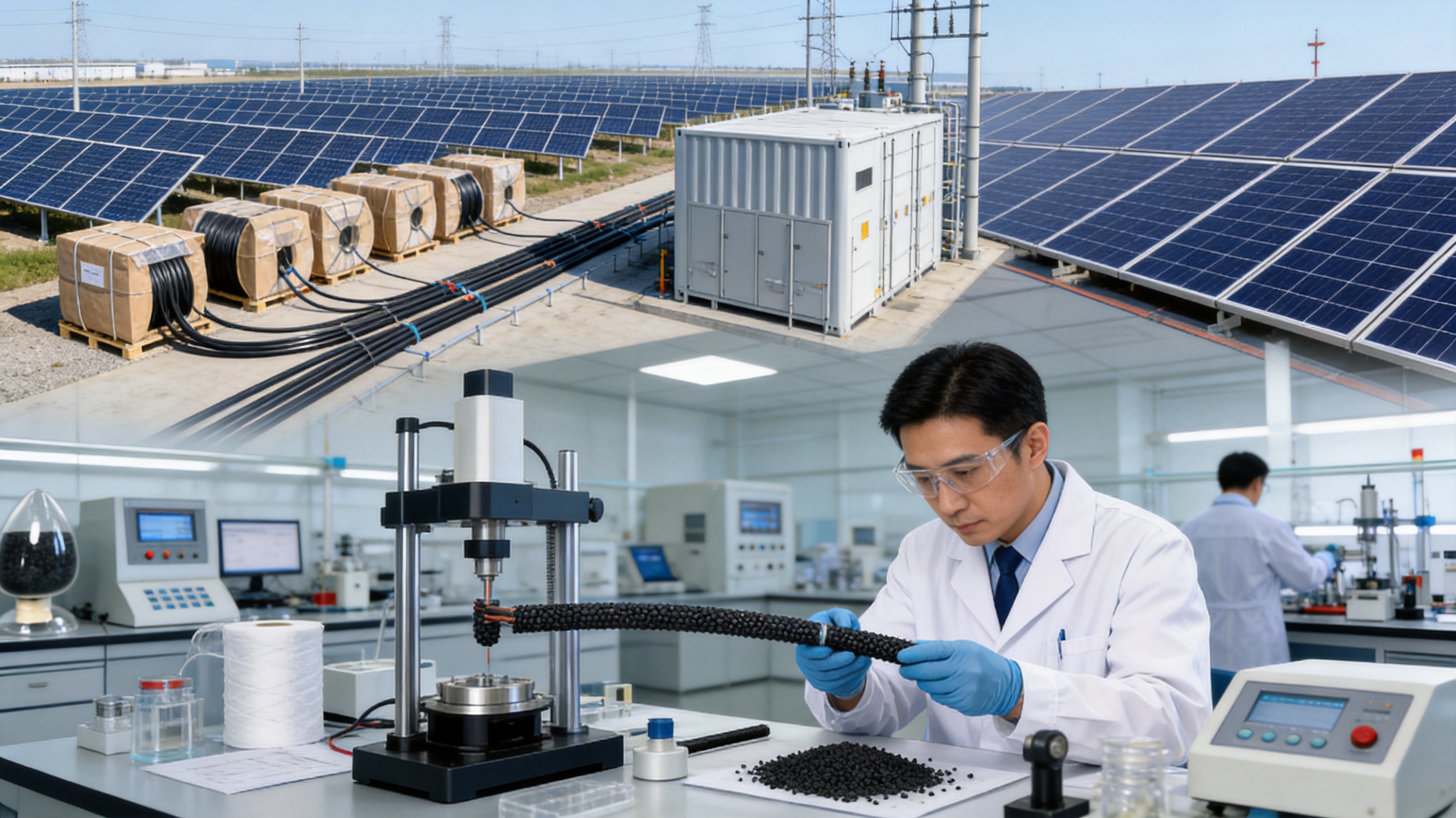
Processing and Application Recommendations
Before production, the compound should be stored in a clean, dry area and protected from contamination, excessive heat, direct sunlight, and moisture. Packaging should remain sealed until the material is ready for use. Any storage or drying conditions should be confirmed with the supplier because the recommended treatment may depend on the exact formulation and packaging state.
Extrusion temperature, screw configuration, compression ratio, die design, and line speed should be established through trials. The correct parameters depend on the grade, cable size, equipment, and desired surface finish. Excessive shear or temperature may affect the compound, while insufficient melting or mixing may produce poor surface quality and inconsistent insulation.
The cable should be inspected for concentricity, spark-test performance, surface smoothness, wall thickness, and dimensional stability before irradiation. Any defects introduced during extrusion may become more difficult to correct after crosslinking.
Irradiation dose must be matched to the product formulation and cable construction. A uniform dose is important for achieving consistent crosslinking through the insulation or sheath. After irradiation, the cable should be evaluated for tensile strength, elongation, thermal deformation, electrical insulation, and other required properties.
When installing the finished photovoltaic cable, avoid sharp bends, excessive pulling force, repeated rubbing against metal edges, and prolonged contact with incompatible chemicals. Cable clips and support systems should be selected to avoid crushing the insulation or sheath. The minimum bending radius should follow the applicable cable specification and manufacturer’s installation recommendations.
Applications in Photovoltaic and New Energy Systems
The material is suitable for photovoltaic cables used in utility-scale solar farms, commercial and industrial rooftop systems, residential rooftop arrays, floating photovoltaic systems, solar tracking installations, inverter connections, combiner boxes, and balance-of-system equipment.
In fixed solar farms, the material’s UV, ozone, heat, and low-temperature resistance supports long-term exposure to open-air conditions. In rooftop systems, its low-smoke, halogen-free flame-retardant characteristics can provide added safety where cables pass close to occupied buildings or construction materials.
In tracking systems, flexibility and mechanical strength are particularly important. Cables may experience repeated movement, bending, torsion, and vibration over many years. A suitable irradiation-crosslinked compound can help maintain the cable’s integrity under these dynamic conditions when the cable design and installation method are correctly engineered.
The material may also be considered for related new-energy applications, including energy-storage systems, charging infrastructure, wind-power auxiliary systems, and industrial power equipment. The precise suitability of each grade should be confirmed through application-specific testing, especially where elevated voltage, confined installation, frequent movement, or unusual chemical exposure is involved.
Customization and Supply Capabilities
Different cable producers may require customized compound characteristics. Common requirements include a specific color, hardness, density, melt flow behavior, extrusion speed, low-temperature flexibility, flame classification, surface finish, or irradiation response. The supplier’s formulation and production experience can support the development of adjusted grades for particular cable structures.
Customization may also involve adapting the material to local standards, customer inspection procedures, or special project documentation. A professional compound supplier should be able to provide technical data, sample material, processing recommendations, test reports, and support during pilot production.
Stable supply is another important consideration for large photovoltaic projects. Solar farms may require substantial quantities of cable over a defined construction schedule. Production bases, multiple production lines, raw material planning, batch control, and technical coordination help reduce the risk of supply interruption.
Duoshang’s combination of two production bases, more than 10 production lines, a dedicated R&D center, and a broad polyolefin compound portfolio supports both standard supply and application-oriented development. This structure is intended to serve customers that need stable production as well as customers that require technical customization.
How to Select the Most Suitable Grade
The first step is to identify whether the material will be used as primary insulation, an outer sheath, or both. Insulation compounds must prioritize dielectric strength, volume resistivity, wall-thickness consistency, and compatibility with the conductor. Sheath compounds must also provide abrasion resistance, environmental durability, flexibility, and protection against mechanical damage.
The second step is to define the operating environment. Important factors include maximum conductor temperature, ambient temperature range, solar radiation, humidity, salt exposure, chemicals, installation movement, expected service life, and fire-safety requirements.
The third step is to confirm the applicable standards. The selected grade should be tested as part of the complete cable according to the required photovoltaic, low-voltage, flame-retardant, smoke, environmental, and electrical standards. A typical material value should not be treated as a substitute for final product certification.
The fourth step is to evaluate processing compatibility. The compound should run consistently on the customer’s extrusion equipment, provide acceptable surface quality, and achieve the required dimensions at a practical line speed. Irradiation parameters should then be established and validated on the finished cable.
Finally, the customer should compare total value rather than only purchase price. A material with better heat aging, environmental resistance, process stability, and service life may reduce field failures, maintenance, replacement work, and warranty exposure. For a photovoltaic plant expected to operate for decades, long-term reliability is often more important than the lowest initial material cost.
Q&A
What is the main purpose of this material?
The material is designed for insulation and sheathing of photovoltaic cables. It provides low-smoke, halogen-free flame retardancy, high-temperature resistance up to 125°C, low-temperature performance below -40°C, electrical insulation, mechanical strength, and resistance to outdoor aging.
What does irradiation crosslinking do?
Electron accelerator irradiation creates crosslinks between polymer chains and forms a stable three-dimensional network. This improves resistance to heat deformation, thermal aging, mechanical stress, and environmental exposure.
Can the material be used outdoors?
Yes. The product is specifically intended for outdoor photovoltaic applications and is designed to resist ultraviolet radiation, ozone, acids, alkalis, and temperature cycling. Under suitable design and installation conditions, the expected outdoor service life can reach up to 25 years.
What is the low-temperature performance?
The material is designed to achieve a low-temperature brittleness temperature below -40°C. This supports installation and operation in cold climates, although the final cable should still be tested according to the relevant low-temperature standard.
Is the material halogen-free?
Yes. It is formulated as a low-smoke, halogen-free flame-retardant compound. This helps reduce corrosive halogen-containing emissions during a fire compared with conventional halogen-containing materials.
What tensile strength and elongation are reported?
The supplied typical tensile-strength values range from approximately 12.5 MPa to 13.5 MPa. Typical elongation at break ranges from approximately 170% to 280%, depending on the grade.
What electrical properties are available?
The listed grades provide typical volume resistivity values from approximately 6.8 × 10¹³ to 5.0 × 10¹⁵ Ω·cm and dielectric strength values of approximately 32 to 40 MV/m. Final cable performance depends on insulation thickness, extrusion quality, conductor design, irradiation, and testing conditions.
How should customers choose between the four grades?
Selection should be based on whether the compound is used for insulation or sheathing, the required flexibility and density, the extrusion equipment, electrical requirements, environmental exposure, and the applicable cable standard. Technical consultation and pilot testing are recommended before volume production.
Does the product require moisture curing?
The product is designed for electron accelerator irradiation crosslinking rather than moisture-dependent silane curing. The irradiation process must be controlled according to the compound formulation and cable construction.
Can the supplier provide customized materials?
Yes. The supplier focuses on application-oriented solutions and can support customized material development, technical documentation, testing, processing guidance, and supply coordination for customers with specific cable requirements.
What information should be provided when requesting a quotation?
Customers should provide the intended application, insulation or sheath position, conductor size, cable structure, target standards, operating temperature, environmental conditions, color, annual quantity, extrusion equipment, irradiation process, packaging requirements, and desired delivery schedule.
Conclusion
The 125°C accelerator irradiation cross-linked LSZH flame-retardant compound is engineered for the long-term demands of photovoltaic cable systems. Its combination of heat resistance, low-temperature flexibility, UV and ozone resistance, acid and alkali resistance, mechanical strength, electrical insulation, and low-smoke halogen-free flame retardancy makes it a strong candidate for modern solar-energy applications.
The product’s principal technical advantage is the stable three-dimensional network created through electron accelerator irradiation. This structure helps the finished cable maintain its dimensions and performance under prolonged heat, environmental exposure, and mechanical stress. Compared with many conventional thermoplastic, halogen-containing, or moisture-cured alternatives, the material offers a useful combination of safety, durability, process efficiency, and application flexibility.
The manufacturing and technical strengths behind the product further support its value. A dedicated R&D center, experienced professional team, two production bases, more than 10 production lines, and a portfolio covering multiple polyolefin cable-compound technologies provide a foundation for consistent supply and customized development.
For photovoltaic cable manufacturers, the best results will come from evaluating the compound together with extrusion conditions, irradiation parameters, cable design, installation practice, and final certification requirements. When these elements are properly coordinated, the material can help support safer, more reliable, and longer-lasting photovoltaic power generation systems.
References
1. Product technical information for 125°C accelerator irradiation cross-linked LSZH photovoltaic insulation and sheathing compounds, including grades DS-GFJ-125, DS-GFH-125, DS-ENJ-125, and DS-ENH-125.
2. Manufacturer-provided company and product information concerning polyolefin cable compounds, irradiation-crosslinked materials, LSZH compounds, production facilities, and R&D capabilities.
3. General principles of electron-beam irradiation crosslinking for polyolefin cable insulation and sheath materials.
4. General engineering practices for photovoltaic cable selection, outdoor aging resistance, thermal design, mechanical installation, and long-term reliability.
5. General low-smoke, halogen-free cable safety principles concerning smoke generation, halogen-free formulations, flame retardancy, and corrosive gas reduction.
6. General polymer testing practices for tensile strength, elongation at break, heat deformation, volume resistivity, dielectric strength, low-temperature brittleness, pH, and conductivity.