English
 Français
 Español
 русский
 عربى
Green Ohm
Green Ohm
Green Ohm
Green Ohm
Green Ohm
Green Ohm
Green Ohm
Green Ohm
Green Ohm
Content
- 1 Introduction
- 2 What LSZH Sheathing Means for Power Cable Safety
- 3 Product Design for Power-Grid Cable Applications
- 4 Typical Technical Performance
- 5 Advantages Compared with Conventional Cable Sheathing Options
- 6 Electrical Insulation and Long-Term Reliability
- 7 Manufacturing and Research Strengths
- 8 Manufacturing Process Considerations for Cable Producers
- 9 Environmental and Regulatory Considerations
- 10 Applications Across Power and Infrastructure Systems
- 11 How to Select Between Standard Grades and B1/B2 Grades
- 12 Advantages for Global Cable Manufacturers
- 13 Recommended Evaluation Procedure
- 14 Frequently Asked Questions
- 14.1 What is the main purpose of this LSZH compound?
- 14.2 What makes the product different from ordinary cable sheath materials?
- 14.3 What are the reported flame-retardant properties of the B1 grade?
- 14.4 What are the reported flame-retardant properties of the B2 grade?
- 14.5 Is the compound suitable for outdoor cable use?
- 14.6 Can the material be used in buried cables?
- 14.7 Does the compound produce halogen acid gases during fire?
- 14.8 What is the typical tensile strength of the material?
- 14.9 What is the typical elongation at break?
- 14.10 Does the material retain its properties after heat aging?
- 14.11 What does the low hot-deformation value indicate?
- 14.12 Is the product environmentally compliant?
- 14.13 Can the product be customized?
- 14.14 What support does the manufacturer provide?
- 15 Conclusion
- 16 References
- 17 Product: LSZH Flame Retardant Sheathing Material for Power Grids (Class B1/B2)
Introduction
Modern power networks require cable materials that do more than provide basic insulation and mechanical protection. Cable sheathing must help control fire propagation, limit smoke generation, avoid the release of corrosive halogen gases, withstand outdoor exposure, and retain its performance across a broad temperature range. These requirements become especially important in transmission systems, distribution networks, substations, switchgear installations, buried cables, and overhead power applications where cable failure can affect safety, service continuity, and maintenance costs.
The low-smoke zero-halogen, or LSZH, flame-retardant sheathing compound described in this article has been developed for power-grid cable applications requiring B1 and B2 flame-retardant performance. It is a thermoplastic material formulated for the outer protective layer of power cables. Its performance profile combines flame resistance, low smoke density, halogen-free combustion behavior, electrical insulation, weather resistance, moisture resistance, mold resistance, and resistance to cracking.
The compound is available in several grades, including DS-WDZH-01, DS-WDZH-02, DS-WDZH-03, DS-WDZH-B1, and DS-WDZH-B2. These grades provide options for different cable designs and flame-retardant targets. Typical values show tensile strength from 11.2 MPa to 12.5 MPa, elongation at break from 170% to 180%, oxygen index values from at least 30% to at least 40%, and low smoke density under both flaming and non-flaming conditions.
In addition to product performance, the manufacturing capability behind the compound is an important part of its value. The producer maintains dedicated research and development resources, multiple production bases, more than ten polyolefin compound production lines, and a product portfolio covering thermoplastic, cross-linkable, irradiation-cross-linked, and polyethylene-based cable materials. This combination allows the material to be developed around practical cable-processing requirements rather than around laboratory performance alone.
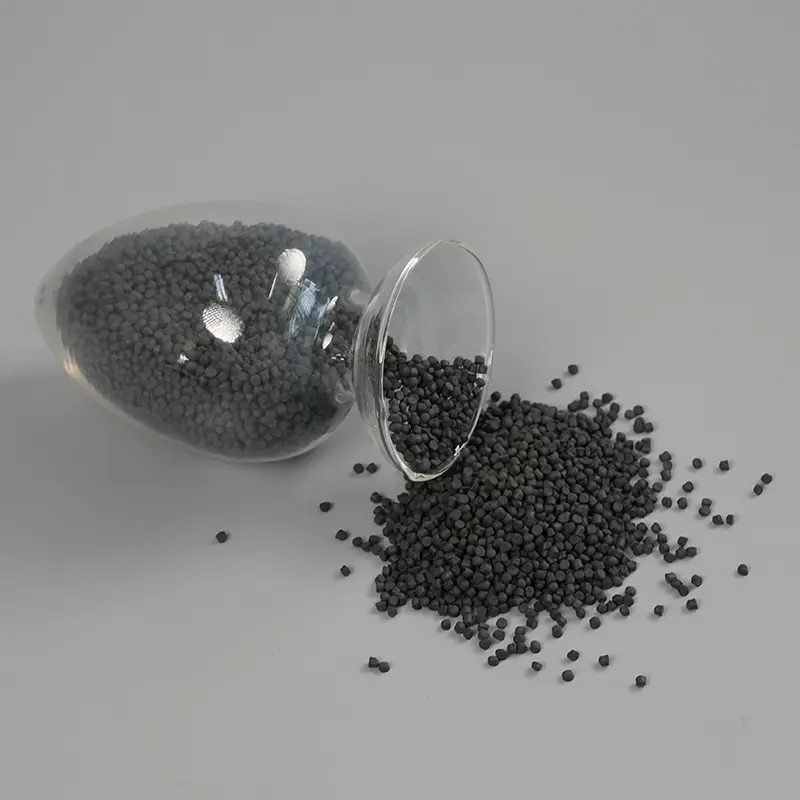
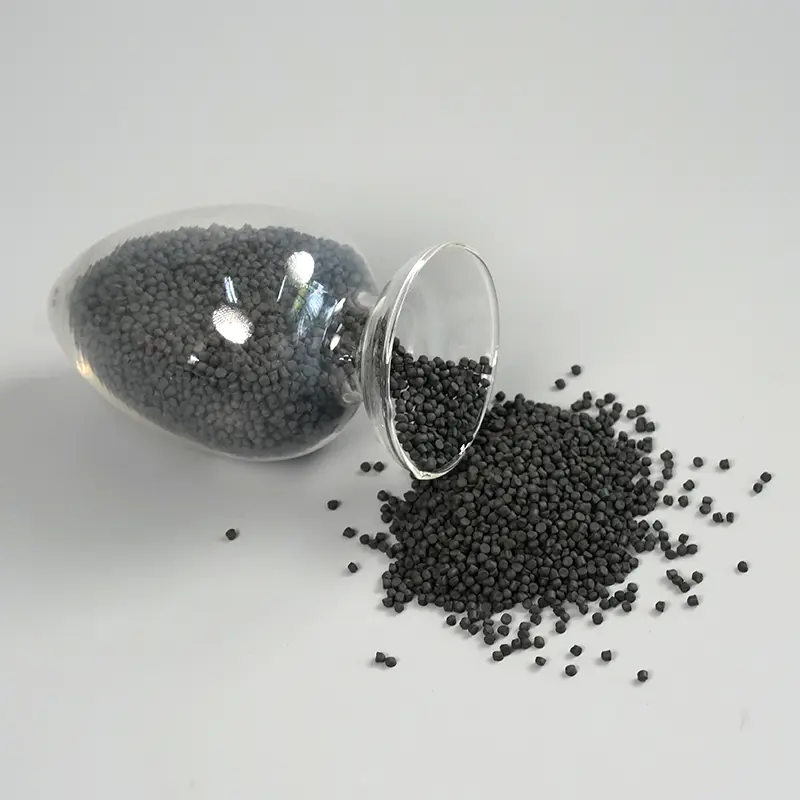
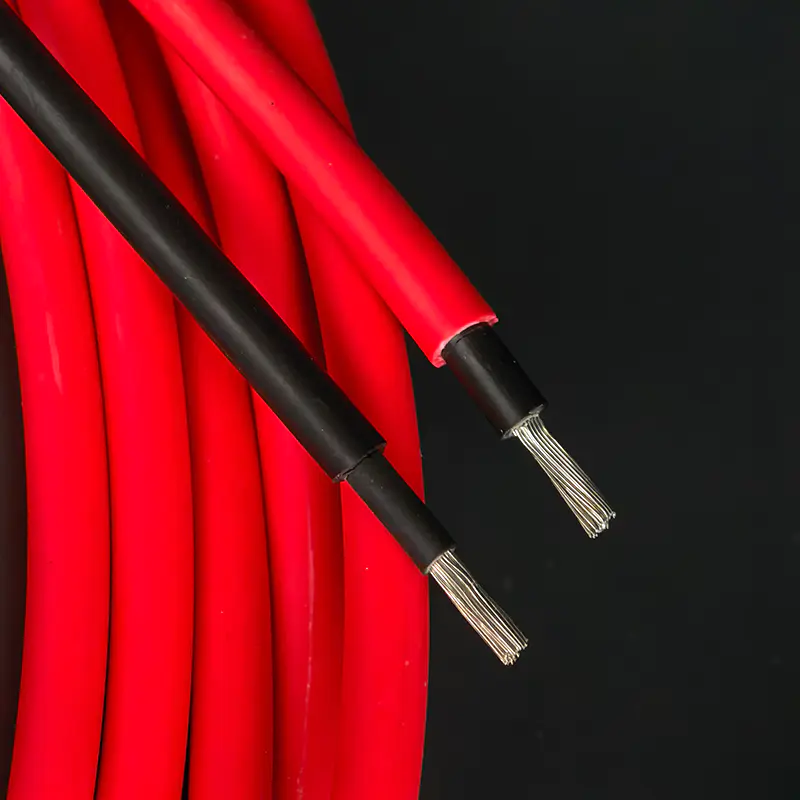
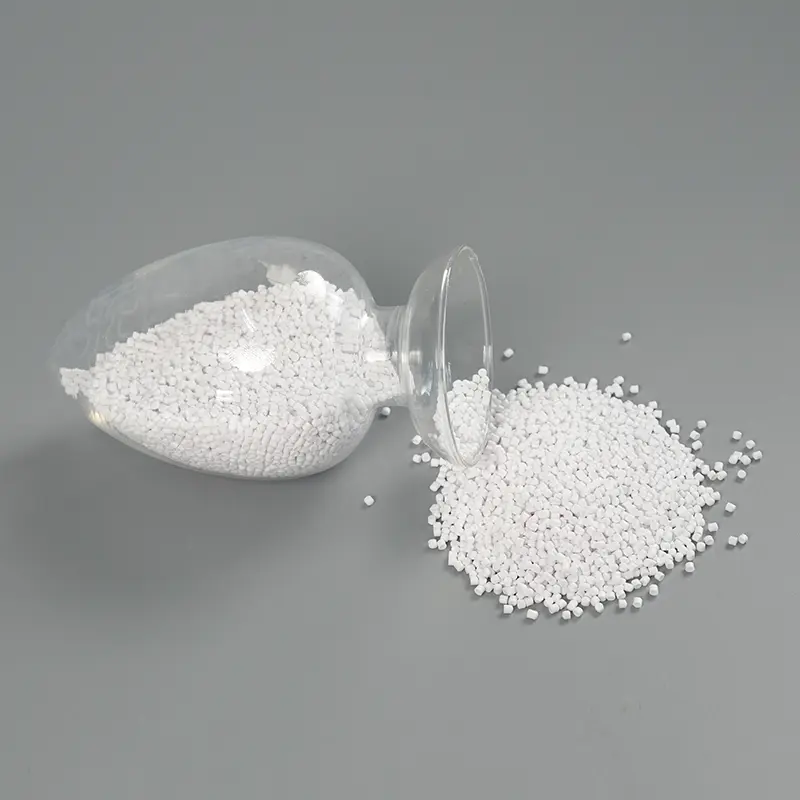
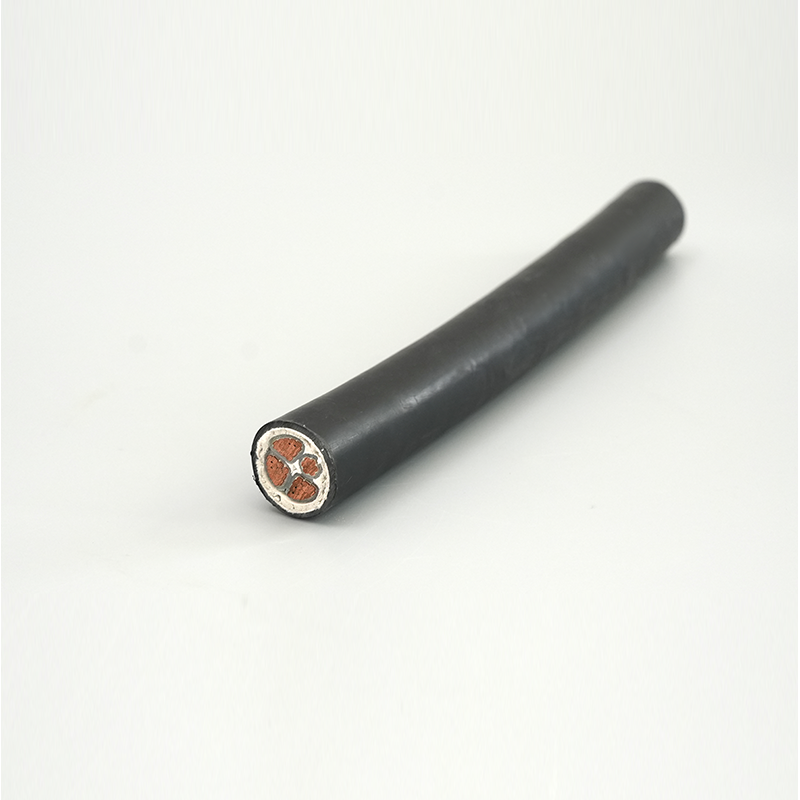
LSZH Flame Retardant Sheathing Material for Power Grids (Class B1/B2)
What LSZH Sheathing Means for Power Cable Safety
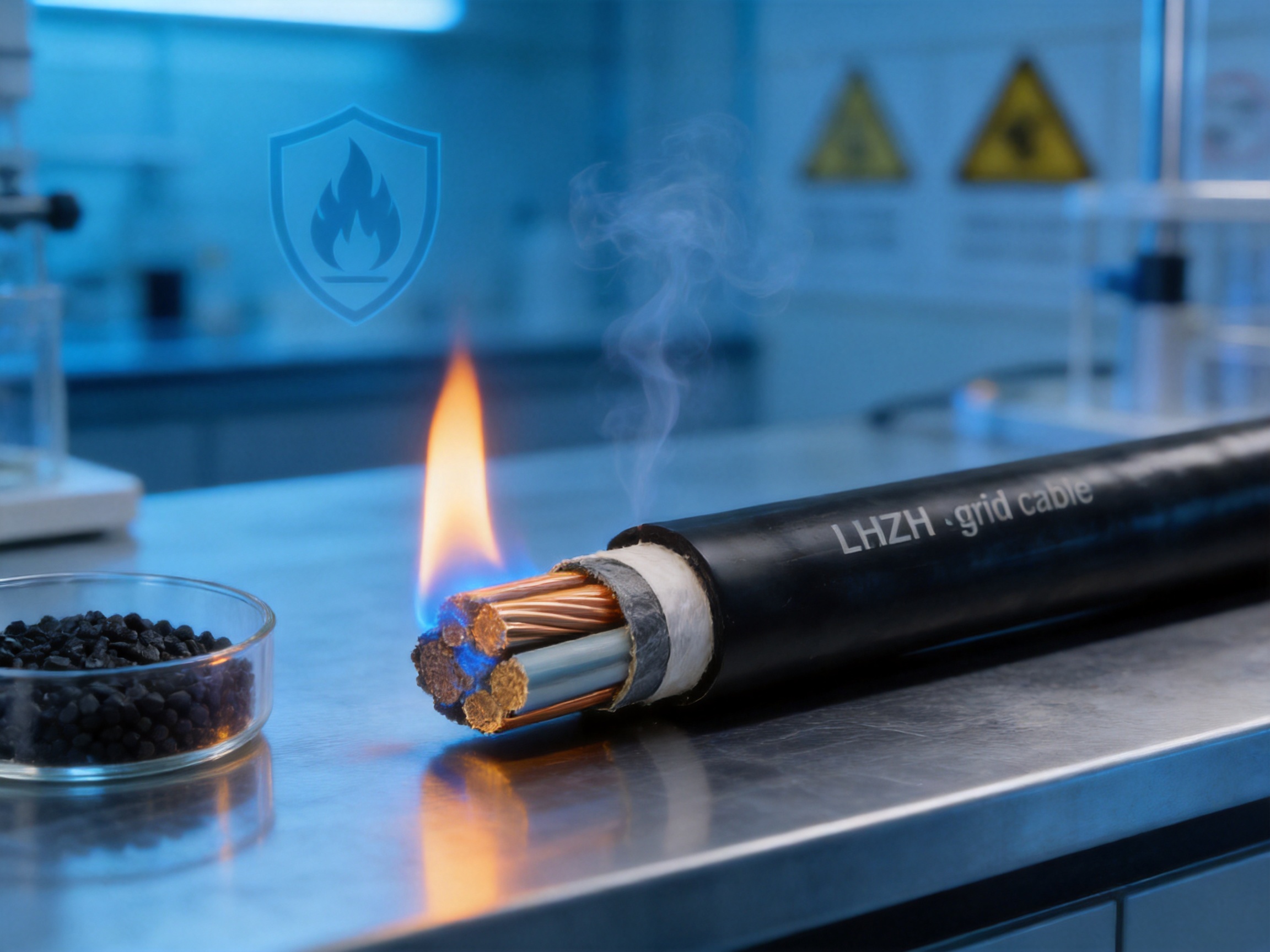
LSZH compounds are designed to produce very limited halogen acid gases when exposed to fire. Conventional halogen-containing cable materials may release hydrogen chloride or other acidic gases during combustion. These gases can be harmful to people and can also corrode metal structures, electrical contacts, switchgear components, control panels, and sensitive electronic equipment. A halogen-free compound reduces this concern by using a formulation that meets a halogen acid gas content limit of no more than 0.5% in the listed performance data.
Low smoke generation is another important feature. Dense smoke can obstruct evacuation routes, reduce visibility for emergency personnel, and interfere with fire detection or maintenance activities. The listed grades show typical non-flaming smoke-density values between 260 and 340, against a stated limit of 350. Flaming smoke-density values range from 50 to 70, against a stated limit of 100. These results indicate that the compound is formulated to limit smoke generation under different combustion conditions.
The material also demonstrates a pH value of approximately 5.1 to 5.5 and conductivity of approximately 1.1 to 1.2 μS/mm in the reported test data. These values are relevant to the low-corrosivity characteristics of combustion products. When cables are installed in enclosed electrical rooms, transportation facilities, public buildings, substations, or other infrastructure locations, reduced corrosive emissions can help protect both occupants and equipment.
Flame retardancy is supported by the oxygen index results. The standard value listed for the product family is at least 30%, while typical values range from at least 30% to at least 40%. A higher oxygen index generally indicates that a material requires a higher oxygen concentration to sustain combustion. The B1 and B2 grades show particularly high typical oxygen index values, with at least 40% for the B1 grade and at least 38% for the B2 grade.
Supporting Fire Performance Through Multiple Properties
A cable sheath cannot be evaluated by oxygen index alone. Actual fire performance depends on formulation, cable geometry, wall thickness, processing conditions, installation arrangement, and the applicable test method. For that reason, a more complete assessment considers oxygen index, smoke density, halogen acid gas content, pH, conductivity, and the material’s ability to maintain integrity under heat.
The compound’s reported heat-resistance-to-shock result is “No Cracking” after exposure at 130°C for one hour. This result supports the material’s ability to resist visible cracking under a severe short-term thermal condition. Hot deformation is also low, with typical values of 5% to 10% at 90°C for one hour, compared with a maximum requirement of 50%. Together, these results indicate good dimensional stability and resistance to excessive softening during thermal exposure.
Product Design for Power-Grid Cable Applications
The product is specifically intended for the outer protection of transmission and distribution cables. The sheath is the first material exposed to many external hazards, including sunlight, rain, humidity, soil contact, temperature cycling, abrasion, installation stress, and accidental mechanical contact. A reliable sheathing compound must therefore balance flame retardancy with flexibility, strength, processability, insulation performance, and environmental durability.
The product description identifies compatibility with overhead cables, buried distribution cables, and switchgear wires. These applications present different operating conditions. Overhead cable systems may face ultraviolet radiation, wind-driven moisture, temperature cycling, and ozone exposure. Buried cables encounter soil moisture, biological activity, mechanical pressure, and long-term temperature variation. Switchgear wiring may be installed in confined spaces where smoke and corrosive gases are especially undesirable.
The compound is resistant to high and low temperatures, outdoor ultraviolet radiation, moisture, mold, and cracking. These features are valuable because cable sheath deterioration often begins with environmental aging. Ultraviolet exposure can cause surface embrittlement, moisture can accelerate electrical and mechanical degradation, and temperature cycling can create repeated expansion and contraction. A formulation that resists these effects can help extend cable service life and reduce maintenance frequency.
Mechanical Performance
The listed tensile-strength standard is 10.0 MPa, while typical product values range from 11.2 MPa to 12.5 MPa. Elongation at break is specified at 160%, with typical values between 170% and 180%. This balance of strength and elongation is important for cable sheathing because the material must tolerate pulling, bending, handling, and movement without tearing or splitting.
During cable production, the sheath may be exposed to tension as it exits the extrusion die and is cooled, sized, and wound. During installation, the cable may be pulled through conduits, laid in cable trays, placed in trenches, or bent around equipment. A sheath with sufficient elongation can accommodate these stresses more effectively than a brittle material, while adequate tensile strength helps resist cuts, stretching, and localized damage.
Air heat aging data also supports the product’s durability. After aging at 110°C for 168 hours, tensile-strength change rates range from approximately +9% to +14%, while elongation change rates range from approximately -5% to -15%. These results fall within the stated change-rate requirement of ±25%. The data indicates that the material retains a substantial portion of its original mechanical performance after accelerated heat exposure.
Resistance to Low-Temperature Embrittlement
All listed grades show an impact embrittlement temperature of -25°C. Low-temperature embrittlement is an important consideration for cables installed outdoors or in regions with cold winters. If a sheath becomes brittle, even ordinary bending or impact during installation can produce cracking. Maintaining impact resistance at low temperature helps protect the cable during transportation, installation, and service.
The stated value should be considered together with the actual climate and application. Project engineers should confirm the minimum expected service temperature, installation temperature, cable bending radius, and relevant project standards before selecting a grade. Nevertheless, the reported -25°C impact result provides a useful baseline for general outdoor and distribution applications.
Typical Technical Performance
The following table summarizes the principal typical values provided for the five product grades. The values are reported performance indicators after cross-linking, as stated in the supplied technical information. Actual production specifications should be confirmed through the current technical data sheet, quality agreement, and project-specific approval process.
| No. | Test Item | Unit | Standard | DS-WDZH-01 | DS-WDZH-02 | DS-WDZH-03 | DS-WDZH-B1 | DS-WDZH-B2 |
|---|---|---|---|---|---|---|---|---|
| 1 | Density | g/cm³ | --- | 1.48 | 1.49 | 1.50 | 1.57 | 1.55 |
| 2 | Tensile Strength | MPa | 10.0 | 12.0 | 12.0 | 12.5 | 11.2 | 11.2 |
| 3 | Elongation at Break | % | 160 | 180 | 180 | 180 | 170 | 170 |
| 4 | Air Heat Aging, Tensile Strength Change Rate | % | ±25 | +10 | +12 | +9 | +12 | +14 |
| 5 | Air Heat Aging, Elongation Change Rate | % | ±25 | -5 | -10 | -12 | -15 | -12 |
| 6 | Hot Deformation at 90°C for 1 Hour | % | ≤50 | 10 | 10 | 8 | 5 | 5 |
| 7 | Impact Embrittlement Temperature | °C | -25 | -25 | -25 | -25 | -25 | -25 |
| 8 | Volume Resistivity at 20°C | Ω·cm | ≥10¹² | 1.5×10¹³ | 1.5×10¹³ | 1.2×10¹³ | 2.5×10¹³ | 2.5×10¹³ |
| 9 | Smoke Density, Non-Flaming | --- | ≤350 | 305 | 320 | 340 | 260 | 280 |
| 10 | Smoke Density, Flaming | --- | ≤100 | 70 | 70 | 65 | 50 | 55 |
| 11 | Oxygen Index | % | ≥30 | ≥35 | ≥32 | ≥30 | ≥40 | ≥38 |
| 12 | Halogen Acid Gas Content | % | ≤0.5 | <0.5 | <0.5 | <0.5 | <0.5 | <0.5 |
| 13 | pH Value | --- | ≥4.3 | 5.2 | 5.1 | 5.3 | 5.5 | 5.5 |
| 14 | Conductivity | μS/mm | ≤10 | 1.1 | 1.1 | 1.1 | 1.2 | 1.2 |
Advantages Compared with Conventional Cable Sheathing Options
The most significant advantage of this LSZH compound is the integration of flame retardancy and low-corrosivity combustion behavior. Some conventional thermoplastic sheath materials may offer good mechanical properties but produce more smoke or corrosive gases when burned. Other highly flame-retardant materials may sacrifice flexibility, processability, or elongation. The product described here is designed to address these trade-offs in a cable-specific formulation.
Compared with halogen-containing sheathing materials, a halogen-free compound can provide a safer combustion profile in enclosed or sensitive environments. The reported halogen acid gas content is below 0.5%, and the pH and conductivity values are within the listed requirements. This makes the material suitable for projects where protection of people, equipment, and emergency access routes is a priority.
Compared with a basic low-smoke material that has not been optimized for power-cable applications, the product offers a broader performance package. The listed data includes electrical resistivity, mechanical strength, heat aging, hot deformation, low-temperature impact, smoke density, oxygen index, ozone resistance, and heat shock. A broad test profile helps cable manufacturers assess the material from both safety and service-life perspectives.
The B1 and B2 grades provide an additional advantage for projects with higher flame-retardant requirements. Their typical oxygen index values are at least 40% and at least 38%, respectively. They also show low flaming smoke-density values of 50 and 55. The reported hot deformation values for both grades are 5%, indicating strong resistance to deformation under the listed test condition.
Balancing Fire Safety and Processability
High loading levels of flame-retardant additives can sometimes increase density, reduce elongation, raise melt viscosity, or complicate extrusion. The product grades show densities from 1.48 to 1.57 g/cm³ and elongation values from 170% to 180%. This suggests that the formulation has been engineered to maintain useful mechanical flexibility while achieving improved flame-retardant performance.
For cable manufacturers, processing stability is as important as laboratory performance. A material that cannot be extruded consistently may produce uneven sheath thickness, surface defects, bubbles, poor adhesion, or dimensional instability. A practical compound must be compatible with the manufacturer’s extrusion equipment, cooling system, line speed, screw configuration, and quality-control procedures.
The company’s focus on polyolefin cable compounds supports this application-oriented approach. Its product portfolio includes thermoplastic LSZH flame-retardant materials, polyethylene sheath compounds, UV-cross-linked compounds, silane cross-linkable compounds, and irradiation-cross-linked materials. This range provides technical context across multiple cable-processing technologies and enables product selection according to the cable structure and end-use environment.
Electrical Insulation and Long-Term Reliability
Although the sheath is primarily an external protective layer, its electrical properties remain important. The listed volume resistivity values at 20°C range from 1.2×10¹³ to 2.5×10¹³ Ω·cm, significantly above the stated minimum of 10¹² Ω·cm. High volume resistivity helps limit leakage current through the sheath and supports the electrical separation required in many cable designs.
Electrical performance can be influenced by moisture absorption, contamination, temperature, filler dispersion, and processing quality. A material used in buried or outdoor cables must maintain its insulating behavior after exposure to humidity and temperature changes. The product’s resistance to moisture and mold, together with its reported volume resistivity, supports its suitability for demanding cable environments.
Product selection must still consider the complete cable system. The conductor, insulation, bedding, screen, armor, sheath thickness, operating voltage, installation environment, and accessories all contribute to overall cable performance. The compound is a material component, not a substitute for complete cable design validation.
Ozone and Heat-Shock Resistance
The listed ozone resistance test uses 25°C, 24 hours, and 300 ppm ozone. All grades show “No Cracking.” Ozone exposure can be relevant to outdoor electrical equipment and cable systems where the sheath may encounter reactive atmospheric conditions. Resistance to ozone cracking helps preserve surface integrity and reduces the possibility of environmental damage developing into a larger defect.
The heat-resistance-to-shock test is carried out at 130°C for one hour, with no cracking reported for any listed grade. This result is valuable for cables that may experience short-term temperature spikes, thermal exposure near electrical equipment, or heat generated by abnormal operating conditions. It also provides confidence that the sheath can retain structural integrity during certain manufacturing and installation events.
Manufacturing and Research Strengths
Jiangsu Duoshang New Materials Technology Co., Ltd. is located in Nantong City, Jiangsu Province, China, and specializes in the research, production, and sales of polyolefin cable compounds. Its technical activities cover power cables, communication cables, locomotives, photovoltaic systems, new-energy generation, rail transit, marine cables, and other application areas.
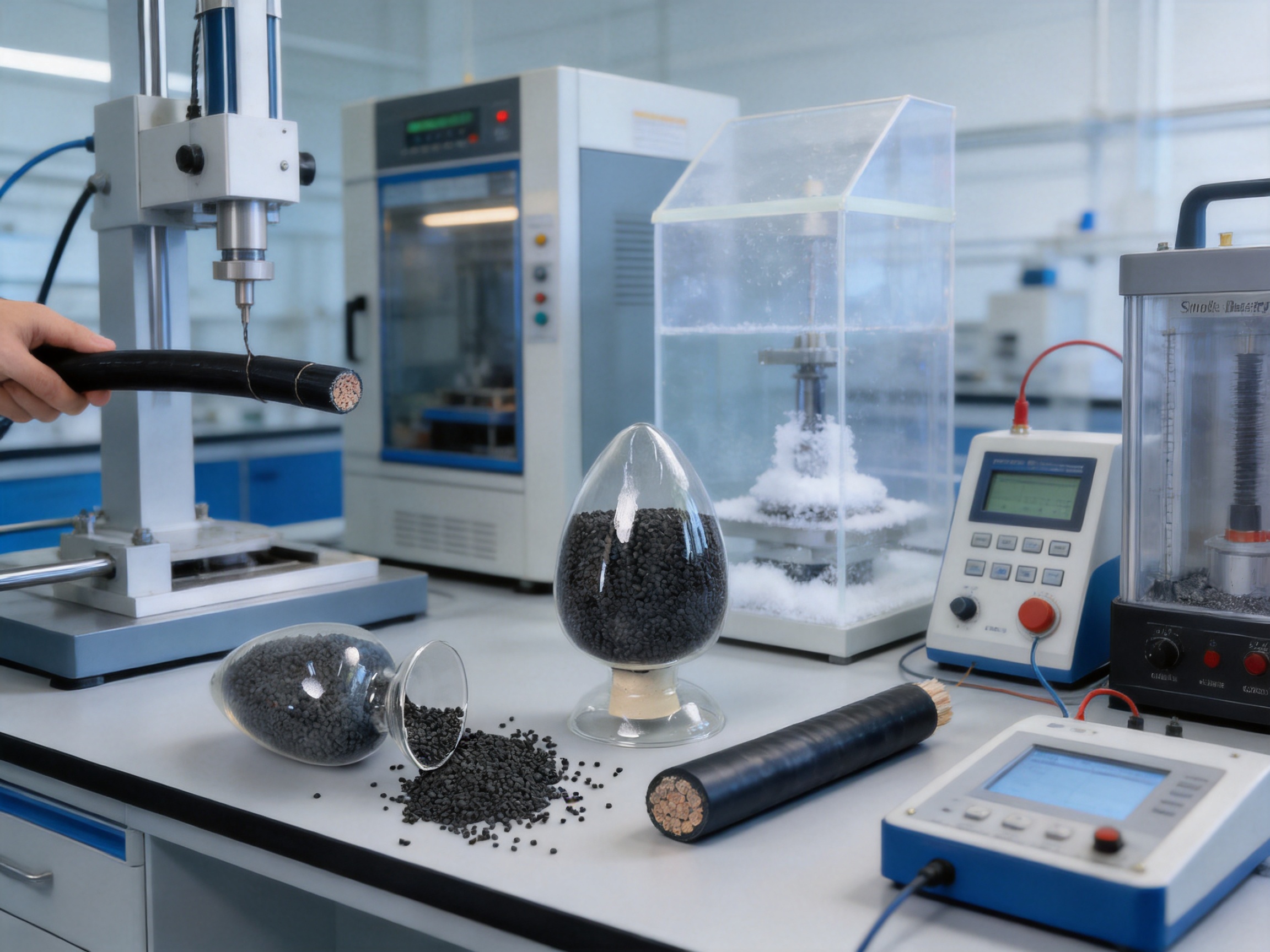
The company operates a research and development center of more than 3,000 square meters. The facility is equipped with research equipment valued at more than RMB 35 million and supported by a professional research team of more than 30 members. The team includes five doctors and personnel who have received provincial and municipal talent recognitions. This structure provides a technical foundation for formulation development, performance verification, and application support.
Research capability is especially important for LSZH compounds because performance depends on the interaction of polymers, mineral flame retardants, compatibilizers, stabilizers, processing aids, pigments, and other formulation components. Small changes in additive balance can affect smoke, oxygen index, tensile properties, elongation, extrusion behavior, density, and long-term stability. A dedicated research organization can evaluate these interactions systematically.
Production Capacity and Supply Stability
The company operates two production bases covering more than 15,000 square meters in total, with more than ten production lines for polyolefin cable compounds. Multiple production lines can support capacity planning, grade separation, production scheduling, and supply continuity. For cable manufacturers, stable supply is important because material changes during a long production program can require new process trials, approvals, and quality documentation.
Production of cable compounds requires more than mixing raw materials. It involves controlled feeding, melt compounding, dispersion, temperature management, filtration where applicable, pelletizing, cooling, drying, packaging, and batch inspection. Consistency at every stage affects the final cable sheath. Uniform additive dispersion is particularly important for flame-retardant performance because localized concentration differences can produce variation in smoke, combustion, mechanical properties, and surface quality.
A structured manufacturing process also supports traceability. Batch identification, raw-material control, process records, laboratory testing, and finished-product inspection allow manufacturers and cable producers to investigate performance results and maintain consistent production. Customers requiring customized grades can use this framework to develop material specifications suited to their extrusion equipment and cable construction.
Application-Oriented Development
The company states that it provides application-oriented solutions, research and development support, testing support, technical documentation, stable supply capacity, and customized material solutions. This is relevant because cable compound selection is rarely based on one universal formula. A material intended for a compact switchgear wire may require different flow and dimensional behavior from a material intended for a thick power-cable sheath.
Customization may involve adjustment of flame-retardant performance, density, flexibility, color, processing temperature, extrusion speed, surface finish, low-temperature behavior, or compatibility with a particular cable structure. Any customized grade should be validated through controlled laboratory testing and cable-level trials before commercial use.
The company’s broad portfolio also makes it possible to compare material technologies. Thermoplastic LSZH compounds may be selected for efficient processing and recyclability-related production advantages. Cross-linkable materials may be preferred where elevated thermal performance is required. Polyethylene sheath compounds may be selected for specific mechanical, electrical, or environmental characteristics. This technology coverage supports more informed material decisions.
Manufacturing Process Considerations for Cable Producers
Before extrusion, the compound should be stored in a clean, dry area and protected from contamination and excessive humidity. Packaging should remain sealed until use. The cable manufacturer should follow the supplier’s recommended drying, feeding, and processing instructions because LSZH formulations may be sensitive to moisture, residence time, shear, and temperature history.
During compounding, the principal objective is uniform distribution of the polymer matrix and flame-retardant system. Poor dispersion can create weak points, inconsistent fire behavior, surface roughness, or unstable extrusion pressure. Controlled feeding equipment and suitable screw design help maintain uniform mixing. Melt temperature must be high enough to produce stable flow but not so high that it accelerates degradation or causes unwanted reactions.
During cable extrusion, die design and cooling conditions influence sheath thickness, ovality, surface smoothness, and dimensional stability. The hot-deformation values reported for the product indicate good resistance to deformation under the specified condition, but cable manufacturers should establish their own processing window. This should include line speed, melt temperature, die gap, cooling-water temperature, haul-off tension, and take-up conditions.
Online inspection can help identify variations in outer diameter, concentricity, surface appearance, spark-test performance, and marking quality. Offline testing may include tensile strength, elongation, heat aging, hot deformation, low-temperature impact, flame behavior, smoke density, electrical resistivity, and environmental resistance. The exact test program should be based on the cable standard and customer specification.
Quality Control from Raw Material to Finished Pellet
Quality control begins with incoming raw materials. Polymer carriers, flame-retardant components, stabilizers, pigments, and processing additives should be checked against approved specifications. Moisture, particle size, purity, and batch consistency can all influence compounding performance. Proper storage and weighing accuracy are equally important.
In-process controls may include feeding rate, torque, melt pressure, melt temperature, energy consumption, pellet size, and visual appearance. Finished pellets should be evaluated for uniformity, contamination, moisture, density, mechanical performance, and the properties required by the product grade. Retained samples and batch records provide a basis for traceability and customer support.
The reported technical data indicates that the product family is evaluated through a broad range of tests rather than a single flame test. This is a strength when comparing materials because a cable sheath must perform over its complete service profile. Fire safety, electrical insulation, mechanical durability, environmental resistance, and processing behavior should be reviewed together.
Environmental and Regulatory Considerations
The product is described as meeting environmental requirements such as GB/T 32129-2015, RoHS 2.0, and REACH. These references are important for cable manufacturers supplying infrastructure, industrial equipment, transportation systems, renewable-energy projects, and export markets. Compliance documentation should be requested and reviewed for the specific grade and production batch when required by the project.
RoHS-related requirements generally address restrictions on specified hazardous substances in electrical and electronic products. REACH-related obligations concern chemical substance registration, evaluation, authorization, and restriction requirements within the applicable regulatory framework. The exact responsibility of a compound supplier, cable manufacturer, importer, and downstream user may differ according to product configuration and market.
Environmental compliance should not be treated as separate from product performance. A cable compound must provide the required fire and mechanical characteristics while also meeting substance restrictions and documentation requirements. Formulation development therefore involves both technical and regulatory evaluation.
Low-smoke and halogen-free construction may also contribute to improved environmental performance during fire events. Reduced corrosive emissions can limit damage to equipment and building structures, while low smoke can improve visibility and reduce the burden on ventilation and cleaning operations. These benefits are particularly relevant in high-value installations where replacement of damaged electrical and control equipment can be expensive.
Applications Across Power and Infrastructure Systems
Transmission and Distribution Cables
Transmission and distribution systems require cable materials that can remain stable during long service periods and changing environmental conditions. The LSZH sheath compound provides a combination of flame retardancy, mechanical strength, electrical resistivity, low-temperature impact resistance, and environmental durability suitable for these applications, subject to cable-level approval.
In distribution networks, cables may be installed in cable trenches, tunnels, utility corridors, substations, or densely populated areas. Low smoke and low halogen acid gas generation are valuable in these locations because a fire can affect both personnel and adjacent equipment. Resistance to moisture and mold is also relevant in underground or semi-enclosed installations.
Overhead Cable Systems
Overhead cable sheathing can be exposed to sunlight, ultraviolet radiation, wind, rain, ozone, dust, and significant temperature variation. The product is described as resistant to outdoor ultraviolet rays and ozone, with no cracking in the listed ozone-resistance test. These features support its use in outdoor cable designs where surface cracking could expose underlying layers.
Outdoor applications should still be assessed for local climate, solar intensity, installation tension, ice loading, wind movement, and cable design. UV stabilization and color selection should be confirmed for the exact product grade, especially where long-term direct sunlight exposure is expected.
Buried Distribution Cables
Buried cables must resist soil moisture, pressure, installation abrasion, and thermal cycling. A sheath with high elongation and good resistance to cracking can help tolerate installation stresses. Mold resistance and moisture resistance are also useful in damp soil environments.
For direct burial, project engineers should verify resistance to chemicals, oils, hydrocarbons, microorganisms, rodents, and mechanical impact where applicable. The LSZH compound provides a strong baseline for flame-retardant and environmental performance, but the complete cable design must address all site-specific hazards.
Switchgear and Electrical Equipment Wiring
Switchgear rooms and electrical cabinets often contain dense wiring and sensitive components in a confined space. If a fault causes fire, smoke and corrosive gases can spread rapidly within the enclosure. A low-smoke zero-halogen sheath can help reduce these secondary risks while providing electrical insulation and mechanical protection.
The material’s reported volume resistivity, low smoke density, pH, and conductivity values are relevant to this environment. The product can be considered for switchgear wires and related equipment cables when its processing characteristics, dimensions, voltage rating, and applicable certification requirements have been confirmed.
How to Select Between Standard Grades and B1/B2 Grades
Grade selection should begin with the required flame-retardant classification, cable construction, installation environment, and processing equipment. DS-WDZH-01, DS-WDZH-02, and DS-WDZH-03 provide different typical performance profiles within the product family. DS-WDZH-B1 and DS-WDZH-B2 are positioned for higher flame-retardant requirements and show higher typical oxygen index values than the general grades.
The B1 grade has a typical density of 1.57 g/cm³, tensile strength of 11.2 MPa, elongation at break of 170%, non-flaming smoke density of 260, flaming smoke density of 50, and oxygen index of at least 40%. The B2 grade has a typical density of 1.55 g/cm³, tensile strength of 11.2 MPa, elongation at break of 170%, non-flaming smoke density of 280, flaming smoke density of 55, and oxygen index of at least 38%.
These values suggest that B1 and B2 grades offer particularly strong fire-related performance while retaining useful mechanical properties. However, the final classification of a cable or cable system depends on the complete test assembly and the relevant standard. A compound’s oxygen index does not independently establish the classification of a finished cable.
Customers should request the latest technical data sheet, safety documentation, compliance statements, recommended processing conditions, sample availability, and relevant test reports. Trial extrusion and cable-level testing are recommended before final approval.
Advantages for Global Cable Manufacturers
For international cable manufacturers, a reliable compound supplier must provide more than pellets. Technical documentation, stable supply, communication, customization, and problem-solving support are important throughout product development and commercial production. The company’s stated focus on technical documentation, testing support, and customized material solutions addresses these practical requirements.
Its location in Nantong, Jiangsu Province, places the business within a major industrial region with access to manufacturing infrastructure, logistics resources, engineering talent, and supply-chain networks. The combination of research resources, production bases, and multiple product categories can support customers developing cables for domestic and international projects.
The company’s experience across power, communications, rail transit, marine cables, photovoltaics, and new-energy systems also provides exposure to different performance requirements. Cable materials used in these fields may require different combinations of flame retardancy, flexibility, UV resistance, low-temperature performance, thermal stability, and electrical insulation.
For customers comparing suppliers, the most relevant evaluation criteria include batch consistency, technical support, delivery reliability, formulation transparency where appropriate, test capability, response to nonconformities, and willingness to conduct application trials. Product performance data is important, but supply-chain and engineering support determine whether a material performs successfully in commercial manufacturing.
Recommended Evaluation Procedure
A structured evaluation can reduce technical risk when introducing the LSZH compound into a new cable design. First, the cable manufacturer should define the required standard, flame-retardant class, sheath thickness, operating temperature, voltage level, installation method, and environmental conditions.
Second, the manufacturer should compare the product data with the existing material and identify the properties that matter most. These may include tensile strength, elongation, hot deformation, heat aging, low-temperature impact, volume resistivity, smoke density, oxygen index, halogen acid gas content, pH, conductivity, ozone resistance, and heat shock.
Third, a small-scale extrusion trial should be conducted. The trial should evaluate melt stability, extrusion pressure, surface quality, die swell, dimensional control, cooling behavior, and take-up performance. Processing parameters should be recorded so that successful conditions can be repeated.
Fourth, the finished cable should undergo mechanical, electrical, environmental, and fire-performance tests. Testing should be performed using the actual cable construction because sheath thickness, conductor arrangement, fillers, screens, and other components can influence results.
Finally, the manufacturer should establish a production-control plan covering incoming inspection, batch approval, process monitoring, finished-cable testing, storage, and traceability. This procedure helps ensure that the material’s laboratory performance translates into stable field performance.
Frequently Asked Questions
What is the main purpose of this LSZH compound?
It is designed as a thermoplastic low-smoke zero-halogen flame-retardant sheathing material for transmission cables, distribution cables, overhead cables, buried cables, switchgear wires, and related power-grid applications.
What makes the product different from ordinary cable sheath materials?
The product combines flame retardancy, low smoke generation, low halogen acid gas content, low corrosivity indicators, electrical insulation, mechanical strength, low-temperature impact resistance, heat aging resistance, ozone resistance, and resistance to cracking. This integrated performance profile is more comprehensive than evaluating a sheath only by tensile strength or basic flame behavior.
What are the reported flame-retardant properties of the B1 grade?
The B1 grade has a typical oxygen index of at least 40%, non-flaming smoke density of 260, flaming smoke density of 50, and halogen acid gas content below 0.5%. Its typical hot deformation is 5%, and no cracking is reported in the listed heat-shock and ozone-resistance tests.
What are the reported flame-retardant properties of the B2 grade?
The B2 grade has a typical oxygen index of at least 38%, non-flaming smoke density of 280, flaming smoke density of 55, and halogen acid gas content below 0.5%. It also shows typical hot deformation of 5% and no cracking in the listed heat-shock and ozone-resistance tests.
Is the compound suitable for outdoor cable use?
The product is described as resistant to ultraviolet radiation, moisture, mold, ozone, high and low temperatures, and cracking. It is therefore intended for outdoor-related cable applications, but the final suitability should be confirmed against the specific climate, cable design, installation method, and project requirements.
Can the material be used in buried cables?
Yes, the product description identifies buried distribution cables as an intended application. Before approval, the cable manufacturer should verify resistance to the particular soil conditions, chemicals, mechanical stresses, water exposure, and temperature range at the installation site.
Does the compound produce halogen acid gases during fire?
The listed halogen acid gas content is below 0.5%, meeting the stated requirement of no more than 0.5%. This supports the product’s low-halogen-acid-gas positioning. The precise fire behavior of a finished cable should be confirmed through the applicable cable test.
What is the typical tensile strength of the material?
Typical tensile strength ranges from 11.2 MPa to 12.5 MPa across the listed grades, compared with a stated standard value of 10.0 MPa.
What is the typical elongation at break?
Typical elongation at break ranges from 170% to 180%, compared with a stated standard value of 160%. This level of elongation supports flexibility during cable production, handling, installation, and service.
Does the material retain its properties after heat aging?
The listed air-heat-aging test is performed at 110°C for 168 hours. Tensile-strength change rates range from approximately +9% to +14%, and elongation change rates range from approximately -5% to -15%, within the stated ±25% requirement.
What does the low hot-deformation value indicate?
Hot deformation measures dimensional change under elevated temperature and load. The listed values of 5% to 10% at 90°C for one hour are well below the stated maximum of 50%, indicating good resistance to excessive softening and deformation under the test condition.
Is the product environmentally compliant?
The product is described as meeting environmental requirements including GB/T 32129-2015, RoHS 2.0, and REACH. Customers should request current grade-specific compliance documents for their intended market and application.
Can the product be customized?
The company states that it provides customized material solutions. Potential customization areas may include flame performance, flexibility, density, color, processing behavior, and environmental resistance. Any customized formulation should be validated through laboratory and cable-level testing.
What support does the manufacturer provide?
The company states that it provides application-oriented solutions, research and testing support, technical documentation, stable supply capacity, and customized material solutions. Its research center, production bases, and broad product portfolio support development and commercialization activities.
Conclusion
The LSZH flame-retardant sheathing compound for B1 and B2 power cables is designed to address the increasingly demanding requirements of modern electrical infrastructure. Its principal advantages include low smoke generation, halogen-free and low-corrosivity combustion behavior, strong flame-retardant performance, electrical insulation, mechanical flexibility, heat aging resistance, low-temperature impact resistance, hot-deformation stability, ozone resistance, and protection against environmental cracking.
The reported values show a balanced product family. General grades provide tensile strength up to 12.5 MPa and elongation up to 180%, while the B1 and B2 grades provide particularly high oxygen index values and low smoke-density results. All listed grades meet the stated halogen acid gas, pH, conductivity, ozone-resistance, and heat-shock requirements in the supplied technical information.
Its competitive value also comes from the manufacturing and development platform behind the material. A research center of more than 3,000 square meters, research equipment valued at more than RMB 35 million, a professional technical team, two production bases, and more than ten polyolefin compound production lines provide a foundation for formulation development, production continuity, quality control, and customized support.
For cable manufacturers, the product should be evaluated not only as a flame-retardant compound but as part of a complete cable system. Grade selection, extrusion trials, cable-level fire testing, environmental validation, and project-specific compliance review are essential. When these steps are followed, the material can provide a strong foundation for safer, more durable, and more environmentally responsible power-grid cable construction.
References
1. Product technical information for LSZH flame-retardant sheathing material for power grids, including DS-WDZH-01, DS-WDZH-02, DS-WDZH-03, DS-WDZH-B1, and DS-WDZH-B2 performance data.
2. GB/T 32129-2015, relevant requirements for low-smoke, halogen-free cable materials and combustion-product evaluation.
3. RoHS 2.0, restrictions of hazardous substances in electrical and electronic equipment.
4. REACH, chemical substance registration, evaluation, authorization, and restriction requirements.
5. General test methods for oxygen index, smoke density, halogen acid gas content, pH, conductivity, mechanical properties, heat aging, hot deformation, ozone resistance, and low-temperature impact performance.
6. Technical information concerning polyolefin cable compounds, thermoplastic LSZH materials, cross-linkable compounds, polyethylene sheath compounds, and application-oriented cable-material development.