English
 Français
 Español
 русский
 عربى
Green Ohm
Green Ohm
Green Ohm
Green Ohm
Green Ohm
Green Ohm
Green Ohm
Green Ohm
Green Ohm
Content
- 1 Why LSZH Sheathing Matters in Construction Engineering
- 2 Product Positioning: Thermoplastic B1/B2 LSZH Sheathing Material
- 3 Core Technical Advantages
- 3.1 High Flame-Retardant Capability
- 3.2 Reduced Smoke Generation
- 3.3 Low Halogen and Low Acidity Characteristics
- 3.4 Balanced Mechanical Performance
- 3.5 Stable Performance After Thermal Aging
- 3.6 Resistance to Thermal Deformation and Thermal Shock
- 3.7 Electrical Insulation
- 3.8 Ozone and Low-Temperature Resistance
- 4 How the Formulations Compare
- 5 Advantages Compared with Conventional Alternatives
- 6 Manufacturing Strengths and Process Control
- 7 Processing Considerations for Cable Manufacturers
- 8 Environmental and Regulatory Considerations
- 9 Applications in Residential and Commercial Buildings
- 10 Supply Capacity and Customer Support
- 11 Recommended Evaluation Procedure
- 12 Quality, Traceability, and Long-Term Reliability
- 13 Q&A
- 13.1 What is this product?
- 13.2 What does LSZH mean?
- 13.3 Which cable applications are suitable?
- 13.4 What are the main flame-retardant indicators?
- 13.5 How strong and flexible is the compound?
- 13.6 Does the material contain halogens?
- 13.7 Can it be used instead of PVC?
- 13.8 Which grade should a customer choose?
- 13.9 Is the product suitable for outdoor cables?
- 13.10 What manufacturing support is available?
- 13.11 Are the listed figures guaranteed values?
- 14 Conclusion
- 15 References
- 16 Product: LSZH Flame Retardant Sheathing Material for Construction Engineering (Class B1/B2)
Modern buildings depend on electrical, communication, control, and data cables that can continue to perform safely during demanding conditions. In the event of fire, however, ordinary cable sheathing may contribute to flame spread, generate dense smoke, or release corrosive halogen-containing gases. These hazards can reduce visibility, damage electronic equipment, hinder evacuation, and increase risks to people and emergency responders. Low-smoke, zero-halogen, flame-retardant materials have therefore become an important part of cable design for residential buildings, commercial complexes, hospitals, transport facilities, public infrastructure, and other occupied environments.
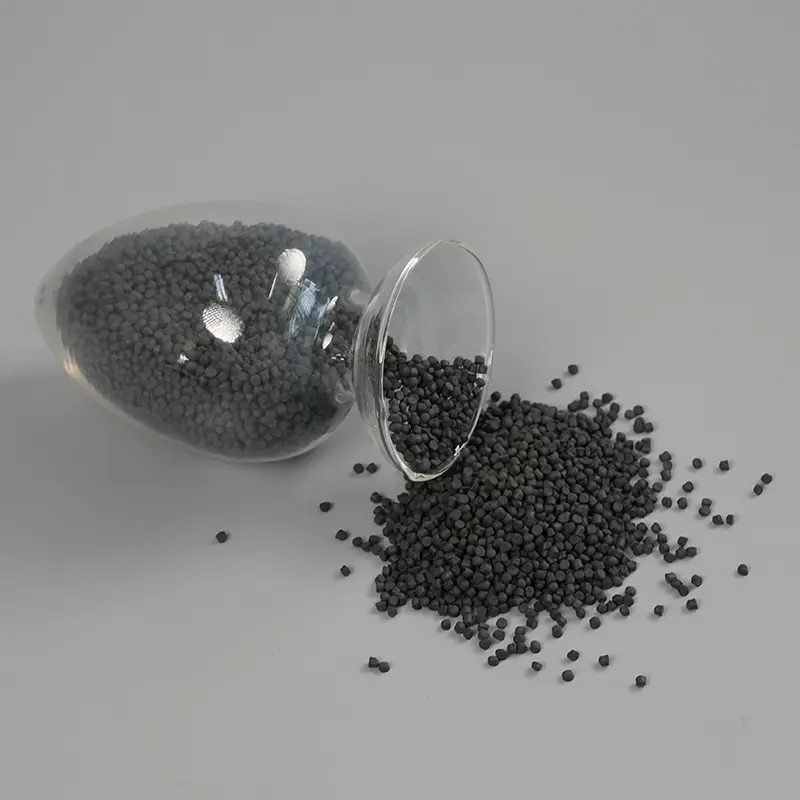
The B1/B2 LSZH flame-retardant sheathing material described in this article is a thermoplastic low-smoke, halogen-free compound developed for construction engineering cables. It combines flame-retardant performance, controlled smoke generation, low acidity, low conductivity of combustion gases, mechanical durability, electrical insulation, thermal stability, and processing convenience. The material is available in several formulations, including DS-WDZH-01A (JZ), DS-WDZH-01B (JZ), DS-WDZH-01 (JZ), and DS-WDZH-02 (JZ), allowing cable manufacturers to select a grade according to application requirements and production conditions.
Produced by Jiangsu Duoshang New Materials Technology Co., Ltd., the compound is designed for customers seeking a stable and application-oriented alternative to conventional PVC or less specialized flame-retardant sheathing materials. Its development reflects the growing demand for cable materials that satisfy both fire safety expectations and environmental requirements while remaining suitable for efficient industrial extrusion.
Why LSZH Sheathing Matters in Construction Engineering
Cables installed in buildings are frequently routed through enclosed or semi-enclosed spaces. They may be placed in walls, ceilings, floors, vertical shafts, cable trays, raised floors, equipment rooms, corridors, stairwells, hospitals, server rooms, and public assembly areas. If a fire occurs, the cable sheath can influence how quickly a flame develops and how much smoke and corrosive gas are released.
Traditional halogen-containing materials can produce hydrogen chloride or other acidic gases when exposed to fire. These gases may irritate the respiratory system and can become corrosive in the presence of moisture. They may also attack sensitive electrical and electronic equipment. In contrast, LSZH compounds are formulated to limit halogen content and reduce the harmful effects associated with burning cable materials.
The purpose of an LSZH compound is not simply to eliminate halogens. A high-quality material must also provide adequate tensile strength, elongation, abrasion resistance, thermal stability, electrical insulation, processing consistency, and long-term reliability. A compound that performs well in a flame test but cracks during installation or fails under thermal cycling cannot provide a dependable cable solution.
The construction-grade material described here addresses these requirements through a balanced formulation. Its typical oxygen index values range from 32% to 35%, indicating that the material requires a relatively oxygen-rich environment to sustain combustion. Its typical flaming smoke density is between 70 and 78, while flameless smoke density ranges from 305 to 320 under the listed test conditions. These values are aligned with the stated requirements of no more than 100 for flaming conditions and no more than 350 for flameless conditions.
The compound also demonstrates low acid gas content, with typical hydrogen chloride and hydrogen bromide content below 0.5%. Its pH values range from 5.1 to 5.2, and conductivity is approximately 1.1 uS/mm. Together, these characteristics support the use of the material in environments where reduced smoke, lower corrosivity, and improved fire safety are important design objectives.
LSZH Flame Retardant Sheathing Material for Construction Engineering (Class B1/B2)
Product Positioning: Thermoplastic B1/B2 LSZH Sheathing Material
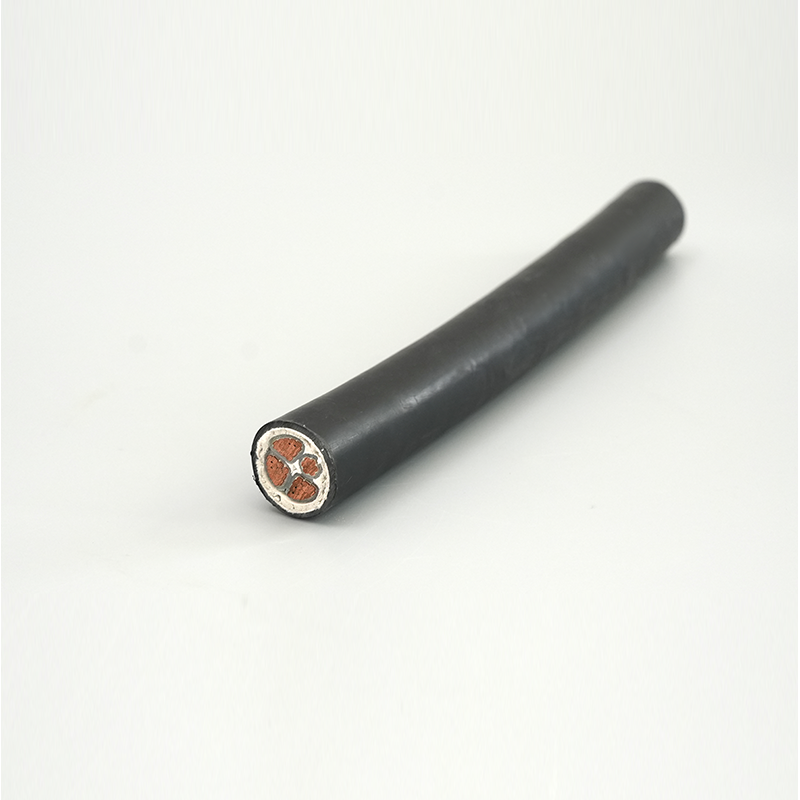
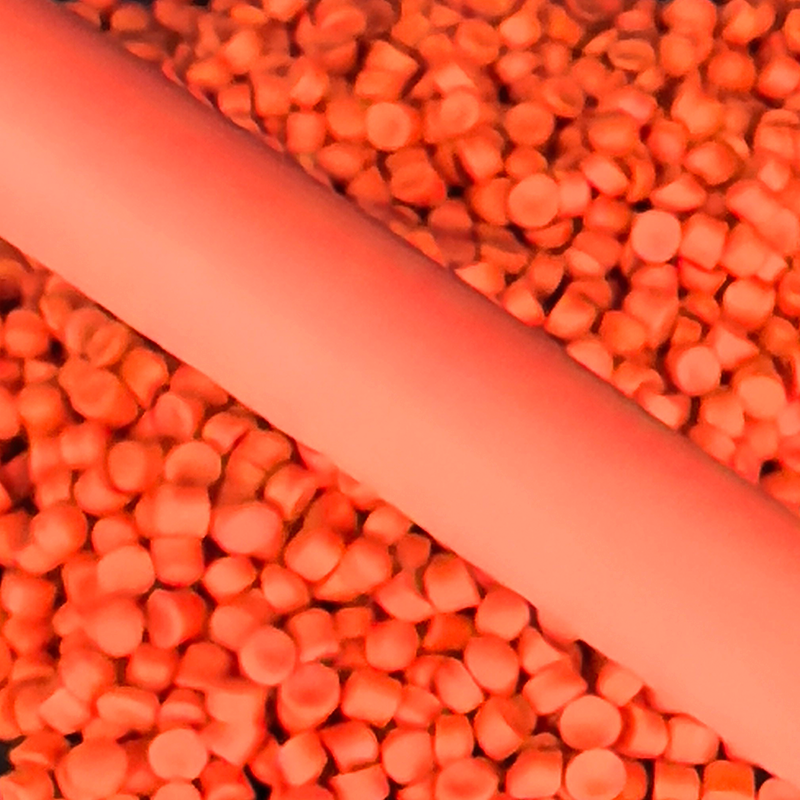
This product is a thermoplastic LSZH sheathing compound intended for construction engineering applications. It is supplied as a processable compound for cable extrusion rather than as a finished cable. Cable manufacturers can use it to form an outer protective sheath around power cables, control cables, communication cables, building wires, and other cable constructions requiring low-smoke, halogen-free performance.
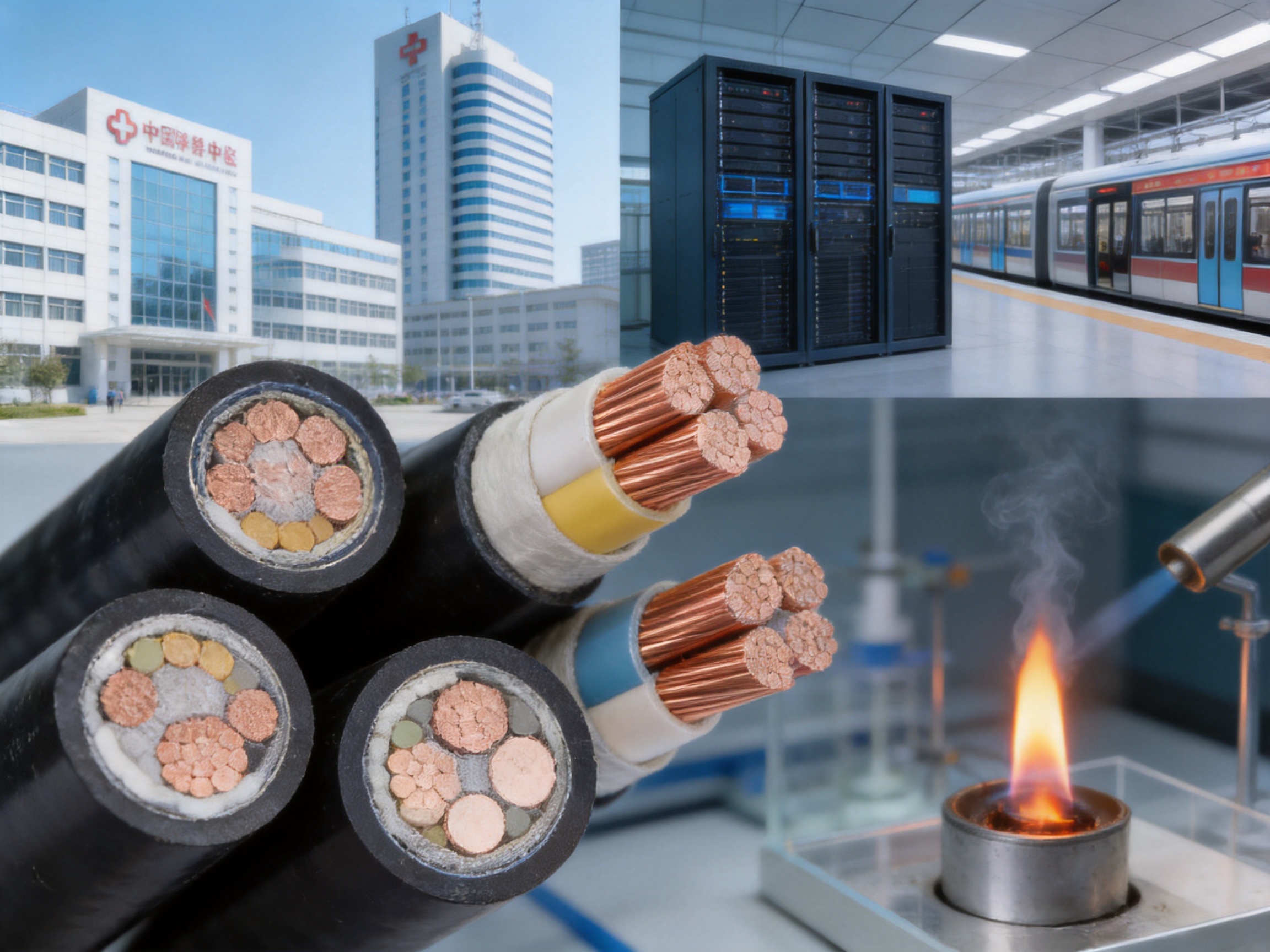
The material is especially suitable for building cable systems used in residential projects, office buildings, shopping centers, hotels, hospitals, schools, public facilities, and commercial complexes. It can also be considered for specialized internal cabling where fire behavior and smoke control are important, subject to the final cable design, applicable certification, and the requirements of the project owner or authority having jurisdiction.
The B1/B2 positioning indicates that the material is intended for building fire safety applications requiring enhanced flame-retardant performance. Final construction classification depends on the complete cable, installation configuration, test method, and applicable regulatory system. For this reason, cable manufacturers should validate the finished cable rather than relying solely on the compound data. Nevertheless, the compound’s oxygen index, smoke density, thermal behavior, and low-acidity characteristics provide a strong material foundation for developing compliant cable constructions.
Core Technical Advantages
High Flame-Retardant Capability
One of the most important advantages of the compound is its high oxygen index. The listed typical oxygen index values are 35% for DS-WDZH-01A (JZ), 35% for DS-WDZH-01B (JZ), 34% for DS-WDZH-01 (JZ), and 32% for DS-WDZH-02 (JZ). All four typical values exceed the stated minimum of 30%.
The oxygen index is an indicator of the minimum oxygen concentration required to support combustion under specified laboratory conditions. Ambient air contains approximately 21% oxygen. A material with an oxygen index substantially above this level generally has a greater tendency to self-extinguish when the external flame source is removed, although oxygen index results should always be interpreted together with other flame tests.
Compared with basic sheathing compounds that provide limited flame resistance, this LSZH formulation is designed to inhibit ignition and reduce the likelihood of sustained burning. Its flame-retardant system is integrated into a polyolefin-based thermoplastic matrix, allowing cable producers to obtain a material that combines fire performance with the flexibility and processability required for cable extrusion.
Reduced Smoke Generation
Smoke is a major hazard during a building fire. Dense smoke can obscure exit signs, make evacuation more difficult, delay rescue operations, and interfere with firefighting. It may also contaminate ventilation systems and sensitive equipment. For this reason, smoke density is an important performance consideration in addition to flame retardancy.
The listed formulations meet the stated smoke density limits in both flaming and flameless conditions. Typical flaming smoke density is 78 for DS-WDZH-01A (JZ), 75 for DS-WDZH-01B (JZ), 70 for DS-WDZH-01 (JZ), and 70 for DS-WDZH-02 (JZ), against a limit of 100. Typical flameless smoke density ranges from 305 to 320, against a limit of 350.
These results indicate that the compound is designed to reduce visible smoke production during different stages of thermal exposure. This is particularly valuable for cables installed in corridors, stairwells, hospitals, transit stations, data centers, and other areas where visibility and operational continuity are important.
Low Halogen and Low Acidity Characteristics
LSZH compounds are selected in part because they can limit the release of halogen-containing gases during combustion. The listed HCl and HBr content for all four grades is below 0.5%, satisfying the stated requirement of no more than 0.5%.
The material also records pH values between 5.1 and 5.2, compared with the stated minimum of 4.3. A higher pH in the designated test system generally reflects lower acidity in the combustion products. In parallel, the conductivity value is approximately 1.1 uS/mm, well below the listed maximum of 10 uS/mm.
Low acidity and low conductivity can help reduce the corrosive impact of fire effluents on metal components, electronic equipment, cable trays, connectors, and other infrastructure. These characteristics are highly relevant in hospitals, data centers, intelligent buildings, control rooms, and industrial facilities containing expensive or safety-critical equipment.
Balanced Mechanical Performance
Fire safety must not come at the expense of mechanical reliability. Cable sheathing is exposed to pulling, bending, abrasion, compression, and installation stress. A material with insufficient tensile strength or elongation may crack, tear, or lose its protective function during cable production and installation.
The four listed grades have typical tensile strengths of 12 to 13 MPa, compared with the stated minimum of 10.0 MPa. Their typical elongation at break ranges from 175% to 180%, above the stated minimum of 160%. This combination provides a useful balance between strength and flexibility.
The elongation values are particularly relevant for cables that must be routed around corners, pulled through conduits, installed in crowded cable trays, or subjected to movement during construction. Adequate elongation can help the sheath accommodate deformation without immediate rupture, while the tensile strength supports resistance to mechanical handling and installation forces.
Stable Performance After Thermal Aging
Building cables may remain in service for many years and may be exposed to elevated temperatures caused by ambient conditions, conductor loading, enclosed installation spaces, or nearby equipment. Thermal aging performance is therefore an important indicator of material durability.
After air thermal aging at 100°C for 168 hours, the listed change rate of tensile strength is between +9% and +12%, within the stated ±25% range. The change rate of elongation is between -5% and -10%, also within the stated ±25% range.
These results show that the material retains a stable mechanical profile after the specified aging treatment. The relatively limited change in elongation suggests that the sheath remains sufficiently flexible after exposure, while the tensile strength results indicate that the material does not suffer unacceptable deterioration under the test conditions.
Resistance to Thermal Deformation and Thermal Shock
The compound records thermal deformation values of 7% to 10% under the stated 90°C for one-hour test, comfortably below the maximum requirement of 50%. Lower deformation supports dimensional stability during storage, installation, and service.
All four grades also pass the 130°C thermal shock resistance test without cracking. This is important because cable sheaths can experience rapid temperature changes during extrusion, cooling, installation near heat sources, or abnormal operating conditions. Resistance to cracking helps preserve electrical insulation and environmental protection.
Electrical Insulation
Although the primary purpose of the material is protective sheathing, it must also maintain suitable electrical properties. The listed volume resistivity at 20°C is approximately 1.5 × 10¹³ to 1.6 × 10¹³ ohm-centimeters, compared with a stated requirement of 1.0 × 10¹² ohm-centimeters.
High volume resistivity supports the electrical separation of conductors and helps limit leakage current through the sheath. Cable manufacturers should still evaluate dielectric strength, insulation resistance, dimensional construction, conductor compatibility, and finished-cable requirements as part of the complete product qualification process.
Ozone and Low-Temperature Resistance
The compound passes the listed ozone resistance test at 25°C for 24 hours at 300 ppm without cracking. This characteristic can be beneficial in installations where cables may encounter ozone generated by electrical equipment, high-voltage systems, ultraviolet-related oxidation, or industrial environments.
All four grades also pass the low-temperature brittleness test at -25°C. This provides a practical indication that the material can maintain resistance to brittle fracture under moderately cold conditions. Actual installation temperature limits should be established according to the finished cable design and the manufacturer’s handling recommendations.
| Property | Requirement | DS-WDZH-01A (JZ) | DS-WDZH-01B (JZ) | DS-WDZH-01 (JZ) | DS-WDZH-02 (JZ) |
| Density | Not specified | 1.48 g/cm³ | 1.48 g/cm³ | 1.48 g/cm³ | 1.49 g/cm³ |
| Tensile strength | At least 10.0 MPa | 13 MPa | 13 MPa | 13 MPa | 12 MPa |
| Elongation at break | At least 160% | 175% | 175% | 180% | 180% |
| Oxygen index | At least 30% | 35% | 35% | 34% | 32% |
| Thermal deformation | Maximum 50% | 7% | 8% | 10% | 10% |
| Flaming smoke density | Maximum 100 | 78 | 75 | 70 | 70 |
| Flameless smoke density | Maximum 350 | 310 | 318 | 305 | 320 |
| Volume resistivity at 20°C | At least 1.0 × 10¹² ohm-cm | 1.6 × 10¹³ ohm-cm | 1.6 × 10¹³ ohm-cm | 1.5 × 10¹³ ohm-cm | 1.5 × 10¹³ ohm-cm |
| Low-temperature brittleness | -25°C | Pass | Pass | Pass | Pass |
| pH | At least 4.3 | 5.2 | 5.1 | 5.2 | 5.1 |
| HCl and HBr content | Maximum 0.5% | Below 0.5% | Below 0.5% | Below 0.5% | Below 0.5% |
| Conductivity | Maximum 10 uS/mm | 1.1 uS/mm | 1.1 uS/mm | 1.1 uS/mm | 1.1 uS/mm |
How the Formulations Compare
The four listed grades share the same general product platform but offer modest differences in typical performance. DS-WDZH-01A (JZ) and DS-WDZH-01B (JZ) provide the highest listed oxygen index at 35%. DS-WDZH-01 (JZ) combines an oxygen index of 34% with the lowest typical flameless smoke density of 305 and a high elongation at break of 180%. DS-WDZH-02 (JZ) offers the same 180% typical elongation while maintaining an oxygen index of 32% and a tensile strength of 12 MPa.
These differences allow cable manufacturers to select a formulation according to the priorities of a particular project. A cable specification emphasizing flame-retardant margin may favor one of the grades with the higher oxygen index. An application placing greater emphasis on flexibility or smoke performance may lead to consideration of another grade. Processing behavior, extrusion speed, color requirements, cable dimensions, conductor design, and customer certification requirements should also be included in the selection process.
Because typical values are not the same as guaranteed production limits, users should request the current technical data sheet, certificate information, and batch quality documentation before final approval. Product selection should be confirmed through trial extrusion and finished-cable testing.
Advantages Compared with Conventional Alternatives
Compared with Conventional PVC Sheathing
PVC remains widely used because of its established processing methods, broad availability, and cost advantages. However, conventional PVC may release halogen-containing acidic gases and substantial smoke when exposed to fire. In facilities where evacuation time, visibility, equipment protection, and low-corrosivity fire behavior are critical, LSZH technology can offer a more suitable safety profile.
The thermoplastic LSZH compound provides low HCl and HBr content, lower smoke density, controlled pH, and low conductivity while retaining the mechanical properties needed for cable sheathing. This makes it a strong candidate for projects where environmental and fire-safety specifications go beyond the capabilities of ordinary PVC.
Compared with Basic Halogen-Free Compounds
Not every halogen-free compound provides the same level of flame retardancy, smoke control, or mechanical stability. Some basic formulations may achieve low halogen content but have insufficient tensile strength, excessive thermal deformation, poor extrusion stability, or limited low-temperature flexibility.
The product described here is differentiated by its balanced performance profile. It combines oxygen index values of 32% to 35%, smoke density within the stated limits, tensile strength of 12 to 13 MPa, elongation of 175% to 180%, low thermal deformation, no cracking in thermal shock testing, and high volume resistivity. This balance can help cable producers avoid solving one performance issue at the expense of another.
Compared with Highly Specialized Cross-Linked Materials
Cross-linked materials can deliver excellent thermal and mechanical performance, but they may require more complex processing, specialized equipment, longer production cycles, or additional control of cross-linking conditions. A thermoplastic LSZH compound can provide a more straightforward processing route for cable manufacturers whose products do not require cross-linked insulation or sheathing.
Thermoplastic processing also supports reprocessing considerations, faster production adjustments, and simpler color or size changes compared with some cross-linkable systems. The correct choice depends on the cable’s voltage rating, operating temperature, mechanical demands, fire classification, and applicable standards. For many construction cable applications, a high-performance thermoplastic LSZH sheath provides an effective balance between safety, productivity, and cost control.
Manufacturing Strengths and Process Control
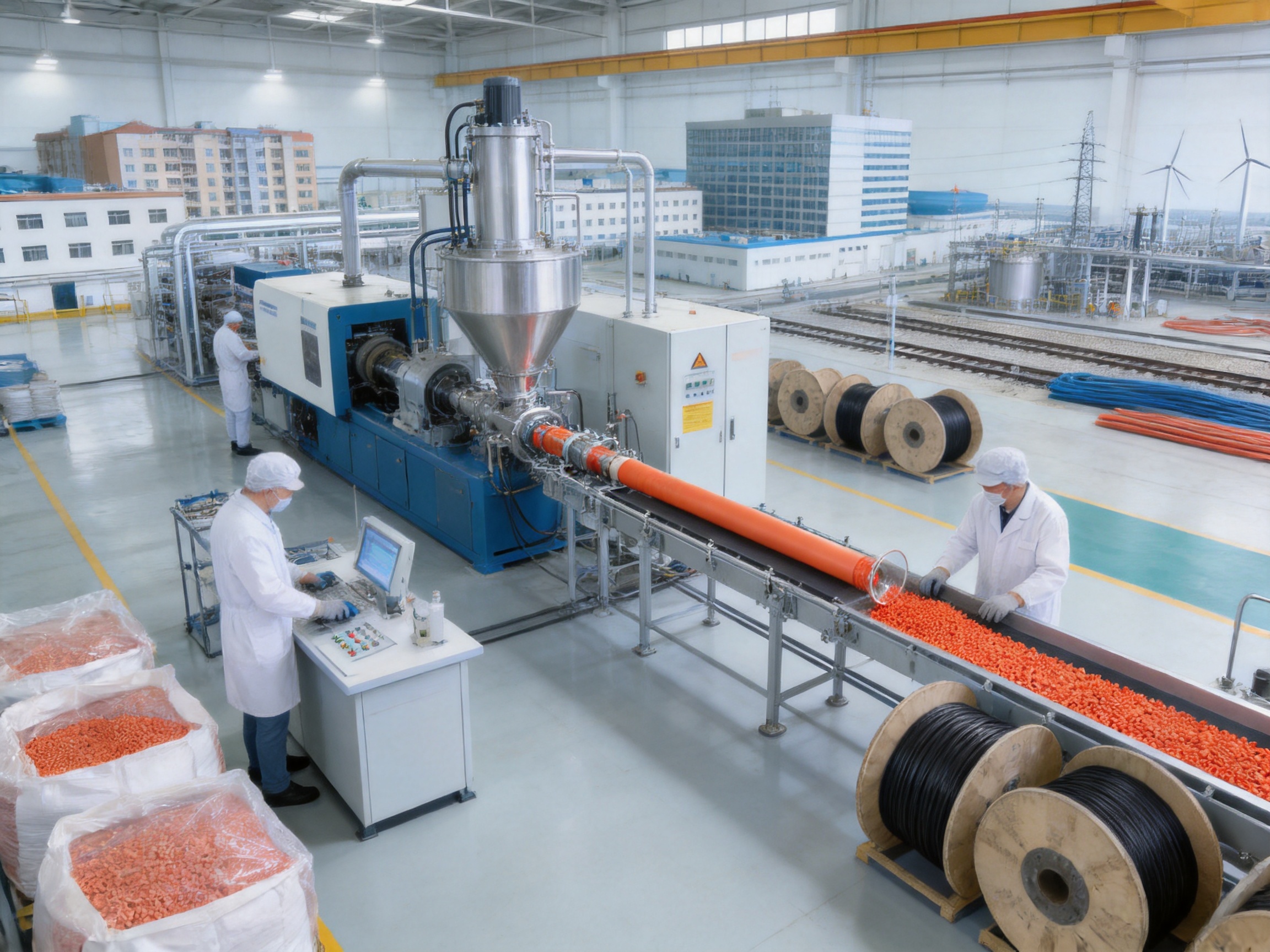
Material performance is closely connected to manufacturing discipline. LSZH compounds typically contain a polymer matrix, flame-retardant components, smoke-control additives, stabilizers, processing aids, pigments, and other functional ingredients. The final performance depends on the consistency of raw materials, accurate formulation, dispersion quality, moisture control, temperature management, pelletizing, and packaging.
Jiangsu Duoshang New Materials Technology Co., Ltd. specializes in the research, development, production, and sales of polyolefin cable compounds. The company operates a research and development center of more than 3,000 square meters, supported by research equipment valued at more than RMB 35 million. Its professional R&D team includes more than 30 members, including five doctors and technical personnel recognized through provincial and municipal talent programs.
This research capability is significant for LSZH products because cable compound development requires more than basic polymer blending. Formulators must understand the interaction between flame-retardant packages and the polymer matrix, the influence of additive loading on elongation, the effect of moisture on extrusion, and the relationship between processing temperature and surface quality. Laboratory-scale development, pilot trials, and production verification are all important for achieving repeatable results.
The company operates two production bases covering more than 15,000 square meters, with more than ten production lines for polyolefin cable compounds. Multiple production lines can support a broader range of formulations, production volumes, colors, and customer requirements. They can also contribute to supply continuity by providing production flexibility and reducing dependence on a single line or processing configuration.
A controlled manufacturing process normally includes incoming inspection of polymer and additive materials, weighing and batching according to an approved formulation, high-efficiency mixing, melt compounding, filtration where appropriate, controlled cooling, pelletizing, drying, screening, and packaging. Each stage must be managed to prevent contamination, ensure uniform dispersion, and maintain the physical properties expected by cable manufacturers.
For LSZH compounds, moisture control is especially important. Many inorganic flame-retardant components can absorb moisture or affect melt processing if not properly handled. Excessive moisture may lead to surface defects, bubbles, poor dispersion, unstable extrusion, or inconsistent electrical properties. Appropriate raw-material storage, pre-drying where required, sealed transfer, and controlled packaging help protect product quality.
Compounding temperature and shear must also be carefully balanced. Too little shear can result in inadequate additive dispersion and uneven flame performance. Excessive temperature or residence time can degrade the polymer or additives, causing discoloration, odor, reduced mechanical properties, or unstable melt behavior. A robust production process therefore requires defined operating windows and monitoring of torque, temperature, throughput, pressure, and pellet quality.
Quality control should extend beyond a single laboratory result. Batch-level inspection may include appearance, density, tensile strength, elongation, moisture, melt flow behavior, ash or additive consistency, electrical properties, and selected flame or smoke indicators. Periodic type testing can then verify broader performance such as thermal aging, thermal shock, ozone resistance, low-temperature brittleness, pH, conductivity, and smoke density.
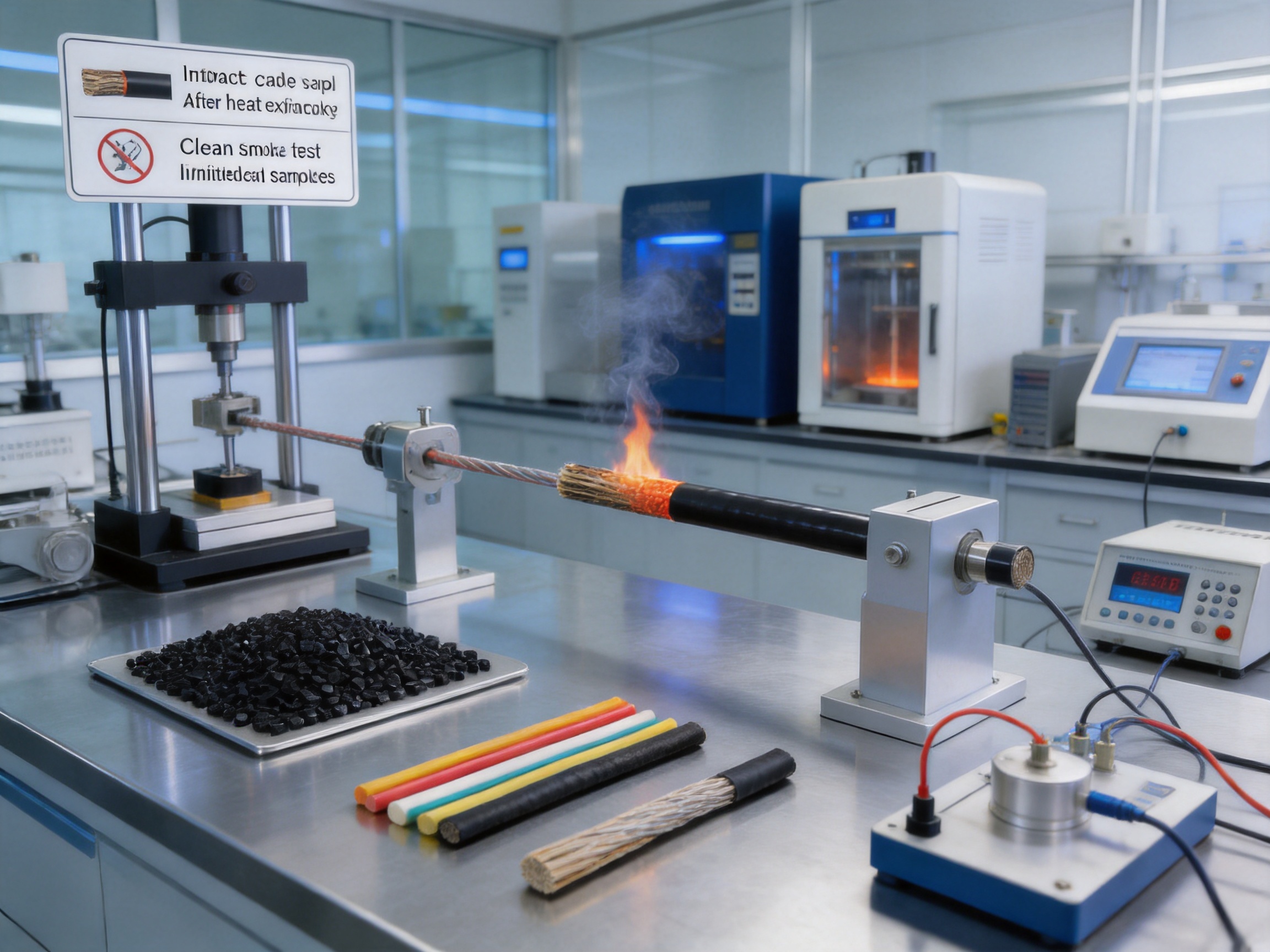
Research and Testing Support
The company’s technical resources support application-oriented development rather than a one-size-fits-all approach. Different cables require different combinations of flexibility, surface finish, extrusion speed, color stability, adhesion, temperature resistance, and flame performance. A compound that is suitable for a small communication cable may not be optimal for a larger power cable or a tightly packed building wire.
Technical collaboration can include reviewing cable construction, conductor material, insulation layers, extrusion equipment, screw configuration, cooling conditions, line speed, and target wall thickness. These details help determine whether a grade should be adjusted or whether processing parameters should be optimized before a formulation change is considered.
Application support is particularly valuable when a customer is transitioning from PVC or another LSZH material. The processing window, die design, melt temperature, cooling sequence, and take-up tension may need to be adjusted. A structured trial plan can reduce development time and help identify the best combination of material and equipment settings.
Processing Considerations for Cable Manufacturers
The material is intended for thermoplastic extrusion, but exact processing parameters should be established through equipment-specific trials. Factors such as screw design, compression ratio, barrel configuration, die geometry, line speed, cable diameter, cooling capacity, and ambient humidity can influence the result.
Before production, the compound should be inspected for packaging integrity, contamination, unusual moisture, and pellet uniformity. Materials should be stored in a clean, dry environment and protected from prolonged exposure to heat, water, and direct sunlight. The recommended storage period and any pre-drying requirements should be confirmed with the supplier’s current technical documentation.
During extrusion, operators should monitor melt pressure, melt temperature, surface appearance, dimensional stability, eccentricity, and cooling behavior. Excessive temperature may damage the compound or increase smoke and odor during processing, while insufficient melting or mixing may lead to rough surfaces and poor dispersion. Stable feeding and consistent throughput are important for maintaining uniform sheath thickness.
Cooling conditions should be controlled to prevent distortion and residual stress. Rapid or uneven cooling may affect roundness, surface quality, and dimensional stability. Take-up tension should also be appropriate for the cable size and sheath design. Excessive tension can reduce final diameter or create stress in the sheath, while insufficient tension may produce dimensional variation.
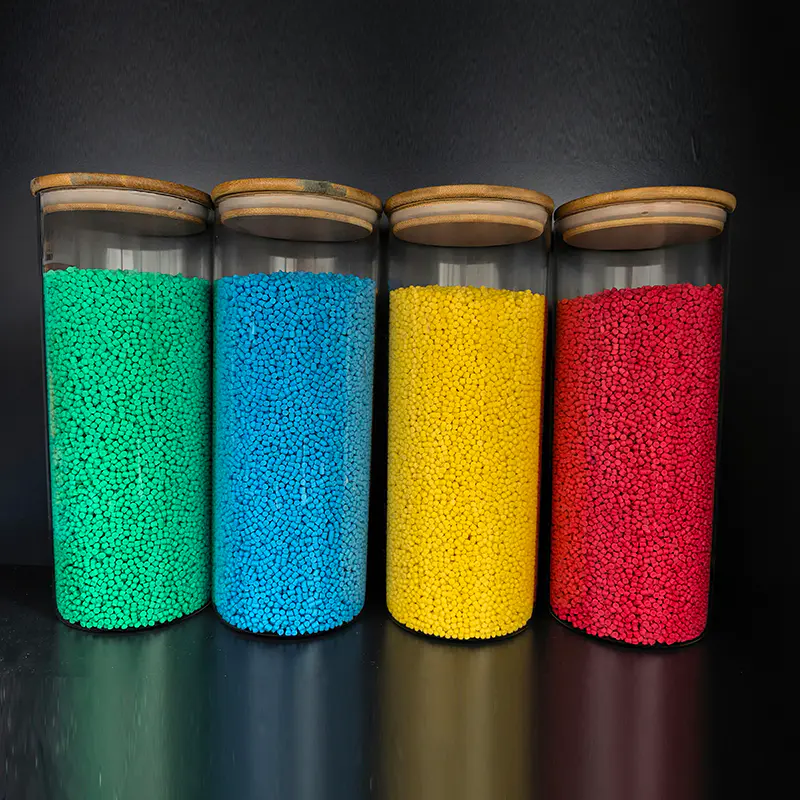
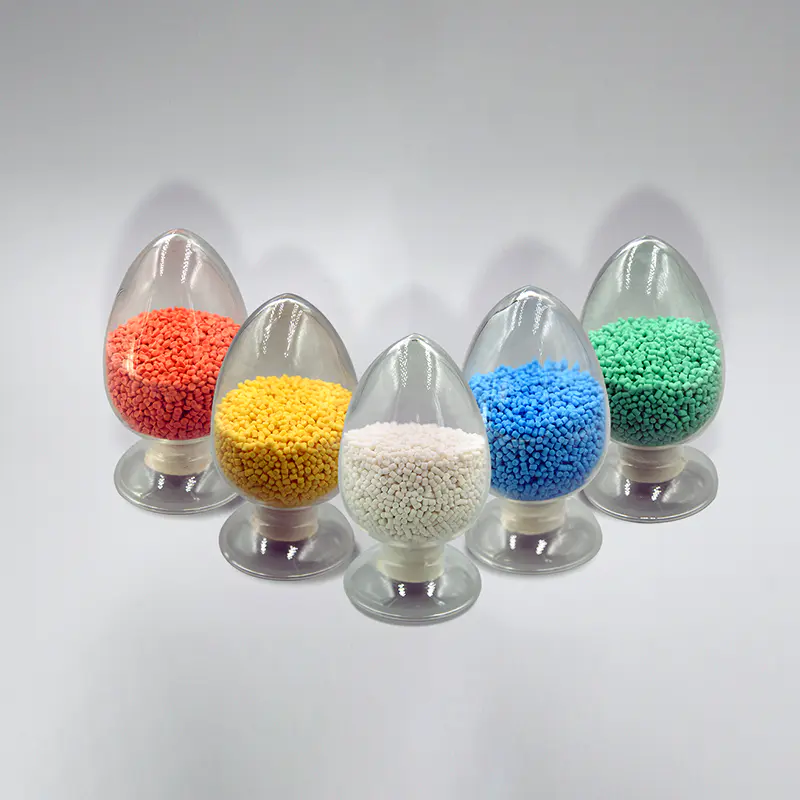
Color matching and pigmentation should be managed carefully. Pigments and masterbatches can affect flame performance, mechanical properties, and processing behavior. Any color additive should therefore be evaluated as part of the complete formulation rather than treated as an independent visual component.
Finished-cable validation should include dimensional inspection, tensile and elongation testing, insulation and sheath resistance testing, thermal aging, flame testing, smoke testing, and any project-specific requirements. The compound data provides a material reference, but final compliance belongs to the completed cable construction.
Environmental and Regulatory Considerations
The product information identifies compliance with environmental requirements such as GB/T 32129-2015, RoHS 2.0, and REACH. These references are important to cable manufacturers serving construction, infrastructure, electronics, and international markets.
RoHS-related requirements generally restrict certain hazardous substances in electrical and electronic products. REACH addresses chemical substance registration, evaluation, authorization, and restriction in the European market. Environmental compliance should be supported by current declarations, test reports, supplier statements, and material documentation applicable to the specific production batch or formulation.
GB/T 32129-2015 is associated with environmental and low-smoke, halogen-free cable material requirements in China. Users should confirm the exact scope and edition applicable to their project, along with any additional national, regional, building, or fire-classification requirements.
Environmental compliance is increasingly considered alongside fire performance, durability, and supply-chain transparency. A suitable compound should not only meet a laboratory requirement but also be supported by documented raw-material control, traceability, stable production, and responsible technical communication.
Applications in Residential and Commercial Buildings
In residential buildings, LSZH sheathing can be used for cables installed in apartments, corridors, service shafts, basements, parking structures, and shared utility areas. Reduced smoke and low-acidity characteristics are valuable where residents may need to evacuate through enclosed spaces.
Commercial complexes often contain a dense mixture of power, lighting, control, security, communication, and data cables. Shopping centers, hotels, office towers, and mixed-use developments may also contain large numbers of occupants and sensitive equipment. A low-smoke, halogen-free sheath can help improve the fire-safety profile of these cable systems.
Hospitals present particularly demanding requirements. Patients may have limited mobility, while medical equipment can be sensitive to corrosive contamination. Cable materials used in patient areas, operating departments, diagnostic facilities, control rooms, and emergency systems should be selected with careful consideration of smoke, acidity, flame behavior, mechanical durability, and maintenance requirements.
Schools, transport hubs, public venues, and government buildings likewise benefit from cable materials designed to limit smoke and corrosive gases. These facilities may experience high occupancy, complex evacuation routes, and significant dependence on emergency communication and control systems.
Supply Capacity and Customer Support
A technically strong compound is most valuable when it can be supplied consistently. Duoshang’s two production bases and more than ten polyolefin compound production lines provide a foundation for volume production, product diversification, and supply planning. The company’s portfolio includes more than 50 varieties across eight major categories, including UV-crosslinked, silane cross-linkable, irradiation cross-linked, thermoplastic LSZH flame-retardant, polyethylene sheath, and other specialized cable compounds.
This breadth allows customers to work with a supplier that understands multiple cable-material technologies rather than a producer focused on only one formulation. It can also support material matching across different cable families, helping customers reduce unnecessary changes in sourcing and technical communication.
Technical documentation, testing support, and customized formulation development are important advantages for international customers. Cable producers may require product specifications, safety data, compliance declarations, processing recommendations, sample quantities, trial support, and batch quality records. A supplier capable of providing these materials can help streamline qualification and project approval.
Duoshang serves sectors including power, communications, locomotives, photovoltaics, new energy generation, rail transit, marine cables, and other cable-related industries. Experience across these applications can contribute to a broader understanding of how cable compounds behave under different mechanical, thermal, environmental, and regulatory conditions.
Recommended Evaluation Procedure
Customers evaluating the material should begin by defining the target cable application. Important questions include the conductor type, cable size, sheath thickness, operating temperature, expected installation environment, required flexibility, fire classification, smoke requirement, environmental declarations, and production equipment.
The next step is to compare the four available grades against the project priorities. If oxygen index is the primary focus, DS-WDZH-01A (JZ) and DS-WDZH-01B (JZ) have the highest listed typical values. If a combination of high elongation and low flameless smoke density is more important, DS-WDZH-01 (JZ) may be considered. DS-WDZH-02 (JZ) also provides high elongation with a slightly lower typical oxygen index.
Customers should then conduct a controlled extrusion trial. The trial should record material drying conditions, barrel temperatures, screw speed, line speed, die configuration, cooling conditions, sheath diameter, wall thickness, surface appearance, and production stability. The resulting cable should be tested under the applicable technical standard and customer specification.
Finally, the approved grade and process should be documented through a formal qualification record. This may include the material name, grade, supplier, batch number, processing parameters, finished-cable test results, approval date, and change-control requirements. Such documentation supports long-term quality consistency and makes future production easier to manage.
Quality, Traceability, and Long-Term Reliability
Traceability is an important part of cable-material quality. Each batch should be identifiable through production records, raw-material lots, processing history, inspection results, and packaging information. Traceability allows manufacturers to investigate deviations, manage customer complaints, and maintain confidence in long-term supply.
Long-term reliability also depends on the interaction between the compound and the cable design. The sheath must be compatible with adjacent insulation, shielding layers, fillers, tapes, binders, and conductor materials. It must remain stable during storage and service without excessive migration, cracking, shrinkage, or loss of adhesion where adhesion is required.
For critical projects, customers may request periodic requalification or extended aging studies. These can include thermal cycling, humidity exposure, UV exposure, chemical contact, mechanical abrasion, and additional fire testing. The appropriate test plan should reflect the actual installation environment rather than relying only on general material data.
Q&A
What is this product?
It is a thermoplastic low-smoke, zero-halogen flame-retardant sheathing compound for construction engineering cables. It is supplied as a cable compound for extrusion into protective outer sheaths.
What does LSZH mean?
LSZH means low smoke and zero halogen. The term describes materials designed to limit smoke generation and avoid the use of halogen-containing components that can produce corrosive gases during combustion.
Which cable applications are suitable?
The material is intended for various building cables used in residential buildings, commercial complexes, hospitals, offices, schools, public facilities, and other construction engineering applications. Final suitability depends on cable design and project requirements.
What are the main flame-retardant indicators?
The listed typical oxygen index values range from 32% to 35%. The stated requirement is at least 30%. Smoke density also meets the listed limits in flaming and flameless conditions.
How strong and flexible is the compound?
The listed tensile strength values range from 12 to 13 MPa, while elongation at break ranges from 175% to 180%. These typical values exceed the stated requirements of at least 10.0 MPa tensile strength and at least 160% elongation.
Does the material contain halogens?
The product information lists HCl and HBr content below 0.5% for all four grades. Customers should request current compliance documentation for the specific product and batch before final approval.
Can it be used instead of PVC?
It may be considered for applications where low smoke, low halogen content, and reduced corrosivity are required. However, replacement should be validated through extrusion trials, finished-cable testing, fire classification, and project approval.
Which grade should a customer choose?
Grade selection depends on the balance of flame performance, smoke density, flexibility, mechanical properties, processing conditions, and cable construction. DS-WDZH-01A (JZ) and DS-WDZH-01B (JZ) have the highest listed oxygen index, while DS-WDZH-01 (JZ) has the lowest listed flameless smoke density and a high elongation value. A technical evaluation should be completed before selection.
Is the product suitable for outdoor cables?
The material passes the listed ozone resistance test and low-temperature brittleness test at -25°C. Outdoor suitability still depends on ultraviolet exposure, moisture, temperature cycling, installation conditions, and the complete cable design. Additional outdoor testing may be necessary.
What manufacturing support is available?
The supplier provides research and development, production, technical documentation, testing support, stable supply capability, and customized material solutions. Customers can discuss cable structure and processing requirements during grade selection and trial production.
Are the listed figures guaranteed values?
The figures provided are typical values unless otherwise identified as requirements or limits. They should be used for reference and product comparison. Current technical documents, certificates, and batch-specific records should be reviewed for formal qualification.
Conclusion
The B1/B2 LSZH flame-retardant sheathing compound provides a balanced solution for construction engineering cables requiring improved fire behavior and environmental performance. Its key strengths include typical oxygen index values of 32% to 35%, controlled flaming and flameless smoke density, HCl and HBr content below 0.5%, pH values above the stated minimum, low conductivity, tensile strength of 12 to 13 MPa, elongation of 175% to 180%, low thermal deformation, thermal shock resistance without cracking, ozone resistance, low-temperature performance, and high volume resistivity.
Compared with conventional sheathing materials, the compound offers a more complete combination of flame retardancy, smoke control, low acidity, mechanical reliability, and electrical insulation. Compared with less specialized halogen-free materials, it provides a performance profile better aligned with demanding building applications. Its thermoplastic structure also supports practical cable extrusion and production flexibility.
The manufacturing and technical resources behind the product further strengthen its value. A dedicated R&D center, experienced professional team, multiple production bases, more than ten production lines, broad polyolefin compound expertise, and application-oriented support provide a foundation for consistent supply and customized development.
For cable manufacturers, building contractors, distributors, and engineering companies, the material should be evaluated as part of the complete cable system. A well-controlled qualification process, including extrusion trials and finished-cable testing, will help confirm the best grade and processing conditions. When properly selected and processed, this LSZH compound can contribute to safer, cleaner, and more reliable cable installations in modern construction projects.
References
1. GB/T 32129-2015, relevant requirements for low-smoke, halogen-free cable materials and environmental performance.
2. RoHS 2.0, restrictions on hazardous substances in electrical and electronic equipment.
3. REACH, European chemical substance registration, evaluation, authorization, and restriction framework.
4. Product technical data for DS-WDZH-01A (JZ), DS-WDZH-01B (JZ), DS-WDZH-01 (JZ), and DS-WDZH-02 (JZ).
5. General technical principles for thermoplastic polyolefin cable compounds, flame-retardant materials, smoke-density testing, and electrical insulation evaluation.
6. Building fire-safety engineering practices concerning flame spread, smoke generation, evacuation safety, and cable material selection.