English
 Français
 Español
 русский
 عربى
Green Ohm
Green Ohm
Green Ohm
Green Ohm
Green Ohm
Green Ohm
Green Ohm
Green Ohm
Green Ohm
Content
- 1 Why Rail Transit Cable Insulation Requires Specialized Materials
- 2 Material Design Based on Irradiation Cross-Linking
- 3 Key Performance Profile of the Two Representative Grades
- 4 Fire Safety and Low-Smoke Performance
- 5 Mechanical Durability in Vibration and Abrasion Environments
- 6 Thermal Cycling and High-Temperature Stability
- 7 Electrical Insulation Reliability
- 8 Resistance to Oil, Acids, Alkalis, and Environmental Stress
- 9 Advantages Compared with Conventional Competing Material Approaches
- 10 Advanced Manufacturing and Quality-Control Strengths
- 11 Processing and Application Considerations
- 12 Support for Customized Cable Solutions
- 13 Environmental and Operational Value
- 14 Recommended Evaluation Procedure for Cable Manufacturers
- 15 Questions and Answers
- 15.1 What is irradiation-cross-linked LSZH insulation?
- 15.2 Which rail applications are suitable for this material?
- 15.3 What are the two available representative grades?
- 15.4 How do the grades perform mechanically?
- 15.5 What makes the material suitable for enclosed vehicles and tunnels?
- 15.6 Does the material resist thermal deformation?
- 15.7 What electrical properties are reported?
- 15.8 Can the compound be customized?
- 15.9 Why is cross-linking important for rail cables?
- 15.10 Should the compound data be treated as a finished-cable certification?
- 16 Conclusion
- 17 References
- 18 Product: Accelerator Irradiation Cross-linked LSZH Flame Retardant Insulation for Rail Transit (Class B1/B2)
Rail transit systems require cable insulation that can perform reliably under demanding electrical, mechanical, thermal, and fire-safety conditions. Cables installed in trains, subway cars, railway infrastructure, signaling systems, traction equipment, tunnels, and enclosed technical spaces may be exposed to vibration, repeated temperature changes, abrasion, compression, oil contamination, moisture, acidic or alkaline substances, and restricted ventilation. In the event of a fire, the cable insulation must also limit flame spread, smoke generation, corrosive gases, and toxic emissions.
Accelerator irradiation cross-linked LSZH flame-retardant insulation has been developed to address these combined requirements. This material is a low-smoke, halogen-free polyolefin-based compound designed for the insulation of traction and signaling cables used in rail transit applications. Through irradiation cross-linking, the polymer structure is converted from a primarily thermoplastic arrangement into a more stable three-dimensional molecular network. The resulting insulation combines high mechanical strength, controlled thermal deformation, electrical insulation performance, flame retardancy, low smoke density, and resistance to chemical and environmental stress.
The product is available in two representative grades: DS-WDZF-105 (GD) and DS-WDZF-125 (GD). The grades are intended to provide different thermal-performance options for cable manufacturers and system designers. After cross-linking, both grades demonstrate stable tensile properties, strong elongation, low hot extension, zero permanent deformation after cooling in the reported test, high oxygen index, low smoke values, high volume resistivity, and good resistance to corrosive combustion products.
Its value is not limited to a single performance indicator. The principal advantage of the compound is the balanced relationship between fire safety, mechanical durability, thermal stability, process adaptability, and electrical reliability. Many cable materials perform well in one or two of these areas but require compromises in others. A rail transit insulation material must instead maintain a dependable overall performance profile because the operating environment is continuously changing and because cable failure can affect passenger safety, vehicle availability, signaling accuracy, and maintenance costs.
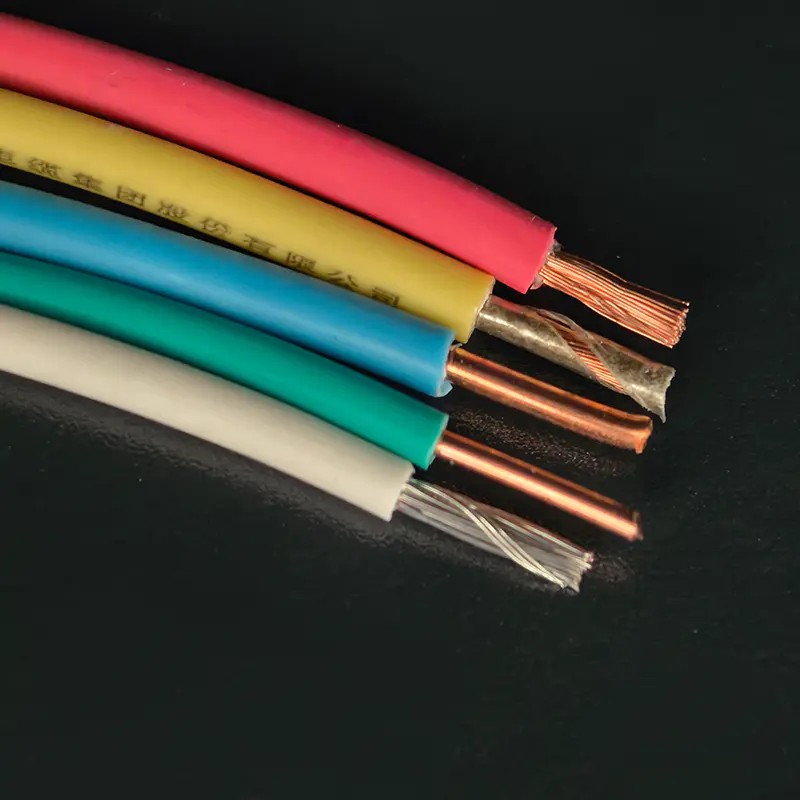
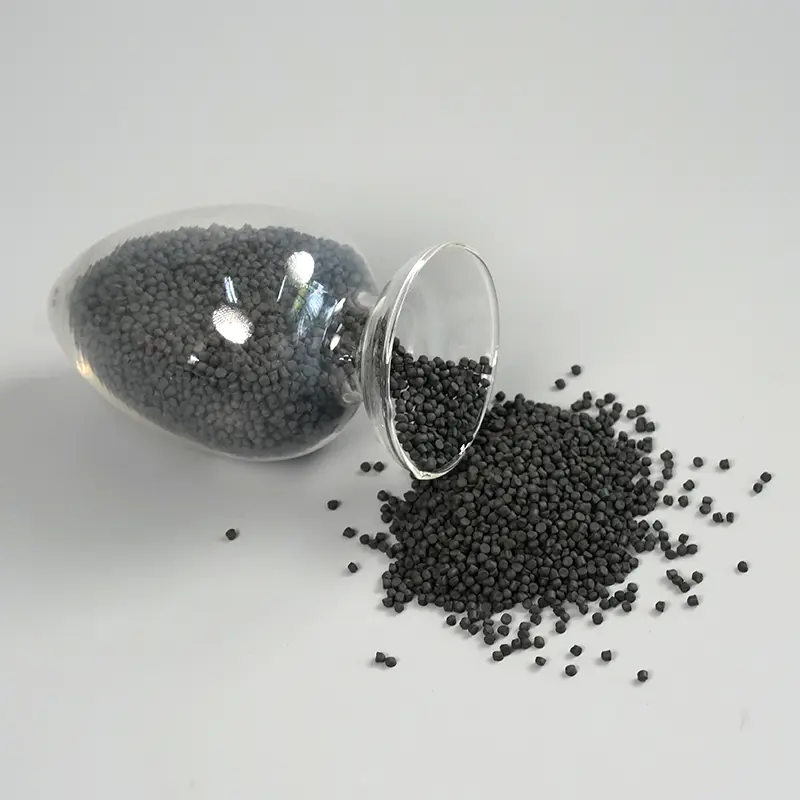
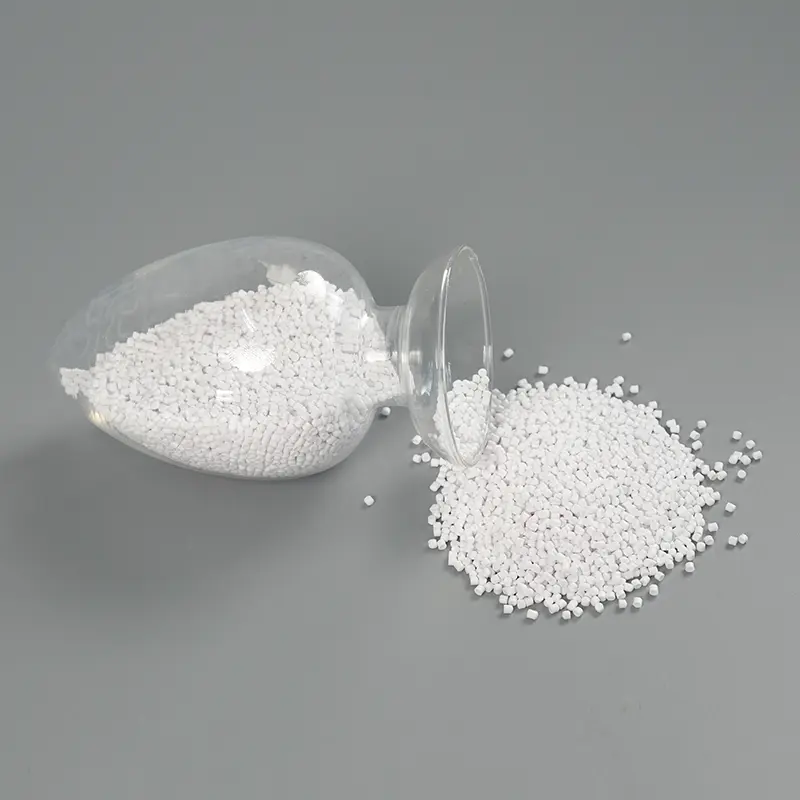
Accelerator Irradiation Cross-linked LSZH Flame Retardant Insulation for Rail Transit (Class B1/B2)
Why Rail Transit Cable Insulation Requires Specialized Materials
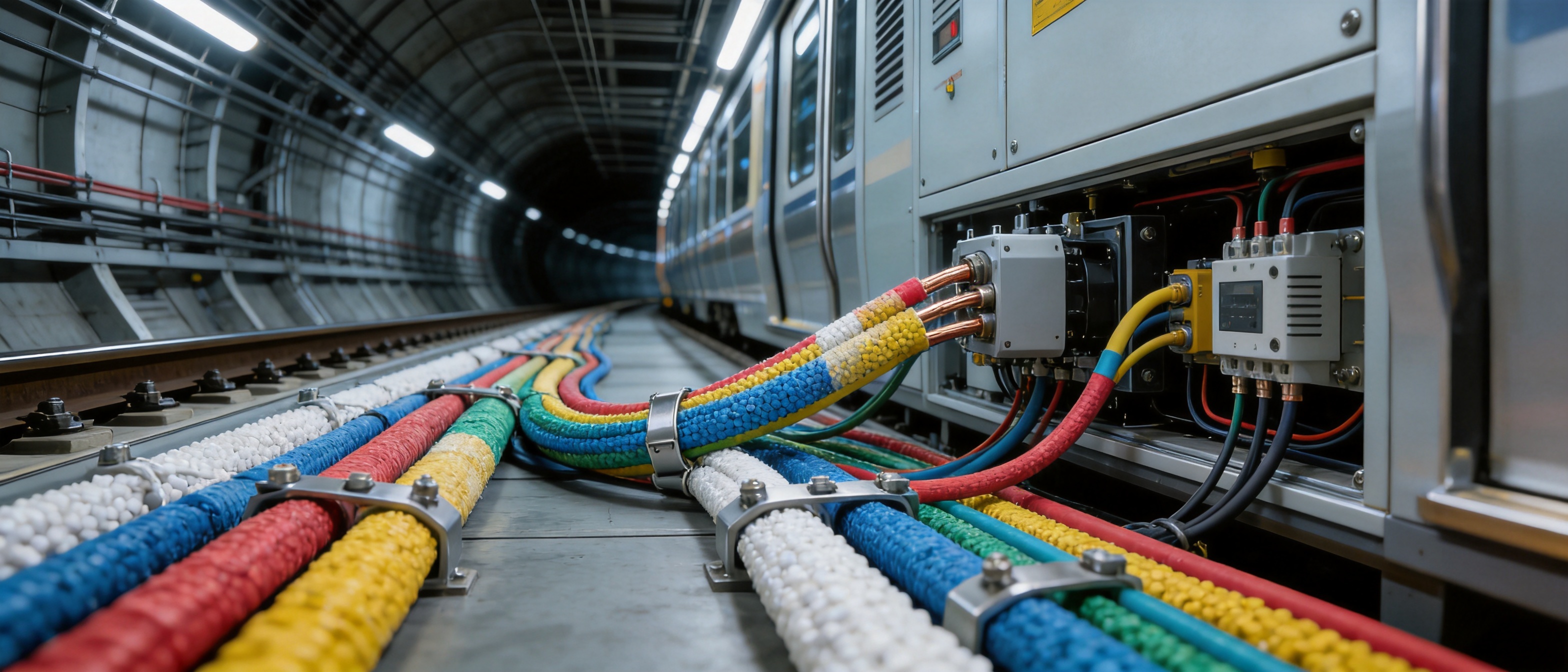
Railway and subway cables operate in conditions that are more severe than those encountered by many general-purpose building or industrial cables. A train may repeatedly accelerate, brake, turn, and pass over uneven track. The cable system may experience vibration and mechanical movement throughout its service life. In a subway tunnel or enclosed vehicle compartment, ventilation may be limited, making smoke and toxic gases especially dangerous during a fire.
Traction cables may carry substantial electrical loads and may be installed close to power-conversion equipment, motors, batteries, and other heat-generating components. Signaling and communication cables may have lower current requirements, but they are equally important because their electrical performance affects train control, route management, passenger information, and operational safety.
In addition to mechanical and thermal stresses, railway cables can encounter lubricants, oils, cleaning chemicals, salt-containing moisture, acidic contaminants, and alkaline substances. Cable insulation must resist these agents without cracking, excessive swelling, loss of flexibility, or substantial deterioration of electrical properties. A material that meets a laboratory specification but degrades rapidly in the field may increase inspection requirements and shorten the service life of the cable system.
Fire behavior is a further critical consideration. Conventional halogen-containing cable compounds can generate dense smoke and corrosive halogen acid gases when exposed to fire. In an enclosed train or tunnel, dense smoke can obstruct evacuation, reduce visibility, and complicate firefighting. Corrosive gases may damage electronic equipment, metal structures, and electrical contacts even after the flame has been extinguished.
Low-smoke, zero-halogen or low-smoke halogen-free materials are therefore widely considered for rail transit applications. However, replacing halogen-based flame-retardant systems with halogen-free technology requires careful formulation. The compound must achieve sufficient flame resistance without sacrificing tensile strength, elongation, processability, electrical insulation, or long-term stability. Irradiation cross-linking provides an additional method for improving the final performance of the insulation after extrusion.
Material Design Based on Irradiation Cross-Linking
Irradiation cross-linking uses controlled high-energy radiation to create bonds between polymer chains after the cable insulation has been extruded. These additional molecular connections form a cross-linked network throughout the insulation. The process does not simply add a surface treatment; when correctly controlled, it changes the physical behavior of the entire insulation layer.
Before cross-linking, the compound can be processed through appropriate extrusion equipment to form a continuous and uniform insulation layer around the conductor. After irradiation, the molecular network improves resistance to heat, deformation, mechanical stress, and environmental exposure. The final cable can therefore maintain its shape and performance more effectively when subjected to temperatures and forces that could cause a conventional thermoplastic insulation to soften or deform.
The cross-linked structure is particularly important for rail transit cables because the insulation may be subjected to frequent thermal cycling. During operation, a cable can heat under load and cool when the load decreases or the vehicle is parked. Repeated expansion and contraction may create internal stress. A dense molecular structure helps the insulation resist permanent deformation and maintain dimensional stability through these cycles.
Irradiation cross-linking also supports a high-temperature cable design without requiring the insulation to become excessively rigid. The reported grades are identified as DS-WDZF-105 (GD) and DS-WDZF-125 (GD), indicating two thermal-performance categories associated with the product family. The exact cable design, conductor size, extrusion conditions, irradiation dose, and application requirements should be confirmed through technical evaluation before production approval.
Relationship Between Cross-Linking and Performance
The benefits of cross-linking are visible in several reported test results. Both grades show hot extension values substantially below the specified maximum. DS-WDZF-105 (GD) records 55% elongation under load, while DS-WDZF-125 (GD) records 45%, against a maximum requirement of 100%. Lower hot extension indicates that the insulation is less likely to flow or elongate excessively under elevated temperature and mechanical load.
Both grades also show 0% permanent deformation after cooling in the reported test. This result indicates that the insulation recovered its shape after the hot-extension procedure rather than retaining a significant residual deformation. For cable manufacturers, this behavior can help preserve insulation dimensions around the conductor and reduce the risk of local thinning or stress concentration.
Cross-linking can also improve resistance to compression tearing, abrasion, and vibration-related damage. These properties are valuable in rail applications where cable bundles may be routed through confined spaces, secured with clamps, bent around equipment, or exposed to repeated movement. The insulation must remain continuous and robust even when the cable is installed in a complicated vehicle or infrastructure layout.
Key Performance Profile of the Two Representative Grades
The following table summarizes the principal reported technical values for DS-WDZF-105 (GD) and DS-WDZF-125 (GD). The values are typical results after cross-linking, as indicated in the supplied product information. Actual production specifications should be confirmed with the technical data sheet and the agreed quality-control documentation.
| No. | Test Item | Unit | Requirement or Standard | DS-WDZF-105 (GD) | DS-WDZF-125 (GD) |
|---|---|---|---|---|---|
| 1 | Specific Gravity | g/cm³ | Not specified | 1.48 | 1.47 |
| 2 | Tensile Strength | MPa | ≥10.0 | 13.5 | 13.8 |
| 3 | Elongation at Break | % | ≥150 | 165 | 170 |
| 4 | Oxygen Index | % | ≥28 | 32 | 32 |
| 5 | Hot Extension at 200°C | % | ≤100 | 55 | 45 |
| 6 | Permanent Deformation after Cooling | % | ≤25 | 0 | 0 |
| 7 | Smoke Density with Flame | — | ≤100 | 55 | 50 |
| 8 | Smoke Density without Flame | — | ≤350 | 325 | 320 |
| 9 | Volume Resistivity at 20°C | Ω·cm | 1.0 × 10¹⁴ | 4.5 × 10¹⁴ | 5.0 × 10¹⁴ |
| 10 | Dielectric Strength | MV/m | ≥20 | 30 | 30 |
| 11 | Impact Brittleness Temperature | °C | -25 | Pass | Pass |
| 12 | pH Value | — | ≥4.3 | 5 | 5 |
| 13 | HCl and HBr Content | % | ≤0.5 | <0.5 | <0.5 |
| 14 | Electrical Conductivity | µS/mm | ≤10 | 0.52 | 0.52 |
The data shows that the two grades are closely matched in several important properties. Both meet the reported tensile-strength and elongation requirements with useful margins. Their oxygen index is 32%, higher than the stated minimum of 28%, supporting the flame-retardant design. Their dielectric strength is 30 MV/m, exceeding the reported minimum of 20 MV/m.
DS-WDZF-125 (GD) shows slightly higher tensile strength and elongation than DS-WDZF-105 (GD), together with lower hot extension and slightly lower reported smoke-density values. These differences may make it attractive for cable constructions that require a higher thermal-performance option or additional resistance to deformation. However, grade selection should be based on the complete cable design rather than on one isolated value.
Fire Safety and Low-Smoke Performance
Fire safety is one of the most important reasons to select an LSZH compound for railway and subway cables. The material has a reported oxygen index of 32% for both grades. The oxygen index is a comparative measure of the minimum oxygen concentration required to sustain combustion under specified test conditions. A higher value generally indicates greater resistance to continued burning in the test environment.
The oxygen index should not be considered a complete description of fire behavior. Flame spread, heat release, smoke production, dripping, toxicity, and corrosivity must also be evaluated under the relevant cable and system standards. Nevertheless, the reported value demonstrates that the compound has been formulated for a high level of flame retardancy.
The reported smoke density is 55 for DS-WDZF-105 (GD) and 50 for DS-WDZF-125 (GD) under the with-flame condition, compared with a maximum of 100. Under the without-flame condition, the values are 325 and 320, respectively, compared with a maximum of 350. These results indicate controlled smoke generation in both test conditions.
Low smoke density is especially valuable in enclosed vehicles and tunnel environments. During an emergency, passengers and crew need to see escape routes, signs, doors, and other people. Reduced smoke can support faster evacuation and improve the ability of emergency personnel to locate the source of a problem. It can also reduce the contamination of ventilation equipment and sensitive electrical components.
The product’s reported HCl and HBr content is below 0.5% for both grades. The pH value is 5, exceeding the stated minimum of 4.3, while electrical conductivity is 0.52 µS/mm against a maximum of 10 µS/mm. These indicators are relevant to the corrosive nature of combustion products. A lower concentration of acidic gases and suitable pH and conductivity results can reduce the potential for corrosive damage to metal components and electronic assemblies.
For final project approval, the compound should be evaluated within the complete cable construction. Fillers, conductor materials, screens, tapes, jackets, and processing conditions can influence the fire behavior of the finished cable. A compound-level test result is an important foundation, but system designers should also complete finished-cable testing according to the applicable railway, vehicle, infrastructure, and customer requirements.
Mechanical Durability in Vibration and Abrasion Environments
Rail transit cables must survive repeated vibration and movement without developing cracks or losing electrical insulation. Cable routes may pass through doors, articulated vehicle sections, underfloor equipment areas, traction cabinets, bogie zones, roof equipment, and tunnel-side installations. The material must remain strong enough to resist installation damage while retaining enough elongation to accommodate bending and movement.
The reported tensile strength is 13.5 MPa for DS-WDZF-105 (GD) and 13.8 MPa for DS-WDZF-125 (GD), exceeding the specified minimum of 10.0 MPa. The elongation at break is 165% and 170%, respectively, compared with a minimum of 150%. This combination of strength and elongation indicates a useful balance between load-bearing capability and ductility.
High tensile strength helps the insulation resist tearing during stripping, handling, bending, and installation. High elongation helps prevent brittle failure when the cable is pulled, flexed, or subjected to localized movement. A compound that is strong but too brittle may crack under installation stress, while a very soft compound may deform or suffer from poor dimensional control. The reported results demonstrate that these grades are designed to avoid both extremes.
The dense cross-linked molecular structure also supports abrasion and compression resistance. Cable insulation can rub against adjacent cables, conduits, clamps, trays, metal edges, or equipment housings. In a moving train, repeated vibration may turn a small contact point into a long-term wear location. Improved resistance to abrasion and compression tearing helps preserve the insulation barrier throughout the service period.
Impact brittleness testing at -25°C is reported as passing for both grades. This is relevant to cold-weather transportation, outdoor railway equipment, unheated storage areas, and installation in regions where temperatures can fall substantially below room temperature. Resistance to impact brittleness reduces the likelihood that the insulation will fracture when handled or struck in a cold condition.
Thermal Cycling and High-Temperature Stability
Rail transit cables may experience different thermal conditions depending on their location and electrical load. Cables near traction motors, converters, braking resistors, battery systems, or roof-mounted equipment can be exposed to elevated temperatures. Cables in tunnels may encounter heat accumulation, while outdoor railway cables may experience rapid changes between hot and cold conditions.
The air thermal-aging results show controlled changes in tensile strength and elongation after exposure. For DS-WDZF-105 (GD), tensile strength changes by +10% after 135°C for 168 hours, while the elongation change is -8%. For DS-WDZF-125 (GD), tensile strength changes by +12% after 158°C for 168 hours, while the elongation change is -15%. These changes remain within the reported ±25% requirement.
Controlled thermal aging indicates that the material retains a substantial portion of its original mechanical performance after elevated-temperature exposure. This does not mean that the cable will experience no change throughout its service life. Rather, it shows that the compound has resistance to accelerated thermal deterioration under the stated test conditions.
The two grade options allow cable manufacturers to consider the thermal requirements of different applications. The DS-WDZF-105 (GD) grade may be selected for installations aligned with its stated temperature category, while DS-WDZF-125 (GD) provides a higher-temperature option. The correct choice depends on conductor temperature, ambient temperature, current load, installation geometry, permissible temperature rise, and the complete cable standard.
Thermal stability also supports dimensional consistency. When insulation softens excessively, it may move away from the conductor, thin at bends, deform under pressure, or lose the intended concentricity of the cable. The reported hot-extension and permanent-deformation results show that the cross-linked insulation is designed to resist these problems under the specified test conditions.
Electrical Insulation Reliability
A flame-retardant material must still provide dependable electrical insulation. Rail transit systems contain high-voltage traction circuits, auxiliary power circuits, control cables, signal circuits, communication systems, and monitoring equipment. Electrical failure in any of these systems can create downtime, maintenance requirements, or operational risk.
The reported volume resistivity at 20°C is 4.5 × 10¹⁴ Ω·cm for DS-WDZF-105 (GD) and 5.0 × 10¹⁴ Ω·cm for DS-WDZF-125 (GD). These high values indicate strong resistance to current leakage through the insulation under the test conditions.
Dielectric strength is reported at 30 MV/m for both grades, compared with a minimum requirement of 20 MV/m. Dielectric strength describes the electrical field that the material can withstand before breakdown under a defined test method. A higher result provides a useful design margin, although the finished cable’s voltage rating must always be determined through complete cable testing and applicable standards.
Electrical performance can be affected by moisture, contamination, voids, filler distribution, extrusion quality, conductor surface condition, and irradiation uniformity. This is why stable compounding and controlled cable production are essential. The material’s laboratory properties create the foundation, but consistent processing is necessary to reproduce those properties in commercial cable production.
The low reported electrical conductivity of 0.52 µS/mm for both grades is also relevant to the low-smoke, halogen-free formulation. Electrical conductivity testing, together with pH and acidic gas measurements, helps characterize the behavior of combustion residues and water-soluble products under the specified method.
Resistance to Oil, Acids, Alkalis, and Environmental Stress
Railway vehicles and infrastructure are exposed to a broad range of substances. Lubricating oil, hydraulic fluid, grease, cleaning products, road contaminants, dust, salts, and moisture may come into contact with cable surfaces. In industrial railway environments, acidic or alkaline contaminants can also be present.
The product is designed to offer resistance to oil, acid, and alkali corrosion. This performance is valuable for traction and signaling cables installed near mechanical assemblies, underfloor equipment, service areas, and maintenance zones. Chemical resistance helps reduce swelling, softening, surface attack, and loss of mechanical integrity.
Chemical resistance should be considered together with temperature and mechanical stress. A cable may be exposed to oil while simultaneously experiencing vibration and elevated temperature. Such combined conditions can be more severe than any single exposure alone. The cross-linked structure helps the insulation maintain a dense and stable morphology, which can reduce the ability of aggressive substances to cause rapid deformation.
For project qualification, cable manufacturers should test the finished cable against the actual fluids expected in service. The exposure time, temperature, concentration, mechanical stress, and acceptance criteria should reflect the application. The compound’s stated resistance provides a strong starting point for this work, but field conditions should guide final validation.
Advantages Compared with Conventional Competing Material Approaches
The product offers several potential advantages when compared with conventional non-cross-linked thermoplastic LSZH compounds. The most important difference is the molecular network formed through irradiation. A conventional thermoplastic may soften more readily under sustained heat and mechanical load, while the cross-linked compound is designed to retain shape and resist hot deformation.
This distinction can be important in cable applications where the insulation is compressed by clamps, bent around small radii, or installed close to heat-producing equipment. The reported hot-extension results of 55% and 45%, together with zero permanent deformation after cooling, demonstrate the product’s ability to resist deformation more effectively under the stated test conditions.
Compared with halogen-containing flame-retardant materials, the LSZH design offers advantages in smoke and corrosive-gas control. The reported smoke-density values, pH results, HCl and HBr content, and electrical conductivity values support its suitability for enclosed rail environments where smoke visibility and equipment corrosion are important concerns.
Compared with some highly rigid flame-retardant compounds, the material maintains elongation values of 165% and 170%. This supports easier cable handling and resistance to bending-related damage. A cable insulation that combines flame retardancy with useful flexibility can reduce the risk of cracks during routing and installation.
Compared with lower-performance general-purpose polyolefin compounds, the product is designed specifically around rail transit requirements. Its performance profile includes high oxygen index, low smoke, thermal aging resistance, electrical insulation, low-temperature impact resistance, and chemical resistance. This multi-property design can reduce the need to combine several different material systems within one project.
Competitor comparisons should always be based on equivalent test methods, complete data sheets, and finished-cable results. No compound should be selected solely because it has a higher value in one category. The practical advantage of this product is its balanced profile across fire safety, thermal stability, mechanics, and electrical reliability.
Advanced Manufacturing and Quality-Control Strengths
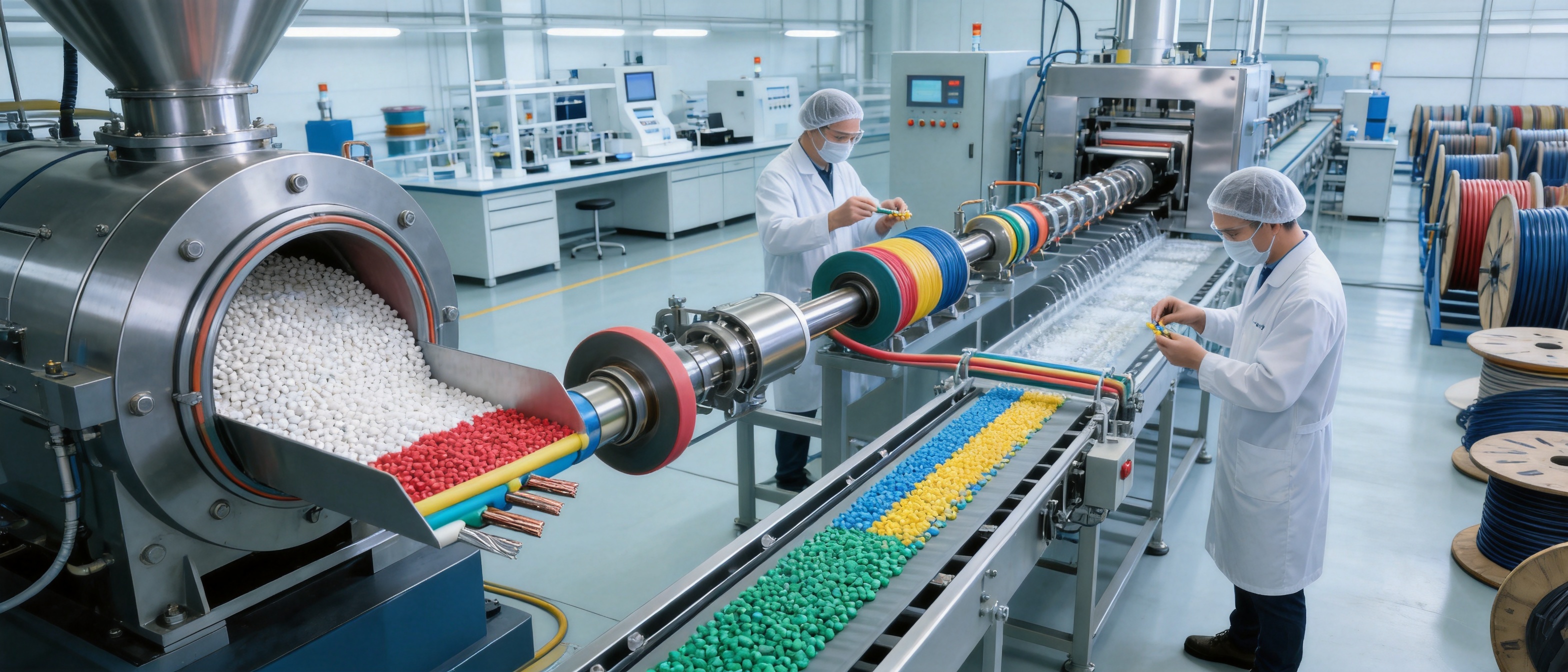
Reliable cable compound production depends on more than the formulation itself. It requires controlled raw-material handling, accurate dosing, efficient dispersion, stable extrusion, controlled pelletizing, consistent packaging, and systematic laboratory verification. The manufacturing organization behind this product operates more than ten production lines for polyolefin cable compounds across two production bases covering more than 15,000 square meters.
The company also operates an R&D center of more than 3,000 square meters, equipped with research equipment valued at more than RMB 35 million. A professional research and development team of more than 30 members, including five doctors and recipients of provincial and municipal talent awards, supports product development and technical improvement.
This level of research infrastructure is important for irradiation-cross-linked LSZH materials because formulation optimization requires the study of multiple variables. These variables can include polymer selection, flame-retardant loading, compatibilizer levels, antioxidant systems, colorants, processing aids, filler dispersion, melt flow behavior, extrusion temperature, irradiation dose, and post-cross-linking mechanical performance.
Laboratory facilities also support the comparison of grades and the investigation of failure modes. If a cable shows reduced elongation, surface roughness, poor concentricity, smoke variation, or inconsistent electrical properties, an experienced R&D team can analyze the relationship between compounding conditions, processing parameters, and finished-cable performance.
The product portfolio includes UV-cross-linked compounds, silane cross-linkable compounds, irradiation-cross-linked compounds, thermoplastic LSZH flame-retardant compounds, polyethylene sheath compounds, and other specialized materials. This broad portfolio allows technical teams to compare different cross-linking routes and select a material system according to the cable application rather than forcing every customer toward one technology.
Production scale is another practical strength. More than ten production lines can support different product categories, customer specifications, and batch requirements. Stable supply capacity is particularly important for rail projects, which may require repeat deliveries over an extended production and maintenance cycle. Consistent raw-material sources, documented process control, and batch traceability are essential for maintaining uniform cable performance.
From Formulation to Finished Pellet
A typical manufacturing workflow begins with the inspection and preparation of polymer resins, flame-retardant components, stabilizers, and functional additives. Materials are weighed according to the formulation and introduced into a mixing or compounding system. The objective is to disperse all components uniformly while controlling heat history and avoiding premature degradation.
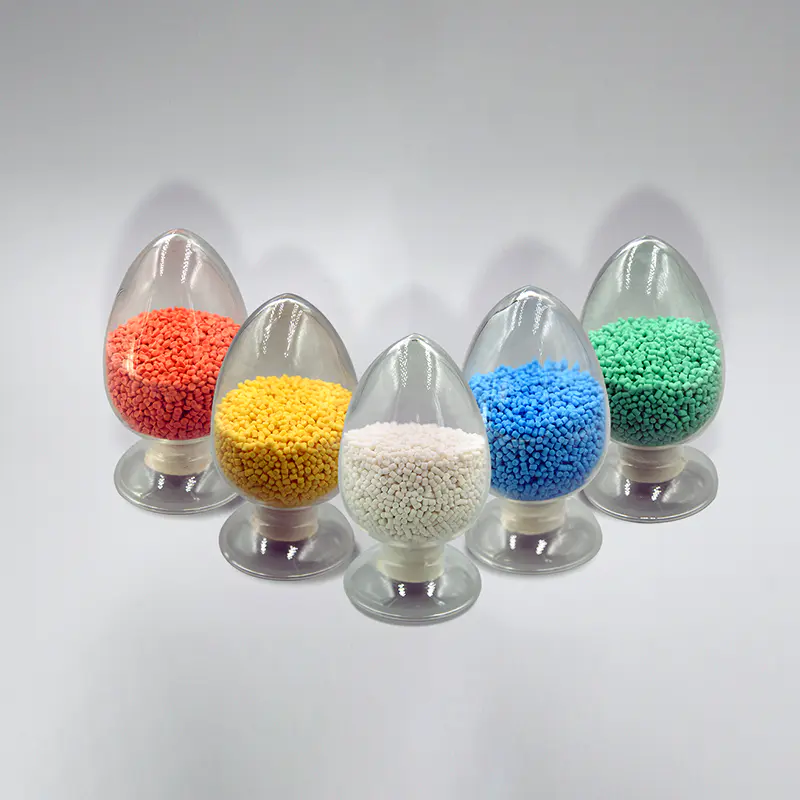
After compounding, the melt is filtered or otherwise screened as appropriate, formed into strands or another controlled shape, cooled, and pelletized. Pellet size and appearance should be consistent because they influence feeding stability during the customer’s extrusion process. Finished pellets are then packaged to protect them from moisture and contamination during storage and transportation.
Quality control may include testing of specific gravity, tensile strength, elongation, oxygen index, thermal aging, hot extension, smoke density, volume resistivity, dielectric strength, impact brittleness, pH, acidic gas content, and electrical conductivity. The supplied product data demonstrates that these properties are part of the product’s performance evaluation framework.
For irradiation-cross-linked applications, the customer’s cable process is also important. The insulation must be extruded with suitable surface quality and dimensional control before irradiation. The irradiation dose must be selected to achieve the intended cross-link density without causing excessive degradation. Technical cooperation between compound supplier and cable manufacturer can therefore improve first-pass qualification and production consistency.
Processing and Application Considerations
Cable manufacturers should establish extrusion conditions through trials rather than relying on a universal temperature profile. Screw design, compression ratio, line speed, die geometry, conductor preheating, cooling conditions, and melt temperature can affect surface appearance, concentricity, adhesion, and electrical performance.
Moisture control is important for consistent processing. The compound should be stored and handled according to the supplier’s recommendations. Packaging should remain sealed until use, and material exposed to excessive humidity or contamination should be assessed before entering production.
After extrusion, the cable should be prepared for irradiation according to the selected cross-linking process. Dose uniformity is critical because under-cross-linked areas may show lower thermal and mechanical performance, while excessive exposure can reduce elongation or cause unwanted degradation. Cable diameter, insulation thickness, line arrangement, irradiation equipment, and production speed all influence dose distribution.
Finished cable inspection should include dimensional checks, visual examination, spark testing where applicable, mechanical testing, electrical testing, and verification after aging or environmental exposure. These tests help confirm that the compound’s performance is reproduced in the actual cable design.
The compound can be considered for traction cables, signaling cables, control cables, auxiliary power cables, communication cables, and other rail transit cable constructions where LSZH flame retardancy and cross-linked thermal stability are required. It may also be evaluated for subway, tunnel, rolling-stock, railway station, depot, and associated infrastructure applications.
Material selection should be based on the required thermal class, voltage level, conductor construction, insulation thickness, bending radius, installation location, fire-safety requirements, and expected environmental exposure. The DS-WDZF-105 (GD) and DS-WDZF-125 (GD) grades provide options, but the final grade should be confirmed through application testing.
Support for Customized Cable Solutions
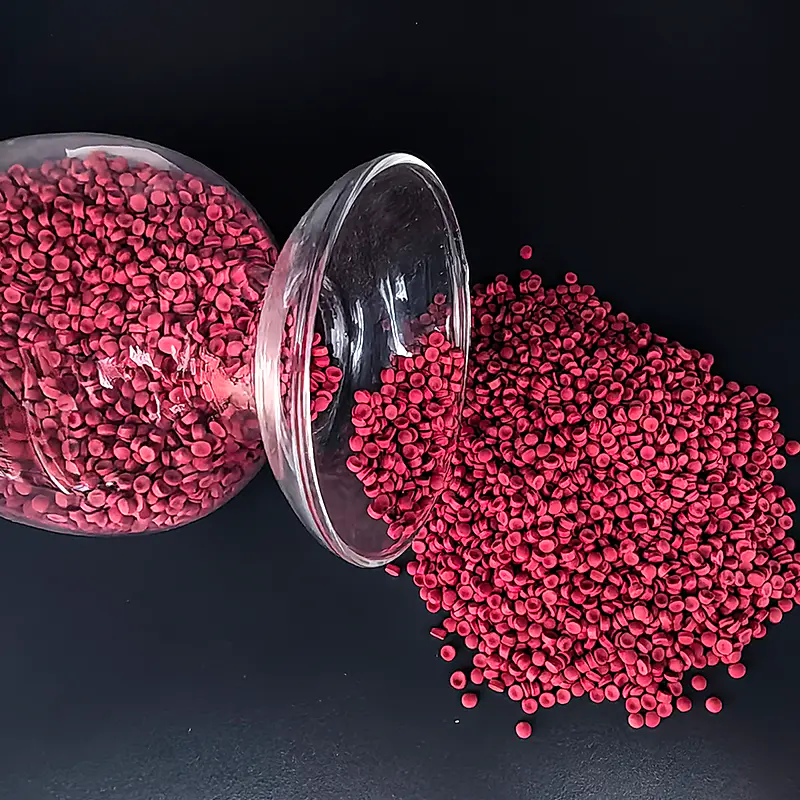
Railway projects often involve customized cable designs. Customers may require specific colors, extrusion behavior, insulation thicknesses, packaging formats, production batch sizes, or documentation systems. A compound supplier with experience across multiple polyolefin technologies can provide more than a standard pellet; it can support the complete material-selection process.
Application-oriented technical support may include formulation discussion, preliminary sample evaluation, processing guidance, test planning, failure analysis, and documentation support. This is especially valuable when a customer is transitioning from a halogen-containing insulation to an LSZH system or from a conventional thermoplastic to an irradiation-cross-linked design.
Customization should preserve the key properties required for rail applications. Adjustments to color, hardness, processing behavior, or surface finish must not reduce flame retardancy, smoke performance, mechanical strength, electrical insulation, or thermal aging resistance. Development work should therefore use controlled trials and comparative testing.
Long-term project support is also important. Railway vehicles and infrastructure may remain in service for many years, and replacement cables should be compatible with the original specifications. Stable production, retained samples, technical records, and controlled formulation management help support repeat orders and maintenance programs.
Environmental and Operational Value
LSZH cable compounds can contribute to safer enclosed spaces by reducing smoke and halogen acid emissions during fire exposure. The benefit is not only related to passenger evacuation. Lower corrosive emissions can help protect electrical cabinets, control systems, sensors, communication equipment, and metal structures.
Cross-linked insulation can also support operational reliability by resisting thermal deformation, mechanical damage, and chemical attack. A cable that maintains its insulation integrity can reduce the risk of short circuits, signal interruptions, unplanned maintenance, and service disruption.
Operational value should be evaluated over the entire cable life cycle. A slightly higher material cost may be justified when it supports longer service life, lower inspection frequency, easier compliance documentation, or reduced replacement risk. The appropriate economic comparison should include material, processing, qualification, installation, maintenance, and downtime costs.
At the same time, responsible material selection requires objective testing. LSZH designation alone does not guarantee performance in every rail application. The complete cable must be tested against the required fire, smoke, toxicity, mechanical, electrical, and environmental standards. The compound’s reported data provides a strong technical basis, but project-specific validation remains essential.
Recommended Evaluation Procedure for Cable Manufacturers
The first step is to define the operating conditions. The cable manufacturer should identify the expected conductor temperature, ambient temperature range, voltage, current, bending radius, vibration exposure, chemical contacts, installation location, and required service life.
The second step is to select an initial grade. DS-WDZF-105 (GD) and DS-WDZF-125 (GD) should be compared according to thermal requirements and the expected mechanical environment. DS-WDZF-125 (GD) may be considered where lower hot extension and a higher thermal option are desirable, while DS-WDZF-105 (GD) may be suitable for applications aligned with its specified performance category.
The third step is to conduct extrusion trials. The manufacturer should assess melt stability, surface appearance, concentricity, line speed, die swell, adhesion, spark-test performance, and dimensional consistency. The objective is to confirm that the compound can be processed efficiently on the intended equipment.
The fourth step is irradiation qualification. Dose levels should be optimized using tensile, elongation, hot-extension, permanent-deformation, thermal-aging, and electrical tests. Testing should cover the minimum and maximum acceptable process windows where possible.
The fifth step is finished-cable testing. This may include flame propagation, smoke density, corrosive gas, toxicity, insulation resistance, voltage withstand, abrasion, bending, impact, thermal aging, chemical resistance, vibration, and low-temperature tests. The applicable standard and customer specification should determine the exact test program.
The final step is production validation. Once the cable design is approved, routine testing and batch control should confirm that commercial production matches the qualified sample. Supplier documentation, lot traceability, retained samples, and change-control procedures can support consistent quality over the project life.
Questions and Answers
What is irradiation-cross-linked LSZH insulation?
It is a low-smoke, halogen-free cable insulation compound that is extruded around a conductor and then cross-linked using controlled irradiation. The irradiation forms additional bonds between polymer chains, creating a more stable molecular network with improved resistance to heat, deformation, and mechanical stress.
Which rail applications are suitable for this material?
The material is designed for traction and signaling cables in trains, subway systems, rail vehicles, tunnels, and related rail infrastructure. It may also be evaluated for control, auxiliary power, communication, and other cable constructions where low smoke, flame retardancy, and cross-linked thermal stability are required.
What are the two available representative grades?
The supplied data identifies DS-WDZF-105 (GD) and DS-WDZF-125 (GD). They provide different thermal-performance options. DS-WDZF-125 (GD) reports slightly higher tensile strength and elongation, lower hot extension, and slightly lower smoke-density values in the supplied typical data.
How do the grades perform mechanically?
DS-WDZF-105 (GD) has a reported tensile strength of 13.5 MPa and elongation at break of 165%. DS-WDZF-125 (GD) has a reported tensile strength of 13.8 MPa and elongation at break of 170%. Both exceed the stated minimum requirements of 10.0 MPa and 150%, respectively.
What makes the material suitable for enclosed vehicles and tunnels?
The material combines halogen-free design, low smoke density, high flame retardancy, controlled acidic gas content, suitable pH, and low electrical conductivity in the reported tests. These characteristics can help limit visibility loss and corrosive contamination during a fire, subject to finished-cable qualification.
Does the material resist thermal deformation?
Yes. The reported hot-extension values are 55% for DS-WDZF-105 (GD) and 45% for DS-WDZF-125 (GD), compared with a maximum of 100%. Both grades also report 0% permanent deformation after cooling in the specified test.
What electrical properties are reported?
Volume resistivity at 20°C is reported as 4.5 × 10¹⁴ Ω·cm for DS-WDZF-105 (GD) and 5.0 × 10¹⁴ Ω·cm for DS-WDZF-125 (GD). Dielectric strength is 30 MV/m for both grades, compared with a reported minimum of 20 MV/m.
Can the compound be customized?
Material solutions can be discussed according to cable structure, processing equipment, thermal requirements, color, mechanical needs, and project documentation. Any customization should be verified through controlled laboratory and finished-cable testing to ensure that fire, smoke, electrical, and mechanical performance remain compliant.
Why is cross-linking important for rail cables?
Cross-linking helps the insulation resist softening, hot deformation, compression, vibration, and repeated thermal cycling. These properties are valuable in cables installed near traction equipment, underfloor assemblies, moving vehicle sections, tunnel infrastructure, and other demanding locations.
Should the compound data be treated as a finished-cable certification?
No. The reported values describe the product after cross-linking under the stated test conditions. Finished-cable performance depends on conductor design, insulation thickness, extrusion conditions, irradiation dose, additional layers, and test methods. Final qualification should be completed on the complete cable.
Conclusion
Accelerator irradiation cross-linked LSZH flame-retardant insulation provides a balanced material solution for rail transit cable applications. Its dense cross-linked structure supports resistance to thermal cycling, heat deformation, vibration, abrasion, compression tearing, and chemical exposure. At the same time, its LSZH formulation addresses the fire-safety needs of enclosed vehicles, subway systems, tunnels, and other restricted-ventilation environments.
The reported data demonstrates tensile strength above 13 MPa, elongation above 165%, an oxygen index of 32%, low hot extension, zero permanent deformation after cooling, controlled smoke density, high volume resistivity, 30 MV/m dielectric strength, passing low-temperature impact brittleness, and low reported HCl and HBr content. These properties provide a strong basis for traction, signaling, control, auxiliary power, and related rail cable designs.
The product’s competitive value lies in the combination of properties rather than in one isolated specification. Compared with conventional thermoplastic LSZH materials, the irradiation-cross-linked structure can offer stronger resistance to thermal deformation. Compared with halogen-containing compounds, the LSZH design can reduce smoke and corrosive gas concerns. Compared with overly rigid flame-retardant systems, the reported elongation values support practical cable handling and installation.
Manufacturing capability further strengthens the product proposition. Research facilities, professional technical personnel, multiple production bases, more than ten production lines, and a broad portfolio of polyolefin cable compounds provide a foundation for stable supply and application-specific development. With appropriate extrusion, irradiation, and finished-cable validation, this material can support reliable and safer cable systems for modern rail transportation.
References
1. Product technical information for DS-WDZF-105 (GD) and DS-WDZF-125 (GD), including typical post-cross-linking performance data.
2. General principles of low-smoke, halogen-free cable compound formulation and fire-safety evaluation.
3. General principles of polymer irradiation cross-linking for wire and cable insulation.
4. General methods for evaluating cable tensile strength, elongation, thermal aging, hot extension, and permanent deformation.
5. General methods for evaluating oxygen index, smoke density, corrosive combustion products, pH, and electrical conductivity.
6. General railway cable design considerations for traction, signaling, rolling-stock, subway, tunnel, and enclosed transportation environments.
7. Manufacturer-provided company information concerning research and development facilities, production bases, product categories, and technical support capabilities.