English
 Français
 Español
 русский
 عربى
Green Ohm
Green Ohm
Green Ohm
Green Ohm
Green Ohm
Green Ohm
Green Ohm
Green Ohm
Green Ohm
Content
- 1 1. The Role of Cable Compounds in Photovoltaic Systems
- 2 2. Irradiation Crosslinking and the 125°C Performance Level
- 3 3. Low-Smoke Zero-Halogen Flame Retardancy
- 4 4. Main Product Advantages
- 4.1 4.1 High-temperature capability
- 4.2 4.2 Low-temperature performance
- 4.3 4.3 Outdoor weather resistance
- 4.4 4.4 Chemical resistance
- 4.5 4.5 Mechanical strength and flexibility
- 4.6 4.6 Electrical insulation performance
- 4.7 4.7 Reduced smoke and halogen-free composition
- 4.8 4.8 Long outdoor service potential
- 5 5. Representative Performance Data
- 6 6. Comparison with Conventional Cable Material Options
- 7 7. Manufacturing Process and Technical Strengths
- 8 8. Application in Photovoltaic Cable Construction
- 9 9. Processing and Application Recommendations
- 10 10. Sustainability and Life-Cycle Value
- 11 11. Why Manufacturer Capability Matters
- 12 12. Customization and Technical Service
- 13 13. Quality, Reliability, and Project Economics
- 14 14. Selecting the Appropriate Grade
- 15 15. Frequently Asked Questions
- 15.1 Q1: What does LSZH mean?
- 15.2 Q2: Why is the product described as 125°C?
- 15.3 Q3: What is the function of electron accelerator irradiation?
- 15.4 Q4: Can the material be used for both insulation and sheathing?
- 15.5 Q5: What outdoor conditions can the material withstand?
- 15.6 Q6: How long can the material last outdoors?
- 15.7 Q7: Is the material flexible enough for photovoltaic installation?
- 15.8 Q8: What are the main electrical properties?
- 15.9 Q9: Does the material require post-extrusion crosslinking?
- 15.10 Q10: Can the formulation be customized?
- 15.11 Q11: What information should a customer provide before requesting a quotation?
- 15.12 Q12: Is the product suitable for indoor applications?
- 15.13 Q13: How should the material be stored?
- 15.14 Q14: Does a material data sheet replace cable certification?
- 15.15 Q15: What makes this product competitive?
- 16 16. Conclusion
- 17 References
- 18 Product: 125°C Accelerator Irradiation Cross-linked LSZH Flame Retardant Insulation and Sheathing Material for Photovoltaics
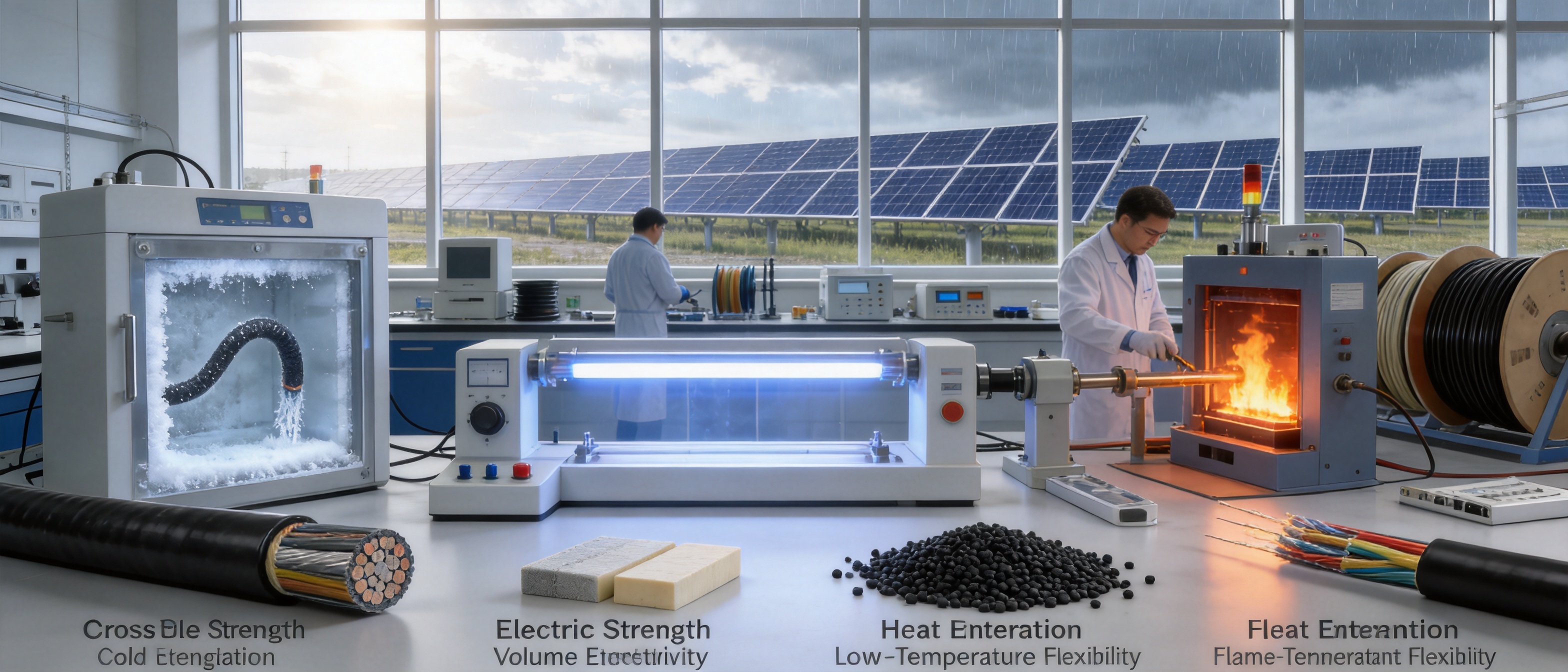
Photovoltaic power plants are expected to operate reliably for decades while being exposed to sunlight, temperature fluctuations, humidity, wind, dust, mechanical stress, and, in some locations, salt spray or agricultural chemicals. Cable materials used in these installations must therefore provide much more than basic electrical insulation. They must maintain their mechanical integrity, electrical performance, flame-retardant properties, and environmental resistance throughout a long service life.
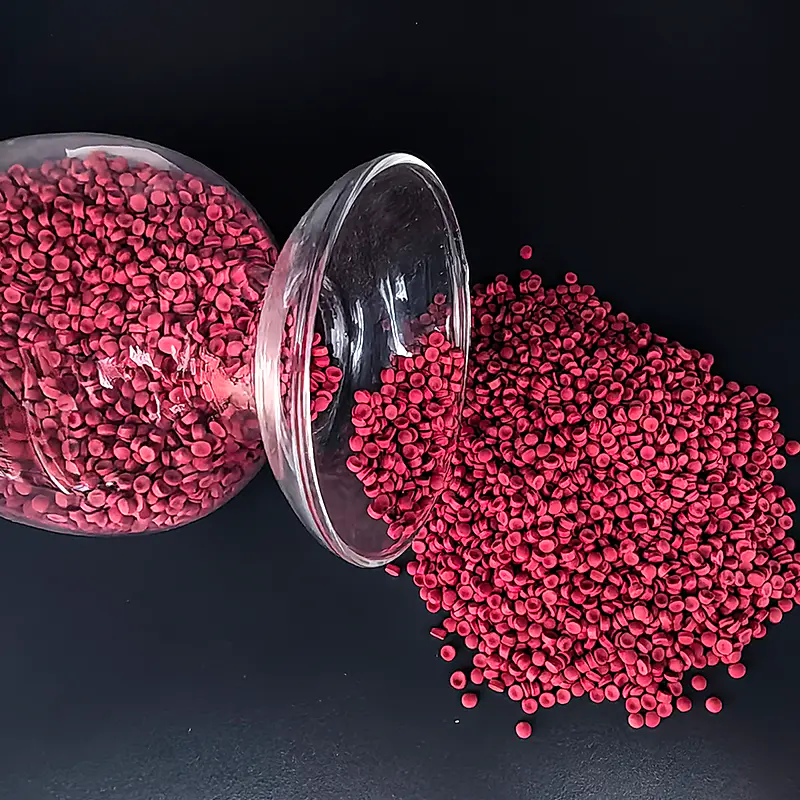
The 125°C accelerator irradiation cross-linked low-smoke zero-halogen (LSZH) flame-retardant insulation and sheathing material developed by Jiangsu Duoshang New Materials Technology Co., Ltd. is designed for these demanding conditions. It combines a polyolefin-based material system with electron accelerator irradiation crosslinking technology. During processing, irradiation creates a stable three-dimensional molecular network, improving the material’s thermal stability, dimensional stability, mechanical strength, and resistance to environmental ageing.
Designed for photovoltaic cable insulation and sheathing, the material can support a temperature resistance level of up to 125°C. It also offers low-temperature flexibility, with a low-temperature brittleness temperature below -40°C, together with resistance to ultraviolet radiation, ozone, acids, and alkalis. Under suitable cable design, installation, and operating conditions, the material can support an outdoor service life of up to 25 years.
Its LSZH formulation is intended to reduce smoke generation and eliminate halogen-containing components. In the event of fire, this can help improve visibility and reduce the formation of corrosive halogen acid gases compared with traditional halogen-containing cable compounds. The material is therefore suitable for photovoltaic systems where fire safety, environmental protection, and long-term outdoor reliability are important.
1. The Role of Cable Compounds in Photovoltaic Systems
A photovoltaic cable may appear to be a relatively simple product, but its material must perform continuously under a broad range of stresses. Solar cables can be installed on rooftops, solar farms, carports, floating photovoltaic platforms, industrial facilities, and utility-scale generation sites. Each application introduces different environmental challenges.
On a rooftop, a cable can be exposed to intense ultraviolet radiation and high surface temperatures. On a solar farm, cables may experience repeated heating and cooling cycles, wind movement, moisture, dust, and contact with metal structures. In coastal areas, salt and humidity can accelerate ageing. In agricultural or industrial environments, the cable may encounter fertilizers, cleaning agents, oils, or other chemicals.
The insulation and sheath compound must protect the conductor from electrical leakage while also preventing moisture ingress, mechanical damage, and environmental degradation. If the compound becomes brittle, cracks, softens excessively, or loses adhesion and dimensional stability, the cable’s service life may be reduced. A reliable cable compound is consequently a major contributor to the safety and economics of the entire photovoltaic installation.
Material selection also affects installation efficiency. A compound with good flexibility can help the cable follow the routing path around modules, junction boxes, inverters, support structures, and cable trays. A compound with adequate tensile strength and elongation can better tolerate handling during manufacturing and installation. Stable extrusion behavior helps cable manufacturers maintain consistent insulation thickness and surface quality.
The product described in this article has been developed to address these combined requirements. It is not limited to a single performance characteristic such as temperature resistance. Instead, it provides a balanced package of thermal, mechanical, electrical, flame-retardant, and environmental properties for photovoltaic cable construction.
2. Irradiation Crosslinking and the 125°C Performance Level
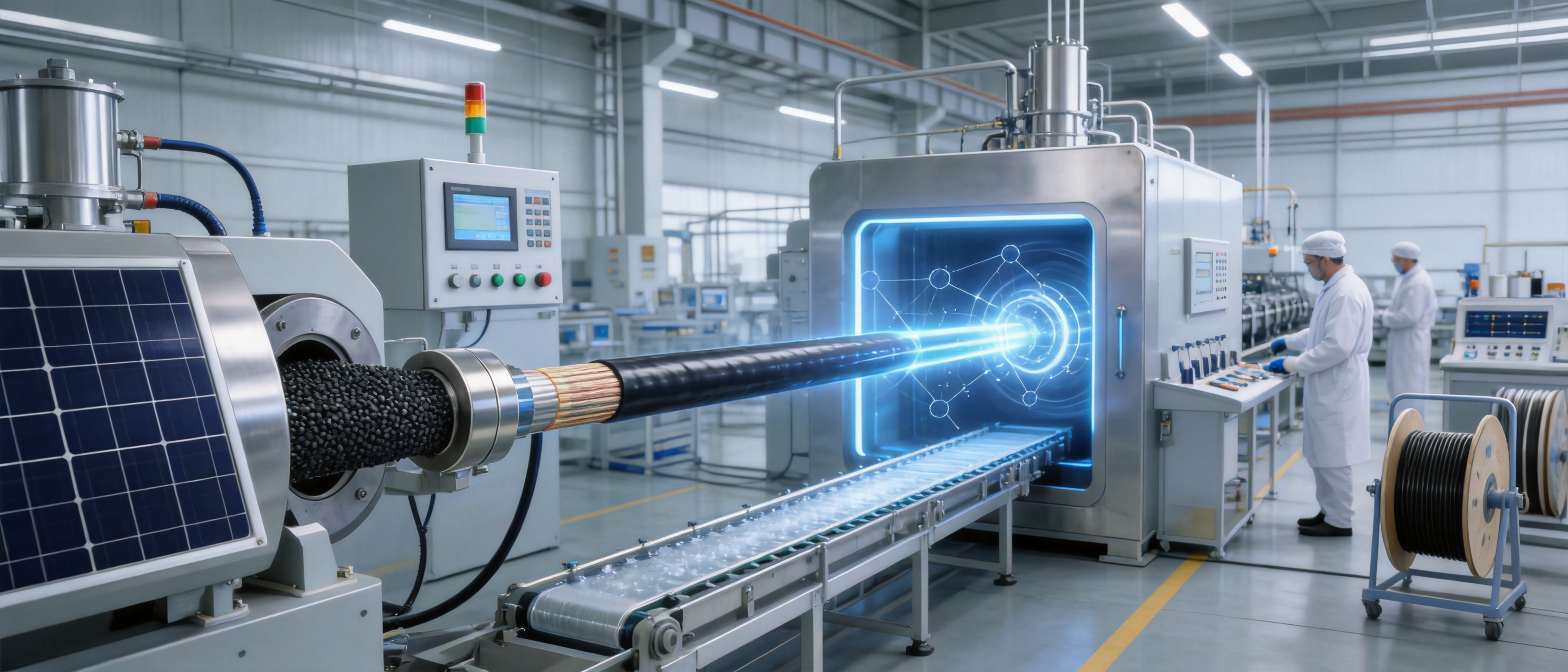
Irradiation crosslinking is a controlled process in which a finished or semi-finished polymer layer is exposed to high-energy electron beams. The energy initiates chemical reactions within the polymer structure, creating crosslinks between molecular chains. Instead of remaining as a primarily linear or branched thermoplastic structure, the polymer develops a three-dimensional network.
This network improves the compound’s ability to retain its shape and performance when exposed to heat. Ordinary thermoplastic materials may soften progressively as temperature rises. A cross-linked material is more resistant to flow and deformation because the molecular network restricts chain movement. This is particularly valuable for cable insulation and sheathing, where dimensional stability under heat is essential.
The 125°C accelerator irradiation cross-linked material is designed for cable applications requiring a higher temperature resistance level than standard low-temperature thermoplastic compounds. The cross-linked structure can help maintain insulation geometry and mechanical integrity during elevated-temperature operation and short-term thermal stress.
Temperature resistance is important in photovoltaic systems because cable temperature can rise significantly above ambient temperature. Dark surfaces, direct solar radiation, limited ventilation, high current loading, and proximity to module frames can all increase operating temperature. A compound designed for 125°C service provides additional thermal performance for appropriate cable constructions.
Irradiation crosslinking also offers advantages in manufacturing flexibility. The cable can be extruded using suitable processing equipment and then cross-linked through electron accelerator treatment. This can provide a consistent cross-linking method without relying exclusively on prolonged chemical curing inside a high-temperature environment. The exact extrusion and irradiation parameters must be established according to the cable design, wall thickness, formulation, and production line configuration.
The result is a material system that combines the processing convenience of a polyolefin-based compound with the performance benefits of a cross-linked structure. For cable manufacturers, this can help support repeatable production and stable quality control when the process is correctly optimized.
3. Low-Smoke Zero-Halogen Flame Retardancy
LSZH compounds are developed for applications in which smoke, toxicity, and corrosive combustion products must be controlled. Traditional halogen-containing cable materials can generate dense smoke and acidic gases during combustion. These emissions may reduce visibility, damage sensitive electrical equipment, and create additional hazards for people in enclosed or populated areas.
The low-smoke zero-halogen design of this photovoltaic compound avoids the intentional use of halogen-based flame-retardant chemistry. Its flame-retardant system is formulated to support fire safety while maintaining the flexibility and electrical insulation properties required for cable production.
Flame retardancy in a cable compound involves several mechanisms. The material may promote the formation of a protective char layer, reduce the release of combustible gases, dilute the concentration of flammable decomposition products, or absorb heat during decomposition. The final performance depends on the complete formulation, the cable geometry, the insulation or sheath thickness, and the applicable testing method.
In photovoltaic installations, LSZH performance is especially useful in buildings, transportation facilities, data-related infrastructure, public facilities, and densely arranged solar equipment. Even in open-air solar farms, low smoke and halogen-free properties can help protect personnel and adjacent equipment during a fire event.
Compared with many conventional halogen-containing cable compounds, an LSZH material can offer a more environmentally considerate combustion profile. It can also help cable manufacturers meet project specifications that require low smoke, halogen-free construction, and reduced corrosivity. The selection of the final cable standard should always be confirmed according to the destination market and application requirements.
4. Main Product Advantages
4.1 High-temperature capability
The product is designed around a 125°C temperature resistance level. This provides a higher thermal operating margin for photovoltaic cables exposed to solar heating and electrical load. The cross-linked network reduces the tendency of the material to deform under elevated temperature, helping the insulation and sheath preserve their designed dimensions.
4.2 Low-temperature performance
Photovoltaic installations may be located in regions with severe winters or large day-night temperature differences. The material’s low-temperature brittleness temperature can reach below -40°C. This supports flexibility and reduces the risk of cracking when cables are transported, installed, bent, or operated in cold conditions.
4.3 Outdoor weather resistance
The compound is designed to resist ultraviolet radiation and ozone exposure. These properties are important for cables installed in direct sunlight or in locations where ozone and atmospheric oxidation can accelerate polymer ageing. Improved weather resistance helps preserve mechanical and electrical performance over long outdoor service periods.
4.4 Chemical resistance
The material offers resistance to acids and alkalis, supporting use in industrial, agricultural, coastal, and utility-scale environments. Chemical resistance is not unlimited and must be verified against the specific substances, concentration, temperature, and exposure time involved. Nevertheless, this property provides an important additional protection layer for photovoltaic cable systems.
4.5 Mechanical strength and flexibility
A photovoltaic cable compound must be strong enough to tolerate production, transportation, installation, and service while remaining flexible enough for practical routing. The representative tensile strength values of the listed grades are approximately 12.5 to 13.5 MPa, while elongation at break ranges from approximately 170% to 280% in the supplied performance data.
This combination indicates a balance between strength and extensibility. The cable can resist pulling and handling forces while accommodating bending and movement. The appropriate grade depends on whether the compound is intended for insulation or sheath use and on the specific cable construction.
4.6 Electrical insulation performance
Electrical properties are central to the safe operation of photovoltaic cables. The listed grades provide high volume resistivity and dielectric strength. The supplied typical dielectric strength values are approximately 32 to 40 MV/m, while volume resistivity values are reported at high levels suitable for electrical insulation applications.
High resistivity helps reduce leakage current through the insulation. Adequate dielectric strength helps the material withstand electric stress without breakdown. These properties must be assessed together with insulation thickness, conductor design, manufacturing cleanliness, void control, and the final cable test results.
4.7 Reduced smoke and halogen-free composition
Low-smoke zero-halogen performance supports modern fire-safety and environmental objectives. It is particularly valuable in installations where smoke visibility, corrosion, and the protection of electronic equipment are important considerations.
4.8 Long outdoor service potential
When properly formulated, processed, installed, and operated, the material can support an outdoor service life of up to 25 years. This aligns with the long design life expected from many photovoltaic power plants. Long service life can reduce cable replacement requirements, maintenance interruptions, and the total cost of ownership.
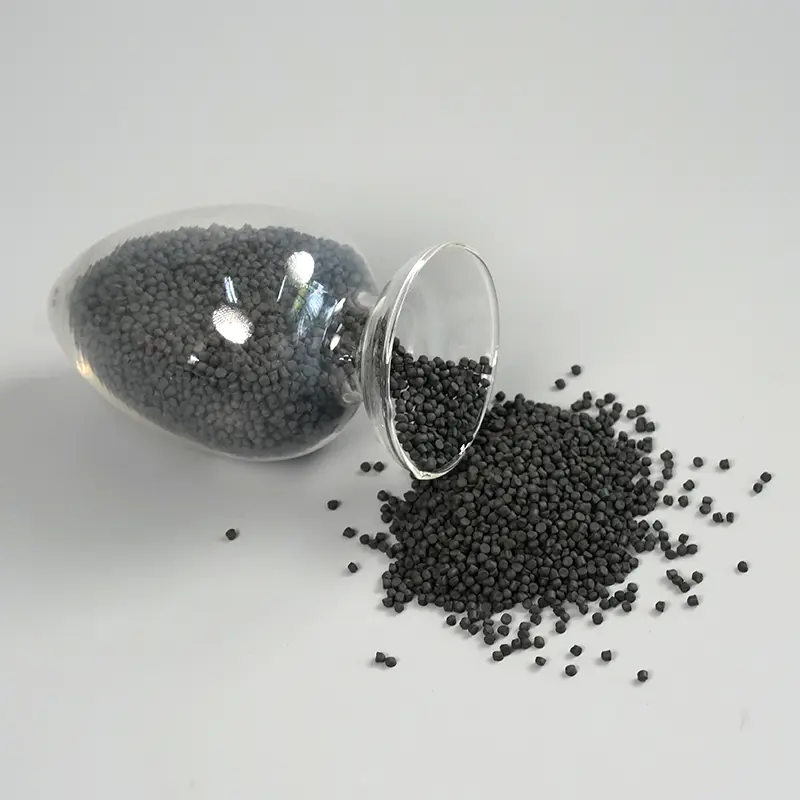
125°C Accelerator Irradiation Cross-linked LSZH Flame Retardant Insulation and Sheathing Material for Photovoltaics
5. Representative Performance Data
The following table summarizes the main performance information supplied for four representative grades: DS-GFJ-125, DS-GFH-125, DS-ENJ-125, and DS-ENH-125. The values are typical data rather than a substitute for a formal product specification, certificate, or application-specific qualification report.
| No. | Test Item | Unit | Standard or Requirement | DS-GFJ-125 | DS-GFH-125 | DS-ENJ-125 | DS-ENH-125 |
|---|---|---|---|---|---|---|---|
| 1 | Specific Gravity | g/cm³ | — | 1.29 | 1.42 | 1.35 | 1.45 |
| 2 | Tensile Strength | MPa | ≥10.0 | 13.0 | 12.5 | 13.5 | 12.8 |
| 3 | Elongation at Break | % | ≥150 | 280 | 180 | 240 | 170 |
| 4 | Tensile Strength Change Rate | % | Project or test requirement | 26 | 32 | 28 | 35 |
| 5 | Elongation Under Load | % | Test-specific | Representative result available | Representative result available | Representative result available | Representative result available |
| 6 | Heat Elongation | % | ≤100 | 55 | 55 | 50 | 50 |
| 7 | Permanent Deformation After Cooling | % | ≤25 | 5 | 5 | 0 | 0 |
| 8 | Volume Resistivity at 20°C | Ω·cm | 1.0 × 10¹³ | 4.5 × 10¹⁵ | 6.8 × 10¹³ | 5.0 × 10¹⁵ | 7.2 × 10¹³ |
| 9 | Dielectric Strength | MV/m | ≥20 | 40 | 32 | 40 | 32 |
| 10 | Low-Temperature Impact or Brittleness Test | °C | -40 | Pass | Pass | Pass | Pass |
| 11 | pH Value | — | ≥4.3 | 5.0 | 5.1 | 5.0 | 5.2 |
| 12 | Conductivity | μS/mm | ≤10 | 0.5 | 0.7 | 0.5 | 0.6 |
The table demonstrates that the grades are not identical in density, tensile properties, elongation, resistivity, or dielectric strength. This type of portfolio enables cable manufacturers to select an appropriate compound according to the intended insulation or sheathing function, required flexibility, processing conditions, and finished cable specification.
The heat elongation values are substantially below the stated maximum requirement of 100%, and the permanent deformation after cooling is well below the stated maximum of 25%. These results indicate that the cross-linked material can retain dimensional stability during the relevant thermal test conditions.
The pH and conductivity data are also important indicators in low-smoke and halogen-free cable evaluation. A relatively high pH value and low conductivity can support the objective of reducing corrosive and electrically conductive combustion residues. Final fire performance, however, must be confirmed using the complete cable and the designated test standard.
6. Comparison with Conventional Cable Material Options
Photovoltaic cable manufacturers may evaluate several material families, including ordinary thermoplastic polyolefins, halogen-containing flame-retardant compounds, chemically cross-linked materials, silane cross-linkable materials, and irradiation cross-linked LSZH compounds. Each option has advantages and limitations.
6.1 Compared with ordinary thermoplastic compounds
Ordinary thermoplastic compounds can be efficient to process and may offer good flexibility. However, they may soften more readily at elevated temperatures and can be more vulnerable to permanent deformation under sustained heat and mechanical stress. Irradiation crosslinking introduces a three-dimensional network that improves resistance to thermal deformation and supports a higher temperature performance level.
6.2 Compared with halogen-containing flame-retardant materials
Halogen-containing materials can provide strong flame-retardant performance, but their combustion products may include dense smoke and corrosive acid gases. The LSZH formulation is intended to reduce these concerns. For projects emphasizing environmental responsibility, personnel safety, and equipment protection, the low-smoke zero-halogen approach may provide a more suitable solution.
6.3 Compared with chemical crosslinking systems
Chemical crosslinking can provide effective cable performance, but it may require the management of curing agents, moisture, temperature, pressure, and by-products. Irradiation crosslinking uses an electron accelerator as the crosslinking source after extrusion. With a well-controlled process, this can offer precise treatment, a clean production route, and consistent network formation.
6.4 Compared with lower-temperature LSZH compounds
Some LSZH cable compounds are designed for general indoor applications or moderate-temperature service. They may not provide the same thermal margin required for photovoltaic cables exposed to direct sunlight and high current loading. A 125°C irradiation cross-linked grade is targeted at a more demanding application range.
6.5 Compared with low-cost alternatives
Initial material price is only one part of cable economics. A compound with insufficient weather resistance or thermal stability can lead to premature ageing, warranty concerns, maintenance work, and replacement costs. The value of a higher-performance material should therefore be evaluated over the complete life cycle of the photovoltaic system.
It is important to avoid treating any material as universally superior. The correct comparison must consider the intended cable standard, voltage rating, conductor size, installation method, environment, processing equipment, certification requirements, and total system design. Within those conditions, the product’s combination of 125°C capability, LSZH flame retardancy, irradiation crosslinking, flexibility, and outdoor resistance is a significant competitive advantage.
7. Manufacturing Process and Technical Strengths
7.1 Research-led formulation development
Jiangsu Duoshang New Materials Technology Co., Ltd. focuses on the research, development, production, and sales of polyolefin cable compounds. Its product portfolio includes UV-crosslinked materials, silane cross-linkable materials, irradiation cross-linked materials, thermoplastic LSZH flame-retardant compounds, polyethylene sheath compounds, and other specialized cable materials.
This broad product experience is valuable because cable compound development requires knowledge of polymer selection, filler dispersion, additive compatibility, extrusion behavior, irradiation response, electrical insulation, flame retardancy, and ageing mechanisms. A formulation cannot be optimized by changing one ingredient in isolation. The interaction of the complete system determines the final performance.
7.2 R&D infrastructure
The company operates a research and development center of more than 3,000 square meters. The center is equipped with research equipment valued at more than RMB 35 million and supported by a professional R&D team of more than 30 members, including five doctors and recipients of provincial and municipal talent awards.
This infrastructure supports the development and evaluation of materials for different cable applications. It also provides a foundation for customer-specific formulation adjustments, troubleshooting, process optimization, and technical documentation.
7.3 Multiple production bases
The company operates two production bases with a combined area of more than 15,000 square meters. More than 10 production lines are used for polyolefin cable compounds. Multiple production lines can support product variety, production scheduling, and supply continuity for customers with different compound requirements.
Manufacturing scale is particularly important for photovoltaic cable projects, which may require stable deliveries over an extended period. A capable production organization can help reduce supply interruptions and maintain consistency between batches through standardized raw-material control, process monitoring, and finished-product testing.
7.4 Controlled compounding
Polyolefin LSZH compounds commonly contain polymer components, flame-retardant packages, mineral fillers, stabilizers, processing aids, pigments, and other functional additives. Uniform dispersion is essential. Poor dispersion can create weak points, surface defects, inconsistent flame performance, or localized electrical stress.
A controlled compounding process is designed to distribute the components evenly throughout the polymer matrix. Mixing temperature, shear, residence time, feeding accuracy, moisture control, and cooling conditions all influence the final compound. The manufacturing process must be adapted to the formulation because excessive heat or shear can affect additives and polymer stability.
7.5 Extrusion compatibility
Cable manufacturers need materials that can run consistently on their production equipment. The compound should provide stable feeding, melting, mixing, pressure, and surface formation. Consistent processing behavior helps maintain insulation diameter, wall thickness, concentricity, and surface smoothness.
For irradiation cross-linked cable, extrusion is followed by electron accelerator treatment. The compound must therefore be formulated to achieve the required crosslinking response at a suitable irradiation dose. The cable manufacturer and material supplier may need to optimize line speed, extrusion temperature, cooling conditions, cable dimensions, and irradiation parameters together.
7.6 Electron accelerator irradiation
The electron accelerator supplies high-energy electrons that penetrate the cable layer and initiate crosslinking reactions. The irradiation dose must be controlled according to the compound, insulation thickness, sheath construction, and target performance. Insufficient irradiation may result in incomplete crosslinking, while excessive irradiation can affect flexibility, elongation, color, or other properties.
Process control is therefore essential. Dose uniformity, line speed, cable positioning, beam stability, and product handling all influence the result. A properly controlled irradiation process creates a stable three-dimensional network throughout the target layer.
7.7 Quality testing and validation
Quality assurance for a cable compound involves both raw-material inspection and finished-product testing. Typical evaluations may include density, tensile strength, elongation at break, heat elongation, permanent deformation after cooling, volume resistivity, dielectric strength, low-temperature performance, pH, conductivity, flame behavior, smoke generation, and ageing resistance.
Testing may be carried out before and after thermal ageing, ultraviolet exposure, chemical exposure, or other environmental conditioning. These comparisons help determine whether the material maintains its properties over time. The exact test methods should correspond to the customer’s specification and the applicable international or national standard.
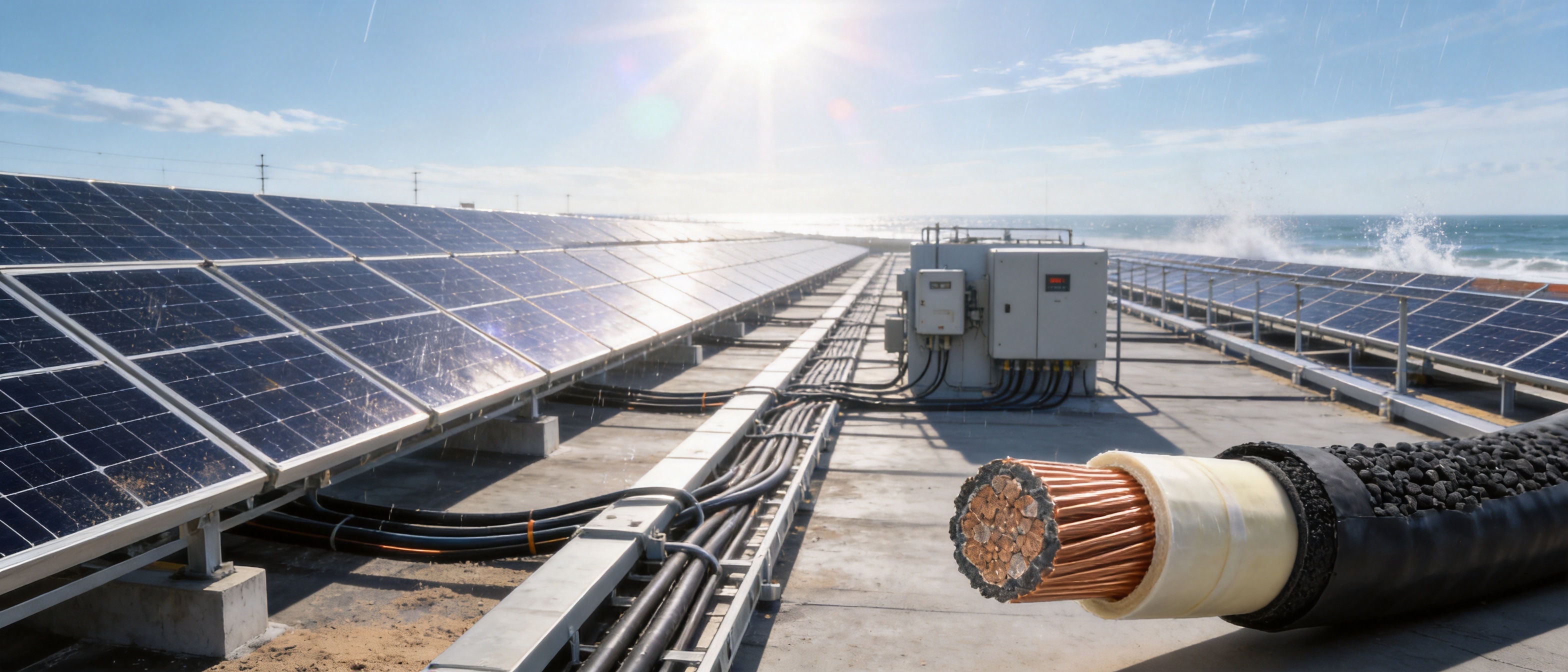
8. Application in Photovoltaic Cable Construction
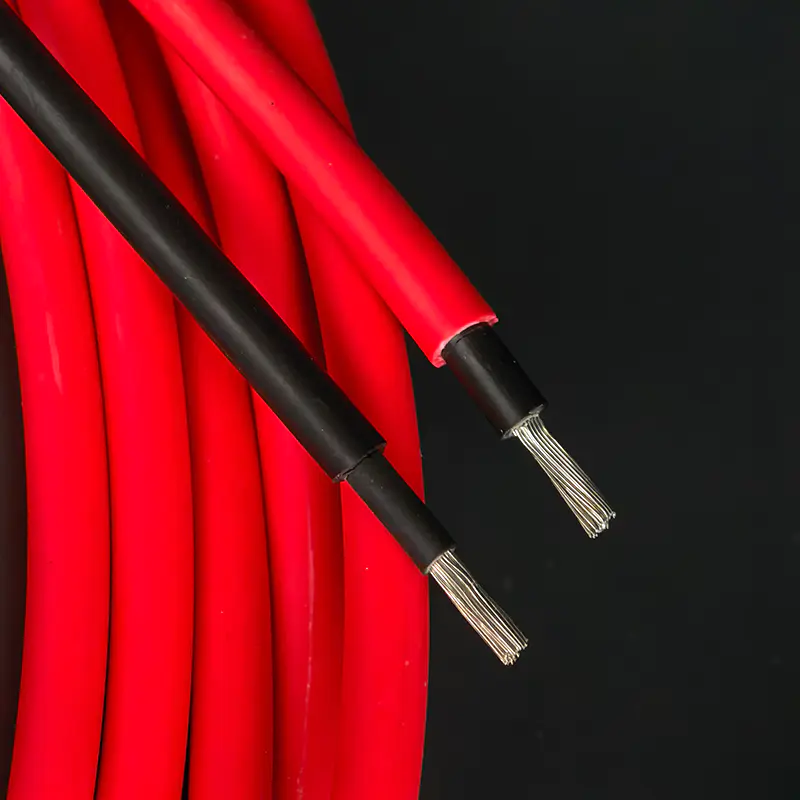
The compound can be considered for photovoltaic cable insulation, sheathing, or related cable-layer applications, subject to grade selection and qualification. The insulation layer provides electrical separation between the conductor and the external environment. The sheath protects the cable from mechanical contact, moisture, sunlight, and external chemical exposure.
In a typical photovoltaic installation, cables may connect individual modules to string junction boxes, combine strings at collection points, connect to inverters, or carry power from inverters to transformers and switchgear. The voltage, current, cable size, installation method, and environmental exposure can vary significantly between these sections.
For module-level and string-level wiring, flexibility and UV resistance are especially important because the cables are often routed close to the rear of modules and support frames. For longer exposed runs, resistance to weathering, abrasion, and temperature cycling becomes increasingly important. For indoor inverter rooms or equipment enclosures, low smoke and halogen-free performance may be particularly valuable.
The material can also support cable designs intended for photovoltaic carports, rooftop systems, agricultural solar installations, floating solar projects, and utility-scale ground-mounted plants. In each case, the final cable construction must be tested as a complete product rather than evaluated only through compound data.
8.1 Rooftop photovoltaic systems
Rooftop systems expose cables to reflected heat, direct sunlight, wind, rain, and frequent temperature changes. The cables may be installed near roofing membranes, metal rails, junction boxes, and other heat-absorbing components. A high-temperature, UV-resistant LSZH compound can help address the combined thermal and environmental demands.
8.2 Utility-scale solar farms
Large solar farms may include extensive cable routes exposed to dust, moisture, strong sunlight, and mechanical movement. Maintenance access can be difficult, and cable replacement may require substantial labor. Long-life materials can help reduce the risk of unexpected maintenance and support reliable energy generation.
8.3 Coastal and humid environments
Coastal installations may encounter salt-laden air and persistent humidity. Industrial sites may also expose cables to chemical vapors or cleaning agents. The product’s resistance to acids and alkalis, together with its weathering performance, can provide an additional level of protection. The exact chemical compatibility should be verified before use in a highly aggressive environment.
8.4 Cold-climate installations
Solar projects in northern climates can experience very low temperatures during installation and operation. Low-temperature brittleness below -40°C helps reduce the risk of damage during cold-weather handling and bending. Installation practices should still follow the cable manufacturer’s minimum bending temperature and radius recommendations.
9. Processing and Application Recommendations
The performance of an irradiation cross-linked LSZH compound depends on correct processing. Cable manufacturers should establish a process window through trials before regular production. The recommended conditions will vary according to the specific grade, equipment, conductor material, layer thickness, and production speed.
9.1 Storage and material handling
Compound packaging should remain sealed until use. The material should be stored in a clean, dry environment away from direct sunlight, excessive heat, water, and chemical contamination. Moisture and foreign matter can affect extrusion stability, surface quality, electrical performance, and flame-retardant behavior.
First-in, first-out inventory control is recommended. Each production batch should remain traceable through identification labels and manufacturing records. If the material has been exposed to unsuitable storage conditions, the manufacturer should evaluate it before processing.
9.2 Extrusion temperature control
Extrusion temperatures should be set high enough to achieve uniform melting and dispersion but low enough to avoid premature degradation or excessive additive reaction. The screw design, compression ratio, residence time, die geometry, and cooling system all affect the optimum setting.
Stable melt pressure and temperature can help produce a smooth cable surface and consistent dimensions. Sudden pressure changes, surging, discoloration, or surface roughness may indicate problems with feeding, moisture, temperature, screw configuration, contamination, or material compatibility.
9.3 Crosslinking verification
After irradiation, the cable should be evaluated to verify that the desired crosslinking level has been achieved. Heat elongation and permanent deformation after cooling are useful indicators of dimensional stability. Tensile strength and elongation should also be assessed to ensure that the irradiation process has not caused excessive embrittlement or loss of flexibility.
Testing should be performed at defined intervals during production and whenever there is a change in formulation, equipment, cable size, line speed, or irradiation dose. A process validation plan can help identify the acceptable operating range.
9.4 Finished-cable qualification
Compound-level results do not replace finished-cable qualification. The complete cable should be evaluated for conductor adhesion, insulation resistance, dielectric strength, dimensions, concentricity, flame behavior, smoke generation, environmental ageing, bending performance, and other requirements specified by the customer or certification body.
For photovoltaic service, additional evaluations may include UV ageing, thermal ageing, damp heat, ozone exposure, low-temperature bending, thermal cycling, and chemical resistance. The selected test program should reflect the installation environment and target market.
10. Sustainability and Life-Cycle Value
LSZH technology supports sustainability objectives by reducing halogen content and helping limit corrosive combustion products. However, sustainability should be assessed across the complete product life cycle, including raw-material sourcing, manufacturing energy, transport, service life, maintenance, and end-of-life treatment.
A cable compound that enables a long outdoor service life can reduce the frequency of cable replacement. Fewer replacements may mean lower consumption of raw materials, less installation labor, reduced transport, and less downtime for the power plant. Long service life is therefore an important part of the environmental and economic value proposition.
The material’s high mechanical strength and good flexibility can also support efficient cable manufacturing and installation. Reduced processing waste, consistent extrusion, and stable production can improve material utilization. These benefits depend on appropriate process control and responsible production management.
At the end of service, cable recycling and disposal should follow applicable local regulations. The complete cable construction, including the conductor, insulation, sheath, connectors, and other components, must be considered when developing a recycling route.
11. Why Manufacturer Capability Matters
Purchasing a high-performance cable compound is not only a matter of selecting a data sheet. The supplier’s technical support, production stability, research capability, and quality systems all influence the result. Photovoltaic cable projects often require consistent performance across many production batches and long delivery periods.
Jiangsu Duoshang New Materials Technology Co., Ltd. combines material research, compound production, and application support. Its experience covers multiple categories of polyolefin cable compounds used in power, communications, locomotives, photovoltaic systems, new energy generation, rail transit, marine cables, and other industries.
The company’s R&D team and laboratory infrastructure support formulation development and performance testing. Its production bases and multiple production lines provide manufacturing capacity for different grades and customer requirements. This combination can help customers move from initial material selection to process trials, qualification, regular production, and technical follow-up.
For cable manufacturers, supplier communication is particularly important when using irradiation cross-linked materials. The supplier may need to provide guidance on extrusion behavior, irradiation dose ranges, material storage, testing methods, and the relationship between cable dimensions and crosslinking conditions. A technically capable supplier can help shorten development time and reduce avoidable production risks.
12. Customization and Technical Service
Different photovoltaic cable projects may require different balances of flexibility, hardness, density, flame retardancy, tensile strength, elongation, electrical performance, and processing behavior. A material that works well for a thin insulation layer may not be the best choice for a thicker protective sheath. Grade selection should therefore be based on the actual application.
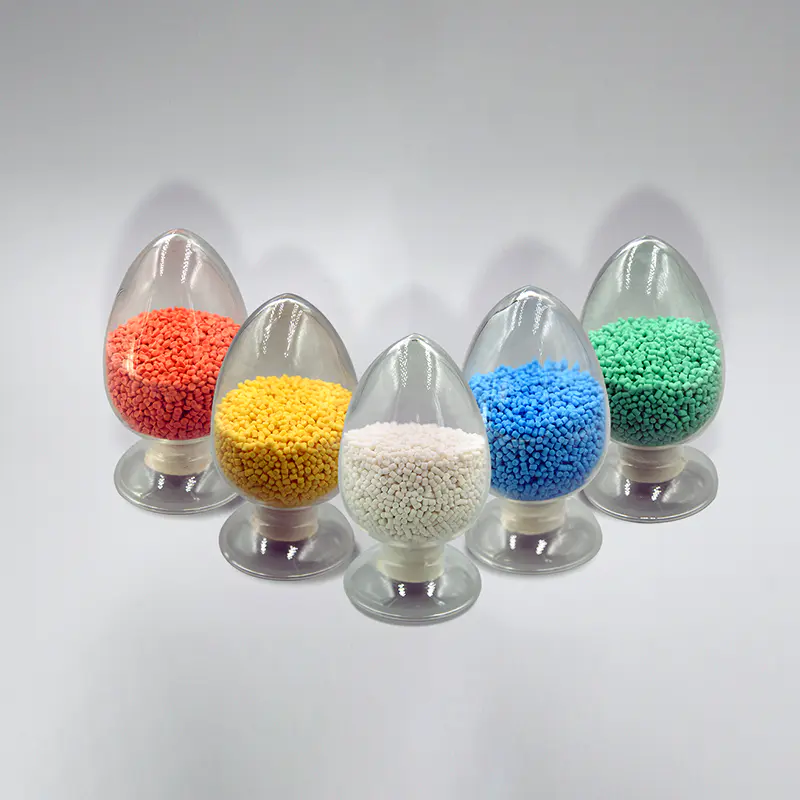
Customized material development may involve adjusting the polymer matrix, filler system, flame-retardant package, stabilizer system, color, hardness, irradiation response, or processing profile. The objective is not simply to maximize one property, but to meet the complete set of technical, production, regulatory, and commercial requirements.
Technical service can include sample preparation, laboratory testing, extrusion trials, crosslinking evaluation, finished-cable assessment, and documentation support. Customers may also require batch certificates, safety information, packaging specifications, storage recommendations, and quality-control records.
Duoshang’s focus on application-oriented solutions allows it to serve customers requiring standard grades as well as customers seeking specialized formulations. This is valuable in photovoltaic projects where cable designs may differ according to voltage level, installation method, climate, certification target, and project owner specification.
13. Quality, Reliability, and Project Economics
Photovoltaic power plants are long-term assets. Their economic performance depends on dependable energy production and controlled maintenance costs. Cable failures can result in localized power loss, troubleshooting expenses, safety risks, and project delays. A reliable compound can help reduce these risks when integrated into a properly designed and qualified cable.
The product’s thermal and environmental resistance supports long-term performance under solar exposure. Its mechanical properties help withstand handling and installation. Its electrical insulation values contribute to safe power transmission. Its LSZH flame-retardant design supports fire-safety objectives. Together, these characteristics provide a broad reliability package.
Using a higher-performance compound may involve a higher initial material cost than using a basic alternative. However, the appropriate economic comparison should include service life, failure probability, maintenance access, replacement labor, downtime, warranty exposure, and the value of generated electricity. For large projects, a small improvement in reliability can produce a meaningful financial benefit over the plant’s operating life.
Quality consistency is equally important. A material that performs well in a laboratory but varies between production batches can create cable manufacturing problems. Stable raw-material sourcing, controlled compounding, process monitoring, and documented inspection are therefore essential elements of product value.
14. Selecting the Appropriate Grade
The four representative grades listed in the supplied data have different densities and mechanical and electrical properties. A customer should not select a grade solely on the basis of the highest tensile strength or lowest density. The choice should reflect the cable layer, processing equipment, target specification, and installation conditions.
For insulation applications, volume resistivity and dielectric strength may receive particular attention. For sheathing applications, flexibility, abrasion resistance, weather resistance, and surface quality may be more prominent. For high-throughput production, melt stability, dimensional control, and irradiation response are also essential.
Customers should provide the material supplier with information such as conductor size, insulation or sheath thickness, line type, extrusion temperature range, target cable standard, required flame classification, expected climate, voltage rating, and annual consumption. This information allows the grade and process conditions to be evaluated more accurately.
Before mass production, a qualification program should confirm both material and cable performance. The program may include pilot extrusion, irradiation trials, physical testing, electrical testing, accelerated ageing, and, where required, third-party certification.
15. Frequently Asked Questions
Q1: What does LSZH mean?
LSZH means low smoke zero halogen. An LSZH cable compound is formulated to reduce smoke generation and avoid halogen-containing components. During a fire, this can help reduce dense smoke and corrosive halogen acid gases compared with many conventional halogen-containing materials.
Q2: Why is the product described as 125°C?
The 125°C designation indicates the intended temperature resistance level of the irradiation cross-linked material. The cross-linked molecular network improves resistance to thermal deformation and helps the cable layer maintain its integrity at elevated temperature. The final allowable cable temperature must be confirmed according to the complete cable design and applicable standard.
Q3: What is the function of electron accelerator irradiation?
Electron accelerator irradiation initiates crosslinking reactions in the polymer. It creates a three-dimensional molecular network that improves thermal stability, dimensional stability, and resistance to permanent deformation. The irradiation dose must be controlled according to the material and cable construction.
Q4: Can the material be used for both insulation and sheathing?
The product family includes grades intended for different cable functions. Whether a particular grade is suitable for insulation, sheathing, or another layer must be confirmed through technical evaluation. The decision depends on electrical requirements, mechanical requirements, thickness, processing conditions, and the relevant cable standard.
Q5: What outdoor conditions can the material withstand?
The material is designed to provide UV resistance, ozone resistance, acid and alkali resistance, and low-temperature performance below -40°C. It is intended for demanding outdoor photovoltaic environments. Specific chemical compatibility and service-life expectations should be verified for the actual site conditions.
Q6: How long can the material last outdoors?
Under suitable formulation, cable design, installation, and operating conditions, the material can support an outdoor service life of up to 25 years. Actual service life depends on temperature, UV intensity, mechanical stress, chemicals, moisture, installation quality, and the complete cable construction.
Q7: Is the material flexible enough for photovoltaic installation?
The representative grades show elongation at break values ranging from approximately 170% to 280%, indicating good extensibility. The actual bending performance depends on the selected grade, cable structure, conductor flexibility, insulation thickness, and installation temperature.
Q8: What are the main electrical properties?
The supplied data include high volume resistivity and dielectric strength values of approximately 32 to 40 MV/m for the representative grades. These properties support electrical insulation performance, but the finished cable must still undergo the required electrical tests.
Q9: Does the material require post-extrusion crosslinking?
Yes. The material is designed to be cross-linked through electron accelerator irradiation after extrusion. The cable manufacturer must establish suitable extrusion and irradiation conditions and verify the crosslinking result through testing.
Q10: Can the formulation be customized?
Customization may be possible depending on the customer’s requirements, production equipment, target standard, and order volume. Potential adjustments may involve mechanical properties, flexibility, color, density, flame retardancy, processing behavior, or irradiation response. A technical evaluation is required for each customized formulation.
Q11: What information should a customer provide before requesting a quotation?
Useful information includes the intended cable type, insulation or sheath application, conductor size, layer thickness, voltage rating, target standard, required certifications, installation environment, expected annual demand, preferred packaging, and extrusion equipment. Complete information helps the supplier recommend the most suitable grade.
Q12: Is the product suitable for indoor applications?
The LSZH characteristics can be valuable for indoor applications where smoke and halogen-free performance are required. However, suitability depends on the specific fire, electrical, mechanical, and regulatory requirements of the installation. The final cable should be qualified for its intended use.
Q13: How should the material be stored?
The compound should generally be kept sealed in a clean, dry location away from direct sunlight, water, excessive heat, and contamination. Customers should follow the supplier’s product-specific storage instructions and maintain batch traceability throughout storage and production.
Q14: Does a material data sheet replace cable certification?
No. Material data provides important information for formulation and preliminary selection, but certification normally applies to the complete finished cable. The cable manufacturer must perform the tests required by the target standard, customer specification, and regulatory authority.
Q15: What makes this product competitive?
Its main competitive strengths are the combination of 125°C temperature resistance, electron accelerator crosslinking, low-smoke zero-halogen flame retardancy, low-temperature performance below -40°C, UV and ozone resistance, acid and alkali resistance, high mechanical strength, electrical insulation performance, and long outdoor service potential. The manufacturer’s R&D resources and production capacity further support stable supply and technical customization.
16. Conclusion
The 125°C accelerator irradiation cross-linked LSZH flame-retardant insulation and sheathing material is designed for the demanding conditions of modern photovoltaic cable systems. It combines a stable cross-linked molecular network with low-smoke zero-halogen flame retardancy, high temperature resistance, low-temperature flexibility, weather resistance, chemical resistance, mechanical strength, and electrical insulation performance.
These properties provide advantages over conventional materials that may soften at lower temperatures, generate halogen-containing combustion products, or lack sufficient resistance to long-term outdoor exposure. The product is especially relevant for photovoltaic installations that require reliable cable performance over many years in sunlight, heat, humidity, cold, and chemically active environments.
Jiangsu Duoshang New Materials Technology Co., Ltd. supports this product with a research and development center, professional technical personnel, multiple production bases, more than 10 polyolefin cable compound production lines, and experience across power, communications, photovoltaic, rail, marine, and new-energy applications. This manufacturing and technical foundation can help customers move from material selection to process qualification and stable mass production.
For the best results, cable manufacturers should select the grade according to the intended layer and project specification, optimize extrusion and irradiation conditions, and qualify the complete finished cable. When these steps are properly managed, the material can provide a strong foundation for safe, durable, and environmentally responsible photovoltaic cable products.
References
1. Product technical information for 125°C accelerator irradiation cross-linked LSZH flame-retardant photovoltaic insulation and sheathing materials, Jiangsu Duoshang New Materials Technology Co., Ltd.
2. General principles of polymer irradiation crosslinking and electron-beam processing for cable compounds.
3. General technical practices for low-smoke zero-halogen cable insulation and sheathing materials.
4. General test methods for tensile strength, elongation at break, heat elongation, permanent deformation, volume resistivity, and dielectric strength of cable compounds.
5. General engineering guidance for photovoltaic cable selection, outdoor ageing resistance, thermal performance, and long-service-life cable design.
6. General fire-safety principles for low-smoke, halogen-free cable materials in power, industrial, transportation, and building applications.
7. General quality-control practices for polyolefin compounding, extrusion processing, electron accelerator irradiation, and finished-cable qualification.