English
 Français
 Español
 русский
 عربى
Green Ohm
Green Ohm
Green Ohm
Green Ohm
Green Ohm
Green Ohm
Green Ohm
Green Ohm
Green Ohm
Content
- 1 Why LSZH Insulation Matters in Construction Engineering
- 2 Product Overview
- 3 Rapid LED Ultraviolet Cross-Linking Technology
- 4 Mechanical Performance After Cross-Linking
- 5 Thermal Stability and Cross-Linked Structure
- 6 Flame Retardancy and Oxygen Index
- 7 Low Smoke and Zero-Halogen Characteristics
- 8 Electrical Insulation Performance
- 9 Impact Brittleness and Low-Temperature Behavior
- 10 Representative Technical Data
- 11 Advantages Compared With Conventional Cable-Material Approaches
- 12 Advanced Manufacturing Strengths
- 13 Processing Considerations for Cable Manufacturers
- 14 Construction-Engineering Applications
- 15 Environmental and Regulatory Considerations
- 16 How to Select Between DS-ZWG-105 and DS-ZWG-125
- 17 Quality Verification and Finished-Cable Testing
- 18 Commercial and Operational Benefits
- 19 Q&A
- 19.1 What is UV cross-linked LSZH insulation?
- 19.2 How quickly does the cross-linking process occur?
- 19.3 What grades are available?
- 19.4 Does the material support construction-engineering applications?
- 19.5 What are the main advantages over traditional irradiation cross-linking?
- 19.6 Is the material halogen-free?
- 19.7 What are the typical smoke-density results?
- 19.8 Can the compound be used without UV cross-linking?
- 19.9 What equipment is needed for production?
- 19.10 What standards are associated with the product information?
- 19.11 How should a customer qualify the material?
- 19.12 Can the material be customized?
- 19.13 What technical support is available?
- 20 Conclusion
- 21 References
- 22 Product: UV Irradiation Cross-linked LSZH Flame Retardant Insulation for Construction Engineering (Class B1/B2)
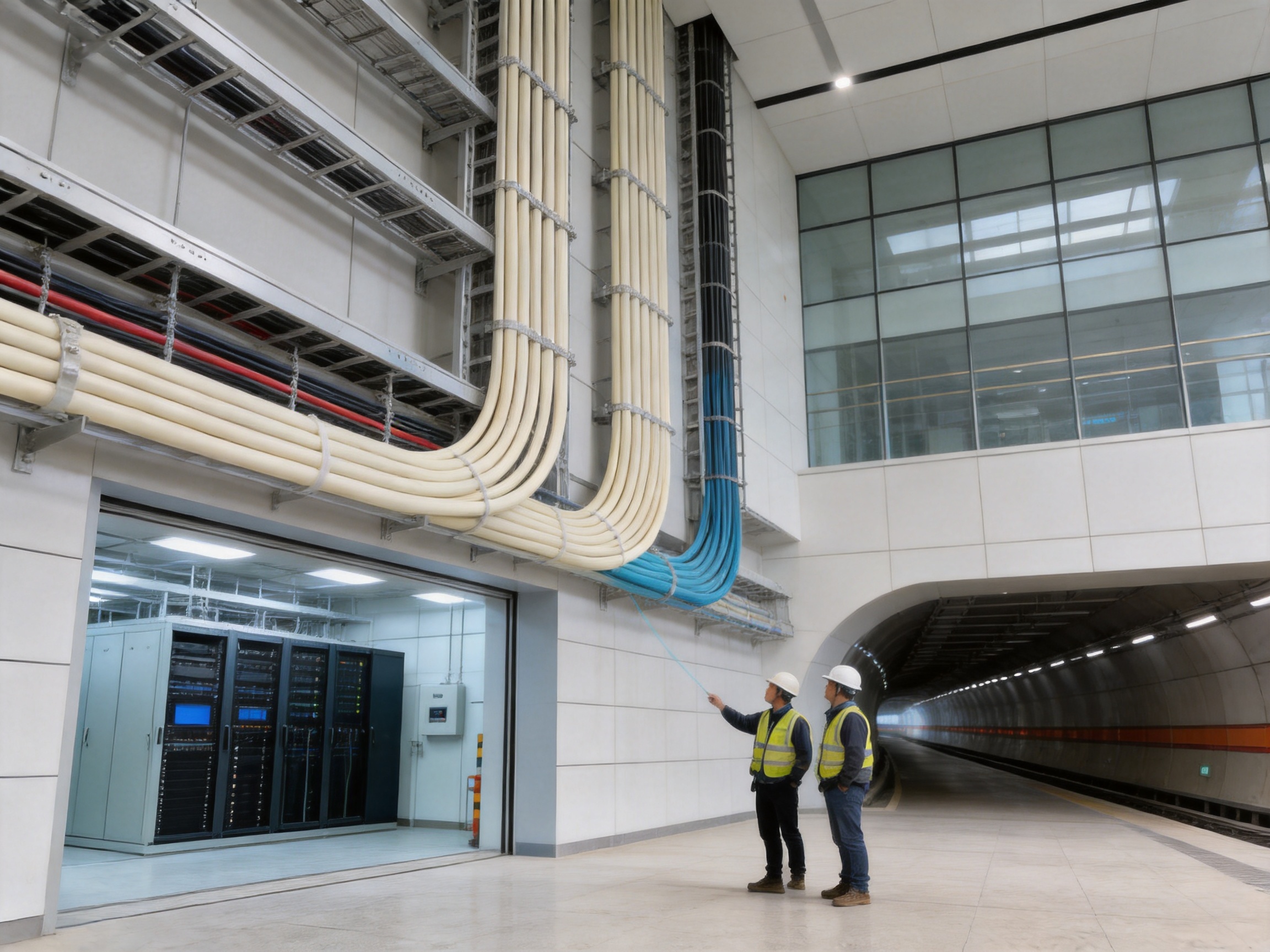
Low-smoke zero-halogen, or LSZH, cable materials are increasingly important in construction engineering, public infrastructure, transportation, communications, power distribution, and other applications where fire safety and environmental performance are essential. In these environments, cable insulation is expected to perform more than one function. It must provide dependable electrical insulation, resist mechanical damage, maintain its properties at elevated temperatures, limit smoke generation during combustion, and avoid the release of corrosive halogen-containing gases.
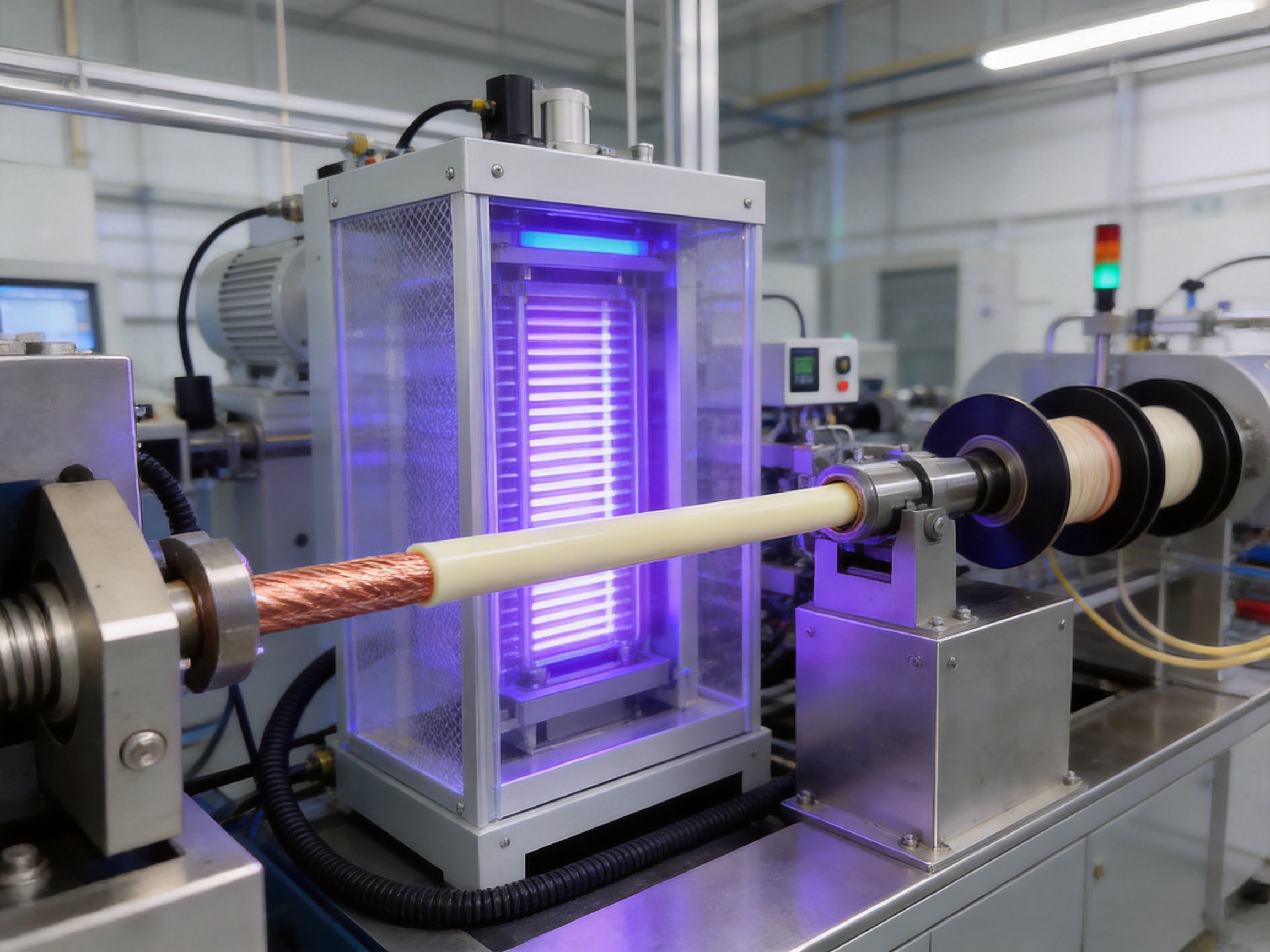
UV Irradiation Cross-Linked LSZH Flame-Retardant Insulation for Construction Engineering is developed to address these requirements through a rapid ultraviolet cross-linking process. After extrusion, the finished cable is exposed to LED ultraviolet light. Cross-linking can be completed within only a few seconds, enabling a production concept that combines extrusion and cross-linking in a highly efficient sequence.
The material is available in the DS-ZWG-105 and DS-ZWG-125 grades. According to the supplied technical information, both grades provide balanced mechanical, thermal, electrical, flame-retardant, smoke, and environmental performance after cross-linking. The product is intended for construction-engineering cable applications requiring Class B1/B2-oriented LSZH performance and is supported by test indicators associated with GB/T 32129-2015, GB/T 19666-2019, IEC 60332, UL 1581 FT-2, RoHS, REACH, and other environmental or safety requirements.
Beyond the material itself, the solution is supported by an integrated manufacturing and research system. Jiangsu Duoshang New Materials Technology Co., Ltd. specializes in the research, development, production, and sales of polyolefin cable compounds. Its research center, production bases, specialized product portfolio, and technical support capabilities allow it to provide not only a compound, but also application-oriented material solutions for cable manufacturers and engineering customers.
Why LSZH Insulation Matters in Construction Engineering
Cables installed in buildings are often placed in enclosed or partially enclosed areas, including cable trays, shafts, ceilings, raised floors, service corridors, tunnels, and equipment rooms. When a fire occurs, the behavior of the cable insulation can influence visibility, evacuation conditions, equipment protection, and the corrosive impact of combustion gases.
Traditional halogen-containing cable materials may generate dense smoke and acidic gases when exposed to fire. These gases can reduce visibility and potentially damage metallic equipment, electronic systems, and structural components. LSZH compounds are formulated to reduce smoke and limit halogen emissions, making them particularly suitable for public buildings, transportation facilities, data centers, industrial plants, hospitals, schools, commercial complexes, and other locations where human safety and equipment continuity are priorities.
An LSZH insulation compound must achieve this performance without sacrificing the practical properties required during cable production and use. Important characteristics include tensile strength, elongation, thermal aging stability, hot-extension behavior, permanent deformation after cooling, volume resistivity, dielectric strength, impact brittleness resistance, pH value, acid-gas content, and electrical conductivity.
These requirements can be difficult to balance. Flame-retardant additives may affect flexibility or processability. High mineral loading may improve flame performance while increasing density and reducing elongation. Cross-linking can improve thermal and dimensional stability, but it also introduces additional equipment and process-control requirements. The value of a well-designed UV cross-linked LSZH compound lies in its ability to coordinate these performance requirements within a practical manufacturing process.
Product Overview
The product is a UV cross-linked LSZH compound for flame-retardant cable insulation used in construction engineering. The material is extruded onto the conductor and then treated with LED ultraviolet light. The UV energy initiates a cross-linking reaction in the extruded insulation, forming a network structure that improves the cable’s resistance to heat, deformation, and long-term service stress.
Unlike a conventional thermoplastic material that may soften substantially when exposed to heat, a properly cross-linked compound has greater structural stability. This is especially important in cable insulation, where the material must maintain its shape around the conductor during overload, short-duration thermal exposure, installation, and service.
The supplied product information identifies two grades:
| Grade | Primary Positioning | Typical Specific Gravity | Typical Tensile Strength | Typical Elongation at Break |
|---|---|---|---|---|
| DS-ZWG-105 | UV cross-linked LSZH insulation compound | 1.49 | 12.5 | 170% |
| DS-ZWG-125 | UV cross-linked LSZH insulation compound | 1.48 | 13 | 175% |
The two grades show closely matched performance in the supplied typical values. Both achieve a typical oxygen index of 32, a typical dielectric strength of 30, and a typical permanent deformation after cooling of zero under the stated hot-extension test conditions. The final selection should be based on the cable design, conductor size, extrusion equipment, installation requirements, and the customer’s applicable specification.
Rapid LED Ultraviolet Cross-Linking Technology
The defining feature of this product is the use of LED ultraviolet irradiation after extrusion. The cross-linking reaction can be completed in a few seconds, which is considerably faster than traditional irradiation cross-linking methods according to the supplied product description. The stated cross-linking speed is tens of times faster than traditional irradiation cross-linking.
This high reaction speed can change the economics and layout of cable production. In a conventional process, an extruded cable may need to pass through a separate irradiation system or remain in a treatment area for a comparatively long time. A rapid UV process can reduce the required treatment distance and help synchronize extrusion with cross-linking. This creates an opportunity to shorten the production cycle while maintaining continuous manufacturing.
LED ultraviolet systems can also provide a more controlled energy source. Depending on the equipment configuration, LED systems may support stable irradiance, targeted wavelength output, lower heat generation, and more precise process control. These characteristics can be useful when processing polymer insulation that must be cross-linked without excessive thermal damage or surface distortion.
The material and the irradiation equipment must be treated as an integrated system. Actual cross-linking quality depends on factors such as line speed, UV intensity, exposure distance, lamp arrangement, material thickness, pigment or colorant selection, surface condition, and cooling conditions. For this reason, cable producers should establish operating windows through production trials and verify the final cable rather than relying only on nominal equipment settings.
Shorter Production Cycles
Rapid cross-linking supports higher line productivity. When the cross-linking stage is completed quickly, the cable can proceed to cooling, take-up, inspection, or subsequent manufacturing steps sooner. This may increase output from existing production lines and reduce the amount of cable held in intermediate processing.
Shorter cycles can be particularly valuable for construction-cable projects that require large volumes, tight delivery schedules, or frequent grade changes. A faster process may also help manufacturers respond more flexibly to different conductor sizes and cable structures.
Lower Equipment Investment
The supplied product description identifies low equipment investment as one of the main advantages of the UV cross-linking approach. A compact LED UV system may require less space than a longer conventional irradiation line. The actual investment will depend on line capacity, safety requirements, shielding, cooling, automation, and the number of cable sizes being produced, but a compact process concept can reduce the burden of facility modification.
Lower equipment requirements can be especially attractive to cable manufacturers adding LSZH cross-linked products to an existing extrusion operation. Instead of constructing a large separate treatment area, the producer may be able to integrate the UV system into the existing line after the extrusion die and sizing or cooling section, subject to engineering validation.
Reduced Energy Consumption
Energy efficiency is another stated advantage. LED ultraviolet systems can convert electrical energy into usable ultraviolet output with less unnecessary heat than some older lamp technologies. A rapid exposure period also limits the total energy required for each meter of cable. Lower energy use can help reduce operating costs and support corporate sustainability objectives.
Energy performance should be evaluated across the complete production line. Important factors include lamp efficiency, cooling demand, line speed, standby consumption, ventilation, maintenance, and the proportion of usable production time. Even so, a fast, compact UV cross-linking process provides a strong basis for improving the energy profile of cable manufacturing.
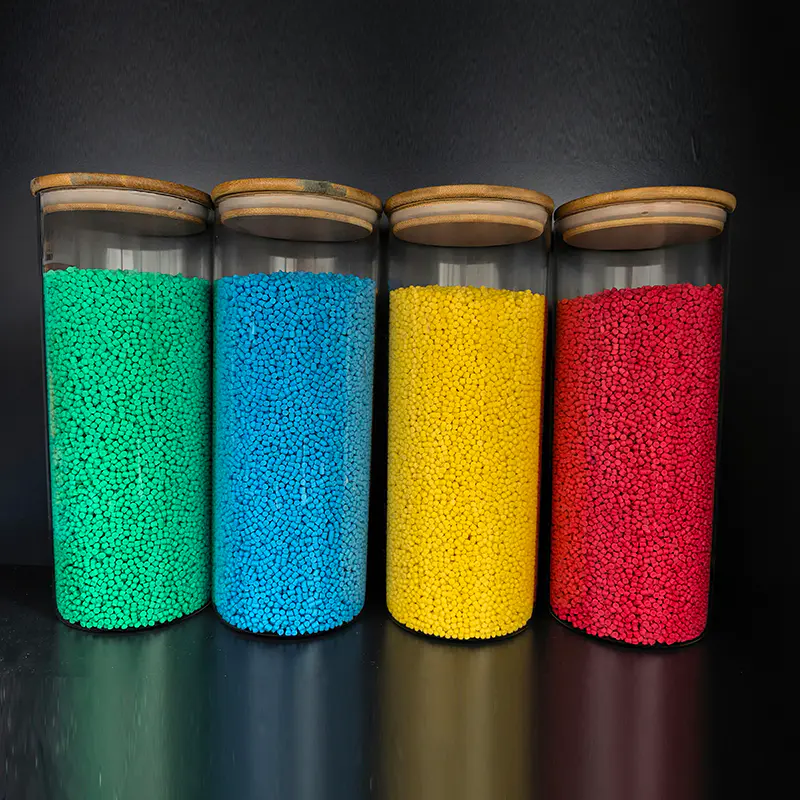
UV Irradiation Cross-linked LSZH Flame Retardant Insulation for Construction Engineering (Class B1/B2)
Mechanical Performance After Cross-Linking
The typical tensile strength values are 12.5 for DS-ZWG-105 and 13 for DS-ZWG-125, against a stated requirement of at least 10.0. The typical elongation at break is 170% and 175%, respectively, against a stated requirement of at least 150%.
These results indicate that the material combines strength with substantial elongation. This balance is important during cable production and installation. Insulation with adequate tensile strength can resist handling forces, while sufficient elongation helps the material tolerate bending, pulling, vibration, and local deformation without cracking.
Construction cables may be installed through conduits, trays, risers, walls, and confined spaces. They can experience repeated bending during routing and connection. Mechanical flexibility is therefore not an optional characteristic, even when the cable is primarily specified for fire performance. The reported elongation values provide a useful margin over the listed requirement, although the final suitability must be confirmed for the specific cable structure and installation method.
Specific gravity is listed as 1.49 for DS-ZWG-105 and 1.48 for DS-ZWG-125. Similar density values allow cable designers to compare the grades without expecting a major difference in mass per unit volume from the compound alone. In a complete cable, total weight will also depend on conductor material, conductor size, fillers, shielding, tapes, jackets, and other components.
Thermal Stability and Cross-Linked Structure
Thermal performance is one of the primary reasons for using a cross-linked insulation material. The supplied test information includes air thermal aging, hot extension at 200°C and 0.2 MPa for 15 minutes, and permanent deformation after cooling.
For DS-ZWG-105, air thermal aging at 135°C for 168 hours produced a typical tensile-strength change rate of +10 and an elongation change rate of -12. For DS-ZWG-125, the stated aging condition is 158°C for 168 hours, with a typical tensile-strength change rate of +15 and an elongation change rate of -18. The listed requirement for both change rates is ±25.
The data indicate that the measured changes remain within the stated limits. A moderate change in tensile strength after aging can occur as the polymer network continues to stabilize or as additives interact with the matrix. The more important consideration is whether the material retains sufficient mechanical integrity and elongation after thermal exposure.
In the hot-extension test, elongation under load is listed as 45 for DS-ZWG-105 and 40 for DS-ZWG-125, compared with a maximum requirement of 100. Permanent deformation after cooling is listed as zero for both grades, against a maximum requirement of 25.
Low hot extension and zero typical permanent deformation after cooling indicate strong dimensional stability under the stated test conditions. This can help prevent insulation thinning, local displacement, or excessive deformation when the cable is exposed to elevated temperatures. It also supports more consistent electrical clearance between the conductor and surrounding components.
Flame Retardancy and Oxygen Index
The oxygen index for both grades is listed as 32, compared with a stated minimum of 28. Oxygen index is an indicator of the relative ease with which a material continues to burn in a controlled oxygen and nitrogen atmosphere. A higher value generally means that a higher oxygen concentration is needed to sustain combustion.
Although oxygen index is not a complete substitute for a finished-cable flame test, it is an important screening and formulation indicator. The final fire behavior of a cable depends on insulation thickness, conductor arrangement, jacket design, fillers, metallic components, installation configuration, and test method.
The product information states that the finished product line meets the requirements of GB/T 19666-2019, IEC 60332, and UL 1581 FT-2. These references relate to flame or fire-performance evaluation of cable products. Cable manufacturers should conduct the relevant finished-product tests using the intended construction, dimensions, colors, and processing conditions before claiming compliance for a specific cable model.
For construction engineering, flame-retardant performance is closely connected to system safety. A cable that limits flame spread can reduce the likelihood that fire will travel along cable routes. When combined with low smoke and low halogen emissions, flame-retardant LSZH insulation contributes to a more complete fire-safety strategy.
Low Smoke and Zero-Halogen Characteristics
The supplied test data include smoke density with flame and without flame. With flame, the typical smoke density is 50 for both grades against a maximum requirement of 100. Without flame, the typical values are 300 for DS-ZWG-105 and 305 for DS-ZWG-125 against a maximum requirement of 350.
These values show that both grades remain within the listed smoke-density limits. Lower smoke generation can help preserve visibility during an emergency and may reduce the difficulty of evacuation, inspection, and firefighting. It can also help protect sensitive equipment in facilities where smoke contamination may cause substantial secondary damage.
The HCl and HBr content is listed as less than 0.5 for both materials, compared with a maximum requirement of 0.5. This result supports the material’s low-halogen or zero-halogen positioning. The pH value is listed as 5 for both grades against a minimum requirement of 4.3, while electrical conductivity is listed as 0.52 and 0.53 against a maximum requirement of 10.
pH value, acid-gas content, and electrical conductivity are important in evaluating the corrosive and conductive behavior of combustion products. A cable compound that produces less acidic combustion residue can reduce the potential for corrosive attack on metal components and electronic equipment. These properties are especially relevant in data centers, control rooms, transportation systems, and industrial facilities.
As with all fire-performance data, the reported results should be interpreted in the context of the specified test methods. The final cable assembly, not only the raw compound, determines the performance of the installed product.
Electrical Insulation Performance
Reliable electrical insulation is fundamental to cable safety. The product’s typical volume resistivity at 20°C is 5.8 × 10¹⁴ for DS-ZWG-105 and 5.6 × 10¹⁴ for DS-ZWG-125, compared with a listed requirement of 1.0 × 10¹⁴.
High volume resistivity indicates strong resistance to the movement of electrical charge through the insulation. This helps limit leakage current and supports stable electrical performance under normal service conditions. Moisture, contamination, thermal aging, processing defects, and mechanical damage can all influence actual cable insulation resistance, so compound selection must be combined with appropriate extrusion control and finished-cable testing.
Dielectric strength is listed as 30 for both grades against a stated minimum of 20. This property reflects the material’s ability to withstand an applied electric field before dielectric breakdown occurs. Consistent dielectric strength depends on compound formulation, dispersion, insulation thickness, surface quality, conductor cleanliness, extrusion stability, and the absence of voids or inclusions.
The material’s hot-extension performance further supports electrical reliability. If insulation deforms excessively under heat, the distance between the conductor and other conductive parts may change. A stable cross-linked structure helps preserve the designed geometry of the insulation system.
Impact Brittleness and Low-Temperature Behavior
The impact brittleness temperature test is listed at -25, with both grades marked as passing. This result indicates that the insulation maintains resistance to brittle impact failure at the stated low temperature test point.
Construction cables may be transported, installed, or handled in cold environments. A material that becomes brittle can crack during pulling, bending, impact, or termination. Low-temperature toughness is therefore important for outdoor construction, unheated buildings, cold storage facilities, infrastructure projects, and seasonal installation work.
The reported pass result does not eliminate the need for installation guidance. Minimum bending radius, pulling tension, cable temperature, storage conditions, and termination practices should be considered in the cable specification. Nevertheless, low-temperature impact performance adds another layer of reliability to the compound’s mechanical profile.
Representative Technical Data
The following table summarizes the supplied typical values. The results are identified as performance indicators for the product after cross-linking. Units should be interpreted according to the applicable test standard and the cable manufacturer’s technical specification.
| No. | Test Item | Requirement or Test Condition | DS-ZWG-105 Typical Value | DS-ZWG-125 Typical Value |
|---|---|---|---|---|
| 1 | Specific Gravity | Not specified | 1.49 | 1.48 |
| 2 | Tensile Strength | At least 10.0 | 12.5 | 13 |
| 3 | Elongation at Break | At least 150% | 170% | 175% |
| 4 | Oxygen Index | At least 28 | 32 | 32 |
| 5 | Air Thermal Aging | Strength change rate within ±25 | +10 at 135°C for 168 hours | +15 at 158°C for 168 hours |
| 6 | Elongation Change Rate After Aging | Within ±25 | -12 | -18 |
| 7 | Hot Extension | 200°C, 0.2 MPa, 15 minutes; elongation under load no more than 100 | 45 | 40 |
| 8 | Permanent Deformation After Cooling | No more than 25 | 0 | 0 |
| 9 | Smoke Density With Flame | No more than 100 | 50 | 50 |
| 10 | Smoke Density Without Flame | No more than 350 | 300 | 305 |
| 11 | Volume Resistivity at 20°C | At least 1.0 × 10¹⁴ | 5.8 × 10¹⁴ | 5.6 × 10¹⁴ |
| 12 | Dielectric Strength | At least 20 | 30 | 30 |
| 13 | Impact Brittleness Temperature | -25 | Pass | Pass |
| 14 | pH Value | At least 4.3 | 5 | 5 |
| 15 | HCl and HBr Content | No more than 0.5 | Less than 0.5 | Less than 0.5 |
| 16 | Electrical Conductivity | No more than 10 | 0.52 | 0.53 |
The table is intended for technical comparison and preliminary selection. Typical values are not guaranteed specifications unless they are incorporated into a formal quality agreement. Cable producers should request the latest technical data sheet, processing guidance, compliance documentation, and sample-testing support before commercial adoption.
Advantages Compared With Conventional Cable-Material Approaches
Compared With Conventional Thermoplastic LSZH Compounds
A conventional thermoplastic LSZH compound can offer convenient processing because it melts and solidifies repeatedly. However, its resistance to hot deformation may be lower than that of a cross-linked material. Under elevated temperature or mechanical load, a thermoplastic insulation layer may soften and deform more readily.
The UV cross-linked structure in this product is intended to improve hot-extension performance and dimensional stability. The reported elongation under load and permanent deformation results demonstrate the benefit of cross-linking under the stated conditions. This may be valuable where the cable is exposed to overload, thermal cycling, installation stress, or confined routing conditions.
Compared With Traditional Irradiation Cross-Linking
Traditional irradiation cross-linking can provide effective polymer modification, but it may require a separate irradiation process, longer exposure time, specialized facilities, and higher capital investment. The product’s LED UV process is designed to complete cross-linking in only a few seconds and at a speed described as tens of times faster than traditional irradiation cross-linking.
The main competitive advantage is therefore process efficiency. Faster treatment may reduce production lead time, lower work-in-process inventory, simplify line layout, and improve equipment utilization. It can also support synchronous extrusion and cross-linking, which is difficult to achieve when the cross-linking stage requires a long downstream treatment path.
Compared With Moisture-Curing or Silane Cross-Linkable Materials
Moisture-curing systems can be effective, but their curing speed may depend on moisture diffusion, material thickness, ambient conditions, and post-extrusion storage. This may create a delay between extrusion and the point at which the cable reaches its final cross-linked performance.
UV cross-linking offers a rapid, directly controlled alternative. The reaction occurs during a defined exposure stage, allowing manufacturers to connect the cross-linking condition more closely with line speed and equipment settings. This may reduce dependence on long curing periods, although material handling, UV exposure, and final quality verification remain essential.
Compared With Halogen-Containing Flame-Retardant Materials
Halogen-containing materials can provide flame-retardant performance, but they may generate corrosive gases and dense smoke under fire conditions. The LSZH formulation described here is intended to reduce halogen-related emissions while maintaining flame-retardant and electrical-insulation performance.
The reported HCl and HBr content below 0.5, smoke-density values within the listed limits, and pH value of 5 support the product’s suitability for applications where low smoke and reduced corrosivity are important. These characteristics can improve the overall safety profile of cable systems in occupied or sensitive facilities.
Advanced Manufacturing Strengths
The product is manufactured and supported by Jiangsu Duoshang New Materials Technology Co., Ltd., a company focused on polyolefin cable compounds. Its capabilities extend across research and development, production, testing, technical documentation, and customer-specific material solutions.
The company operates a research and development center of more than 3,000 square meters. The center is equipped with more than RMB 35 million worth of research equipment and supported by a professional research and development team of more than 30 members, including five doctors and recipients of provincial and municipal talent awards.
A substantial research platform is important for advanced cable compounds because formulation development requires more than routine mixing. Researchers must evaluate polymer selection, flame-retardant systems, cross-linking chemistry, additive compatibility, dispersion, thermal stability, extrusion behavior, color effects, and finished-cable performance.
The company also operates two production bases covering more than 15,000 square meters, with more than 10 production lines for polyolefin cable compounds. This production scale supports stable supply, batch management, capacity planning, and the manufacture of different compound families.
Its product portfolio includes eight major categories and more than 50 varieties. These include UV cross-linked compounds, silane cross-linkable compounds, irradiation cross-linked compounds, thermoplastic LSZH flame-retardant compounds, polyethylene sheath compounds, and other specialized cable materials.
A broad product portfolio can benefit customers with multiple cable programs. Instead of sourcing each material from a separate specialist, a cable manufacturer may work with one technical partner for insulation, sheath, flame-retardant, cross-linkable, and application-specific compound requirements. This can simplify qualification, technical communication, and supply coordination.
Application-Oriented Research
The company states that it focuses on polymer cable compounds and biodegradable materials while providing application-oriented solutions, research and development support, testing support, stable supply capacity, technical documentation, and customized material solutions for customers worldwide.
Application-oriented research is especially important for UV cross-linked insulation because the compound cannot be separated from the extrusion and irradiation process. A material that performs well in a laboratory may require different screw design, die temperature, cooling, line speed, or UV dosage in a commercial cable line.
Technical support can help customers evaluate these variables systematically. Typical development work may include sample extrusion, cross-linking trials, mechanical testing, electrical testing, thermal aging, flame testing, smoke testing, and adjustment of the formulation or process window.
Quality and Supply Coordination
Stable supply is essential in construction engineering, where cable production is linked to project schedules and installation milestones. The company’s two production bases and multiple production lines provide a foundation for capacity management and supply continuity.
Consistency is equally important. Variations in filler dispersion, moisture, additive concentration, pellet size, or cross-linking response can affect extrusion stability and finished-cable performance. A professional compound manufacturer should therefore control raw-material selection, compounding conditions, pelletizing, packaging, storage, batch testing, and technical traceability.
Customers should confirm the supplier’s quality procedures, batch-release documentation, packaging requirements, storage recommendations, and change-control process during qualification. These steps help ensure that a material approved on one production batch remains suitable for continued manufacturing.
Processing Considerations for Cable Manufacturers
Although the compound is designed for UV cross-linking, successful production depends on appropriate process control. The material should be stored in its original packaging under the conditions recommended by the supplier. Packaging should remain sealed until use, and the compound should be protected from contamination, excessive humidity, and unintended exposure to ultraviolet radiation.
Before production, the cable manufacturer should verify the compatibility of the compound with the extruder, screw, barrel, die, cooling system, take-up equipment, and UV irradiation unit. The die should provide a stable and concentric insulation layer. Conductor preheating, surface cleanliness, line tension, and cooling conditions can influence adhesion, surface appearance, and electrical performance.
UV exposure should be established according to cable diameter, insulation thickness, line speed, lamp output, lamp-to-cable distance, and material color. Dark or heavily pigmented materials may absorb or block ultraviolet energy differently from lighter colors. The required UV dosage should therefore be verified for each product construction rather than assumed to be identical across all colors and sizes.
Cross-linking should be checked through appropriate tests. Depending on the applicable standard, manufacturers may evaluate hot extension, permanent set, gel content, tensile properties, elongation, thermal aging, electrical insulation, and finished-cable flame performance. Production records should connect the cross-linking conditions with the corresponding batch and cable construction.
Operators should also receive training on UV safety. UV radiation can damage the eyes and skin, so the system should include suitable shielding, interlocks, warning signs, ventilation, and maintenance procedures. Safe operation is a necessary part of the manufacturing advantage offered by LED ultraviolet technology.
Construction-Engineering Applications
The product is suitable for consideration in building and infrastructure cable systems where flame retardancy, low smoke, reduced halogen emissions, and thermal stability are required. Potential application areas include power cables, control cables, building wires, communication cables, equipment connections, and other cable designs that use cross-linked LSZH insulation.
In commercial buildings, LSZH insulation can support fire-safety objectives in crowded areas, vertical risers, public circulation spaces, and technical rooms. In data centers, the low-smoke and low-halogen characteristics may help reduce secondary damage to sensitive equipment. In transportation facilities, the combination of flame performance and low smoke can support safer evacuation and maintenance conditions.
Industrial facilities may use LSZH cable compounds in control, instrumentation, power, and automation systems. Rail transit, marine infrastructure, photovoltaic installations, and new-energy systems may also require specialized cable materials with a combination of mechanical, electrical, environmental, and flame-retardant properties.
The product’s final suitability depends on the complete cable design. Engineers should consider conductor voltage rating, insulation thickness, operating temperature, current-carrying capacity, bending radius, environmental exposure, moisture, oil or chemical contact, installation method, fire classification, and applicable national or international standards.
Environmental and Regulatory Considerations
The product information states that the material meets the requirements of GB/T 32129-2015, RoHS, REACH, and other environmental regulations. RoHS and REACH considerations are increasingly important for cable manufacturers supplying international markets. Customers may require declarations regarding restricted substances, substances of very high concern, supply-chain documentation, and updates when regulations change.
Environmental compliance should be managed throughout the product life cycle. This includes raw-material qualification, supplier declarations, incoming inspection, formulation control, production records, packaging, and finished-product documentation. A compliance statement is most useful when it is supported by controlled records and current test reports.
LSZH design also contributes to environmental and safety objectives during fire conditions. By reducing halogen-containing emissions, the material can help limit corrosive gases and improve the conditions for people and equipment. This does not mean that the cable is harmless under all fire conditions; any polymeric material can produce smoke and combustion products. Proper fire testing and installation remain essential.
How to Select Between DS-ZWG-105 and DS-ZWG-125
The two grades have similar typical values, but they should not automatically be treated as interchangeable. Their thermal-aging conditions are different in the supplied table, and the final choice should be based on the cable manufacturer’s technical requirements and qualification results.
DS-ZWG-105 may be considered when the cable design is aligned with its stated thermal-aging condition and when the required combination of mechanical, electrical, smoke, and flame performance is achieved. DS-ZWG-125 may be considered where the corresponding higher-temperature aging profile and typical mechanical values are advantageous.
Selection should include a comparative trial using the actual conductor, insulation thickness, color, die configuration, line speed, UV exposure, and cooling conditions. The manufacturer should compare surface quality, concentricity, tensile strength, elongation, hot extension, electrical performance, flame behavior, and production stability.
Technical service support can help identify the appropriate grade and process window. A formal approval should be based on documented test results for the final cable, not solely on a comparison of compound-level typical values.
Quality Verification and Finished-Cable Testing
Raw-material inspection should confirm the identity, batch number, packaging integrity, appearance, and any specified moisture or processing requirements. During extrusion, manufacturers should monitor melt pressure, temperature, line speed, conductor preheating, insulation diameter, eccentricity, surface appearance, and UV process conditions.
Finished-cable testing should include electrical continuity and insulation checks, dimensional inspection, tensile strength, elongation, hot extension, permanent deformation, thermal aging, flame testing, smoke evaluation, and other tests required by the relevant cable standard. Where construction projects specify a particular fire classification, the complete cable should be tested in the intended configuration.
Testing should be performed using calibrated equipment and controlled procedures. Retained samples can support traceability and help investigate any future performance issue. Statistical process control may also be useful for monitoring key characteristics such as insulation thickness, eccentricity, tensile properties, and cross-linking response.
Because UV cross-linking is fast, process deviations may affect many meters of cable before an operator identifies the problem. Automated monitoring, alarm systems, lamp-output checks, and regular calibration can help reduce this risk. Preventive maintenance should include inspection of UV modules, cooling systems, shielding, reflectors, sensors, and safety interlocks.
Commercial and Operational Benefits
The most direct commercial benefit is the potential to increase productivity. A cross-linking process completed in seconds can support higher line speeds and reduce the time required for each production order. This may improve equipment utilization and lower manufacturing cost per meter.
Lower equipment investment may reduce the financial barrier to entering the UV cross-linked LSZH cable market. A compact line arrangement can also conserve factory space, which is valuable for manufacturers operating in established facilities.
Lower energy consumption can support cost control and environmental reporting. When combined with reduced curing time, lower material handling requirements, and more direct production flow, the process may contribute to improved overall manufacturing efficiency.
For customers, the benefits include access to a material platform that combines flame retardancy, low smoke, low halogen emissions, electrical insulation, mechanical strength, and rapid production compatibility. For cable manufacturers, the company’s research capabilities and broad polyolefin portfolio provide additional support when a standard formulation must be adapted to a specific cable construction.
Q&A
What is UV cross-linked LSZH insulation?
It is a low-smoke zero-halogen cable insulation compound that is cross-linked by exposure to ultraviolet light after extrusion. The UV treatment creates a cross-linked polymer structure with improved resistance to heat and deformation compared with an uncross-linked thermoplastic structure.
How quickly does the cross-linking process occur?
The supplied product description states that cross-linking can be completed in only a few seconds. It also describes the process as tens of times faster than traditional irradiation cross-linking. Actual speed depends on material thickness, line speed, UV intensity, exposure distance, color, and equipment configuration.
What grades are available?
The supplied technical data identify DS-ZWG-105 and DS-ZWG-125. Both grades are designed for UV cross-linked LSZH flame-retardant insulation and have closely matched typical mechanical, electrical, smoke, and flame-related values.
Does the material support construction-engineering applications?
Yes. The product is specifically positioned for construction engineering and can be considered for building wires, power cables, control cables, communication cables, and other cable products requiring LSZH and flame-retardant performance. Final suitability must be confirmed for the complete cable design and project specification.
What are the main advantages over traditional irradiation cross-linking?
The principal advantages are rapid cross-linking, the potential for synchronous extrusion and cross-linking, shorter production cycles, lower equipment investment, lower energy consumption, and a more compact manufacturing layout.
Is the material halogen-free?
The product is positioned as an LSZH compound, and the supplied data list HCl and HBr content below 0.5 for both grades. The exact claim used for a finished cable should be based on the applicable standard, test method, and final-cable certification.
What are the typical smoke-density results?
With flame, the typical smoke density is 50 for both grades. Without flame, the typical values are 300 for DS-ZWG-105 and 305 for DS-ZWG-125. These results are within the listed limits of 100 with flame and 350 without flame.
Can the compound be used without UV cross-linking?
The reported performance indicators are identified as results after cross-linking. Manufacturers should therefore use the material with the specified UV process and should not assume that uncross-linked material will provide the same hot-extension, deformation, thermal, or mechanical performance.
What equipment is needed for production?
Production generally requires a suitable extrusion line, conductor pay-off and preheating system where applicable, sizing and cooling equipment, an LED ultraviolet irradiation system, take-up equipment, safety shielding, process monitoring, and testing instruments. The exact configuration depends on cable size, insulation thickness, output, and required standards.
What standards are associated with the product information?
The supplied information references GB/T 32129-2015, GB/T 19666-2019, IEC 60332, UL 1581 FT-2, RoHS, REACH, and other environmental regulations. Customers should request current test reports and confirm the specific edition and applicability of each standard for their intended cable.
How should a customer qualify the material?
The customer should conduct a production trial using the intended conductor, insulation thickness, color, extrusion equipment, UV settings, and cable construction. Testing should include mechanical, thermal, electrical, flame, smoke, and environmental requirements relevant to the final product.
Can the material be customized?
The company states that it provides customized material solutions and application-oriented technical support. Customization should be discussed with the supplier according to cable structure, processing equipment, voltage level, temperature requirements, fire classification, color, and regulatory needs.
What technical support is available?
The company’s stated capabilities include research and development, testing support, technical documentation, stable supply capacity, and application-oriented solutions. Customers can use these resources to evaluate grade selection, extrusion conditions, UV cross-linking parameters, and finished-cable compliance.
Conclusion
UV Irradiation Cross-Linked LSZH Flame-Retardant Insulation for Construction Engineering combines a rapid LED ultraviolet cross-linking process with the performance objectives of modern LSZH cable design. The material is developed to provide flame retardancy, low smoke, reduced halogen emissions, electrical insulation, thermal stability, mechanical strength, and resistance to hot deformation.
The reported typical results show tensile strength above the stated minimum, elongation above the required level, an oxygen index of 32, strong volume resistivity, dielectric strength of 30, low hot extension, zero typical permanent deformation after cooling, and smoke-density results within the listed limits. Both DS-ZWG-105 and DS-ZWG-125 offer a balanced property profile for consideration in construction and infrastructure cable applications.
The process advantage is equally significant. Cross-linking completed in a few seconds can support synchronous extrusion and cross-linking, shorter production cycles, lower equipment investment, lower energy consumption, and improved manufacturing efficiency. Compared with conventional thermoplastic, traditional irradiation, or moisture-curing approaches, the technology offers a distinct combination of speed, process integration, and cross-linked performance.
Jiangsu Duoshang New Materials Technology Co., Ltd. strengthens this product platform through its research and development center, professional technical team, multiple production bases, more than 10 polyolefin compound production lines, broad product portfolio, and application-oriented support. For cable manufacturers seeking a scalable LSZH insulation solution, the combination of material performance, rapid UV processing, technical support, and supply capability provides a strong foundation for product development and industrial production.
References
GB/T 32129-2015, technical requirements and test methods associated with low-smoke, halogen-free cable materials.
GB/T 19666-2019, general rules for flame-retardant and fire-resistant cable products.
IEC 60332, tests on electric and optical fiber cables under fire conditions.
UL 1581, reference standard for electrical wires, cables, and flexible cords, including FT-2 flame-testing provisions.
Restriction of Hazardous Substances Directive, commonly known as RoHS.
Registration, Evaluation, Authorisation and Restriction of Chemicals Regulation, commonly known as REACH.
Supplier-provided technical data for DS-ZWG-105 and DS-ZWG-125 UV cross-linked LSZH compounds.
Supplier-provided product and manufacturing information for Jiangsu Duoshang New Materials Technology Co., Ltd.