English
 Français
 Español
 русский
 عربى
Green Ohm
Green Ohm
Green Ohm
Green Ohm
Green Ohm
Green Ohm
Green Ohm
Green Ohm
Green Ohm
Content
- 1 1. The Role of LSZH Insulation in Modern Power Distribution
- 2 2. Product Technology: Silane Cross-Linking and Polyolefin Performance
- 3 3. Electrical Insulation Performance for Power Grid Applications
- 4 4. Mechanical Performance and Installation Durability
- 5 5. Product Grades and Typical Technical Values
- 6 6. Advantages Compared with Conventional Cable Material Options
- 7 7. Manufacturing Strengths and Research Capabilities
- 8 8. Application Areas
- 9 9. Processing Guidance for Cable Manufacturers
- 10 10. How the Product Supports Cable Design
- 11 11. Technical Service and Customized Material Solutions
- 12 12. Frequently Asked Questions
- 12.1 What is a silane cross-linked LSZH compound?
- 12.2 What types of cables can use this material?
- 12.3 What are the main advantages over conventional halogen-containing insulation?
- 12.4 How do DS-GW-105 (DW) and DS-GW-125 (DW) differ?
- 12.5 Does the compound require special cross-linking equipment?
- 12.6 What is the reported thermal aging performance?
- 12.7 What does the hot elongation data indicate?
- 12.8 Are the listed values guaranteed for every production batch?
- 12.9 Can the material be customized?
- 12.10 What should be checked before commercial production?
- 13 13. Conclusion
- 14 References
- 15 Product: Silane Cross-linked LSZH Flame Retardant Insulation for Power Grids (Class B1/B2)
Modern power networks require cable insulation that can combine electrical reliability, mechanical durability, flame retardancy, low smoke generation, and practical manufacturing efficiency. In densely populated cities, public buildings, transportation facilities, industrial plants, and underground distribution systems, cable materials must do more than prevent electrical leakage. They must also help limit fire development, reduce smoke during an emergency, avoid the release of halogen-containing corrosive gases, and remain stable throughout the service life of the cable.
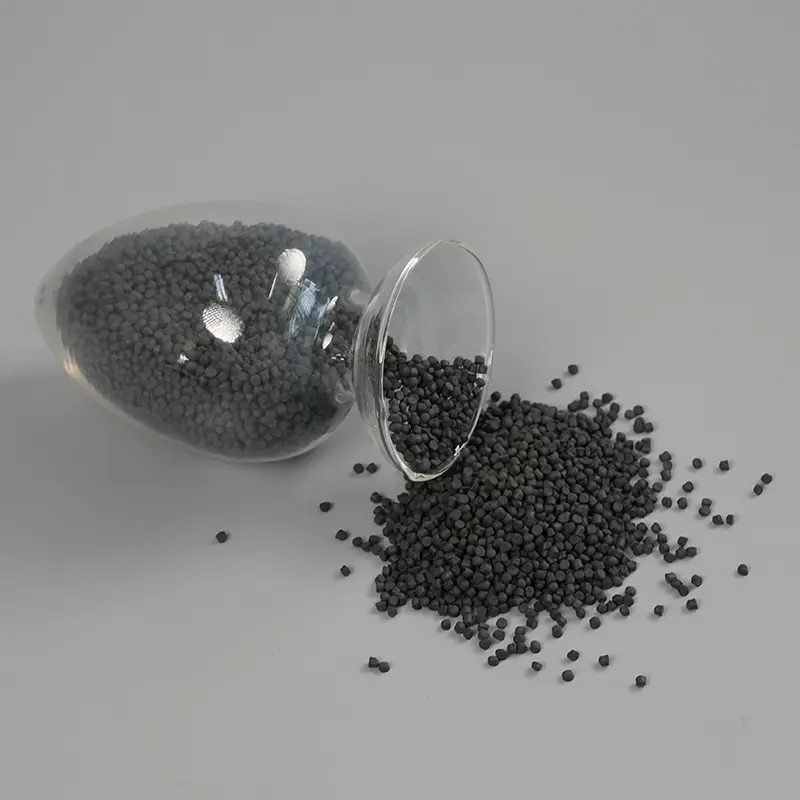
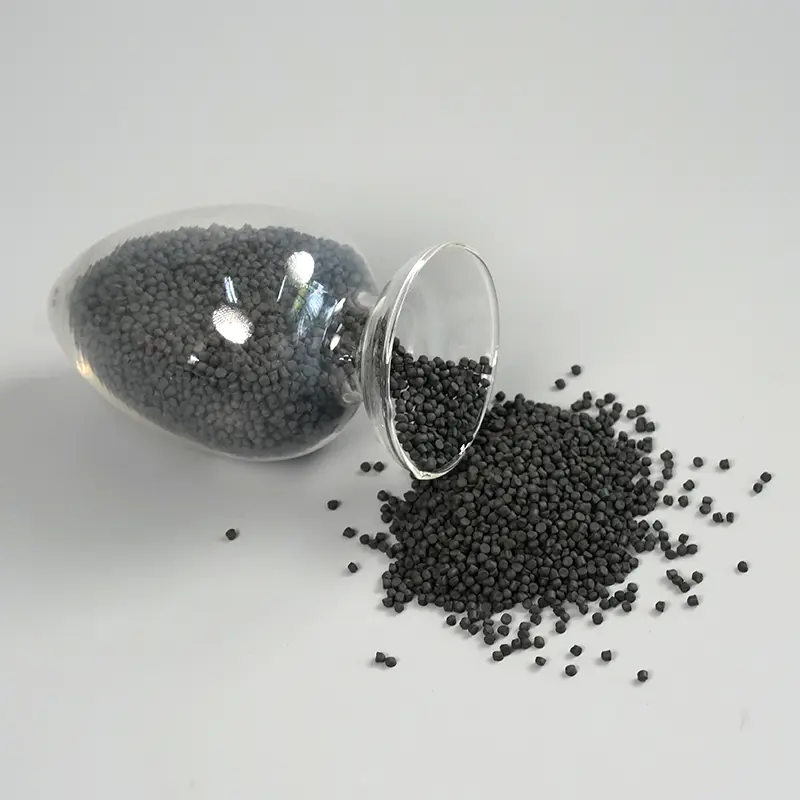
Silane cross-linked low-smoke, halogen-free flame-retardant insulation compounds are designed to address these requirements. The material described in this article is intended for power grid applications, including urban and rural distribution networks, indoor power cables, and other installations requiring dependable regular fire power supply performance. It is available in two representative grades, DS-GW-105 (DW) and DS-GW-125 (DW), providing different balances of density, thermal performance, flame-retardant performance, and processing requirements.
The compound uses silane chemical cross-linking technology. Compared with some other cross-linking routes, silane cross-linking can offer a lower equipment threshold and efficient production organization. It allows cable manufacturers to produce cross-linked insulation without necessarily investing in the same level of specialized equipment associated with more complex processing systems. When the material is correctly processed, moisture-induced cross-linking forms a three-dimensional polymer network that improves heat resistance, dimensional stability, hot deformation resistance, and long-term electrical performance.
In addition to its material properties, the product benefits from the manufacturing and technical capabilities of Jiangsu Duoshang New Materials Technology Co., Ltd. The company focuses on polyolefin cable compounds and develops materials for power, communications, locomotives, photovoltaics, new energy generation, rail transit, marine cables, and other demanding sectors. Its research infrastructure, production capacity, testing support, and broad product portfolio provide a foundation for supplying application-oriented cable compound solutions.
Silane Cross-linked LSZH Flame Retardant Insulation for Power Grids (Class B1/B2)
1. The Role of LSZH Insulation in Modern Power Distribution
Power cables are essential components of almost every infrastructure system. They transport electrical energy through residential districts, commercial buildings, factories, data facilities, stations, tunnels, renewable energy installations, and public facilities. Because cables are often installed in large quantities and routed through enclosed or difficult-to-access spaces, the behavior of their insulation during a fire is extremely important.
Traditional halogen-containing cable materials may generate dense smoke and corrosive gases when exposed to flame. Dense smoke can reduce visibility and complicate evacuation, while corrosive gases may damage sensitive electrical and electronic equipment. In contrast, low-smoke, halogen-free compounds are formulated to reduce smoke release and avoid the use of halogen-based chemistry in the cable insulation system. They are therefore particularly suitable for environments where human safety, equipment protection, and post-fire recovery are important considerations.
LSZH materials are not limited to one installation environment. They can be considered for indoor power cables, public infrastructure, distribution systems, transportation projects, industrial facilities, and installations where cable emissions must be controlled. Their value becomes especially clear in locations with high occupancy, restricted ventilation, or expensive electronic equipment.
However, flame retardancy alone is not enough. A power cable insulation compound must also maintain sufficient tensile strength and elongation, offer stable dielectric insulation, resist thermal aging, tolerate installation stresses, and remain dimensionally stable at elevated temperatures. A material with excellent flame resistance but poor mechanical performance may create processing and reliability problems. The development objective is therefore a balanced compound that integrates safety, electrical properties, mechanical performance, and production practicality.
1.1 Safety Requirements Beyond Flame Resistance
During a cable fire, several material characteristics affect the overall risk. The compound should resist ignition and flame propagation, limit smoke density, maintain structural integrity for as long as possible, and avoid producing excessive acidic or corrosive emissions. The material data for the grades described here include oxygen index, smoke density, pH value, hydrochloric acid and hydrobromic acid content, and conductivity. These measurements provide a broader view of fire-related performance than a single flame test.
The reported oxygen index values are 32% for DS-GW-105 (DW) and 40% for DS-GW-125 (DW), compared with a stated requirement of not less than 28%. A higher oxygen index generally indicates that a material requires a higher oxygen concentration to sustain combustion under the specified test method. The two grades therefore provide a meaningful flame-retardant margin in the listed typical results.
Smoke density is also reported under flaming and flameless conditions. For the flaming condition, the typical values are 65 for DS-GW-105 (DW) and 45 for DS-GW-125 (DW), against a stated limit of 100. Under flameless conditions, the typical values are 320 and 260, respectively, against a stated limit of 350. These results demonstrate the low-smoke orientation of the material and show that the higher-numbered grade provides particularly strong typical smoke-density performance in the supplied data.
The reported pH values are 5.0 and 5.1, with a stated requirement of not less than 4.3. Hydrochloric acid and hydrobromic acid content is listed as less than 0.5% for both grades. Conductivity is listed at 0.52 μS/mm for both grades, below the stated maximum of 10 μS/mm. These results support the use of the compound in LSZH cable designs where reduced corrosive emissions and controlled combustion residues are important.
2. Product Technology: Silane Cross-Linking and Polyolefin Performance
Silane cross-linking is a chemical method used to convert a thermoplastic or partially reactive polymer system into a cross-linked material after extrusion. During processing, silane-functional components are incorporated into the polymer structure. After the insulation has been extruded, exposure to moisture activates hydrolysis and condensation reactions. These reactions create siloxane bridges between polymer chains and gradually form a cross-linked network.
The resulting network improves the compound’s resistance to heat and deformation. In an uncross-linked thermoplastic, elevated temperature can soften the material and allow substantial deformation under load. Cross-linking restricts the movement of polymer chains, helping the insulation retain its geometry when exposed to electrical operating temperatures, short-term overload conditions, and installation-related thermal stresses.
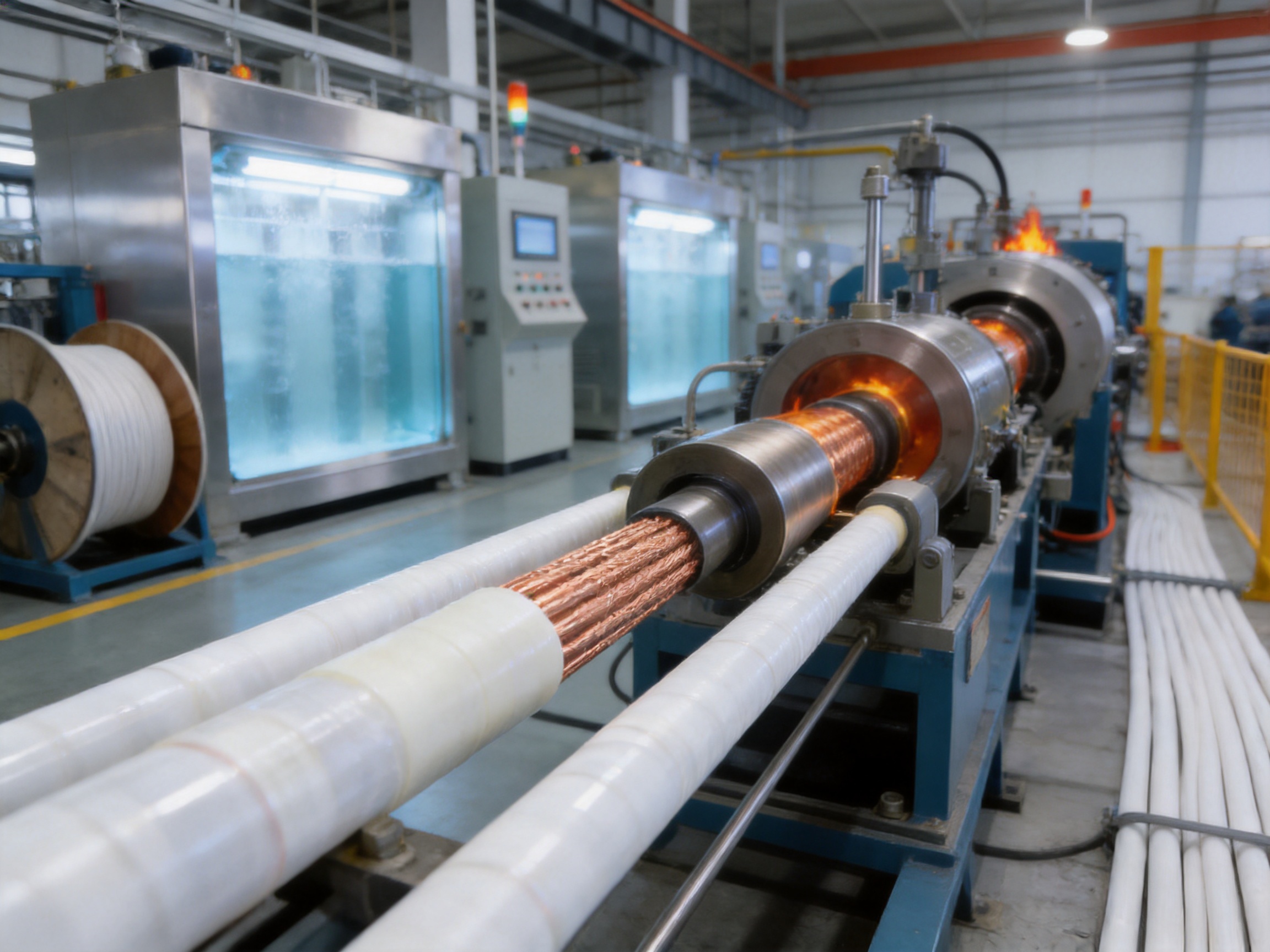
A significant practical advantage of silane cross-linkable materials is the comparatively accessible processing route. The cable manufacturer can use extrusion equipment configured for the relevant compound system, followed by controlled moisture exposure or a suitable curing process. The exact processing parameters depend on the grade, conductor size, insulation thickness, line configuration, ambient conditions, and required production speed. Proper control of temperature, residence time, material handling, and curing conditions remains essential.
The lower processing equipment threshold described for this product can help cable manufacturers reduce barriers to adopting cross-linked LSZH insulation. It may also support efficient production planning, especially for manufacturers that need to produce multiple cable designs on established extrusion lines. Lower equipment requirements do not eliminate the need for process discipline. Instead, they provide greater flexibility in selecting and organizing the production system.
2.1 Cross-Linking and Thermal Stability
The product data indicate good thermal stability after cross-linking. In the air thermal aging test at 135°C for 168 hours, the change rate of tensile strength is +12% for DS-GW-105 (DW) and +15% for DS-GW-125 (DW), within the listed ±25% requirement. The change rate of elongation is -16% and -20%, respectively, also within the stated ±25% requirement.
These results indicate that the material retains a controlled balance of strength and flexibility after accelerated thermal exposure. A moderate change in mechanical properties is expected during aging, but excessive loss of elongation or strength could indicate embrittlement, degradation, or insufficient stabilization. The reported results show that both grades remain within the stated limits under the listed test conditions.
Hot elongation testing provides another indication of cross-linking quality. At 200°C under a 0.2 MPa load for 15 minutes, the elongation under load is 45% for DS-GW-105 (DW) and 50% for DS-GW-125 (DW), compared with a maximum requirement of 100%. Permanent deformation after cooling is listed as 0% for both grades, against a maximum requirement of 25%.
Low hot elongation and zero reported permanent deformation after cooling are important advantages for cable insulation. They indicate that the material can resist excessive flow or distortion when exposed to high temperature and mechanical stress. This helps preserve insulation thickness, electrical spacing, and cable geometry during operation and abnormal thermal events.
3. Electrical Insulation Performance for Power Grid Applications
Insulation reliability is central to the safe operation of power cables. The insulation must separate the conductor from surrounding conductive layers, prevent leakage current, withstand electrical stress, and retain its properties over time. Any deterioration in volume resistivity or dielectric strength can increase the risk of partial discharge, insulation breakdown, tracking, or premature cable failure.
The reported volume resistivity at 20°C is 4.5 × 10¹⁴ Ω·cm for DS-GW-105 (DW) and 4.0 × 10¹⁴ Ω·cm for DS-GW-125 (DW), compared with a listed standard value of 1.0 × 10¹⁴ Ω·cm. These high values indicate strong resistance to the movement of electrical charge through the insulation under the stated test conditions.
Both grades show a dielectric strength of 28 MV/m, exceeding the listed minimum requirement of 20 MV/m. This property is especially relevant when cable insulation must withstand the electrical field generated by the operating voltage. The final performance of a cable depends on many factors, including insulation thickness, conductor design, extrusion quality, void control, surface smoothness, and testing conditions. Nevertheless, the compound’s reported dielectric values provide a strong material foundation for reliable insulation design.
Good electrical insulation must be supported by consistent compounding and clean processing. Contamination, moisture, poor dispersion of additives, foreign particles, and unstable extrusion conditions can create weak points even when the base formulation has strong laboratory properties. For this reason, material manufacturing, packaging, storage, and cable processing should be managed as an integrated quality system.
3.1 Moisture and Electrical Reliability
Because silane cross-linking depends on moisture during the curing stage, moisture management must be carefully controlled throughout production. The compound should be stored and handled according to the supplier’s technical instructions. Excessive uncontrolled moisture before extrusion may affect melt stability or cause premature reactions, while insufficient moisture after extrusion may delay or prevent complete cross-linking.
A professional production process therefore distinguishes between controlled curing moisture and unwanted moisture contamination. Raw material packaging, warehouse conditions, production-line feeding, and post-extrusion curing should be monitored. Cable manufacturers may also need to verify cure level through hot set or hot elongation tests, along with electrical and dimensional inspections.
The product’s listed conductivity and pH results are relevant to this broader reliability picture. Low conductivity helps support insulation behavior, while controlled combustion residue characteristics can reduce the risk of highly conductive or corrosive deposits after a fire. These properties do not replace complete cable qualification, but they contribute to the development of safer cable constructions.
4. Mechanical Performance and Installation Durability
Cable insulation is exposed to mechanical forces during extrusion, take-up, transport, installation, bending, pulling, and service. It must resist tearing and cracking while remaining flexible enough for cable handling. Tensile strength and elongation at break are widely used to assess this balance.
DS-GW-105 (DW) has a reported tensile strength of 12.5 MPa and elongation at break of 165%. DS-GW-125 (DW) has a reported tensile strength of 11 MPa and elongation at break of 160%. Both grades exceed the stated tensile strength requirement of 10.0 MPa and elongation requirement of 150%.
These values indicate that the insulation can combine useful strength with substantial deformation capacity. High elongation is valuable during cable bending and handling because it allows the insulation to accommodate movement without immediate cracking. Adequate tensile strength helps the insulation survive pulling forces, dimensional changes, and mechanical contact during manufacturing.
The specific gravity values are 1.48 g/cm³ for DS-GW-105 (DW) and 1.58 g/cm³ for DS-GW-125 (DW). The difference reflects the formulation balance between polymer, mineral flame-retardant components, processing aids, and other functional additives. Cable manufacturers can consider the grade selection in relation to cable weight, extrusion output, insulation thickness, and required flame-retardant performance.
The low-temperature brittleness temperature test is reported as passing at -25°C for both grades. This result supports applications in environments where cables may experience low ambient temperatures during storage, installation, or operation. Actual suitability should still be evaluated against the minimum temperature, bending radius, cable construction, and installation method specified for a particular project.
4.1 Balancing Flexibility and Flame Retardancy
LSZH flame-retardant compounds often require a substantial loading of inorganic or mineral flame-retardant materials. These additives can improve flame resistance and smoke performance, but excessive loading may increase density, reduce elongation, raise processing torque, or make the insulation less flexible. The formulation challenge is to achieve the required fire behavior without sacrificing mechanical and electrical performance.
The reported results suggest that the two grades have been formulated to maintain this balance. Both provide tensile strength above 10 MPa and elongation above 150%, while also achieving oxygen index values above the listed requirement. Their thermal aging results, hot elongation results, and dielectric properties further show that the formulation is not focused on flame retardancy at the expense of overall cable performance.
For cable manufacturers, this balance can simplify product design. A compound that combines several required properties may reduce the need to compensate for weaknesses elsewhere in the cable structure. It may also help manufacturers develop reliable insulation thicknesses and production speeds without extensive reformulation.
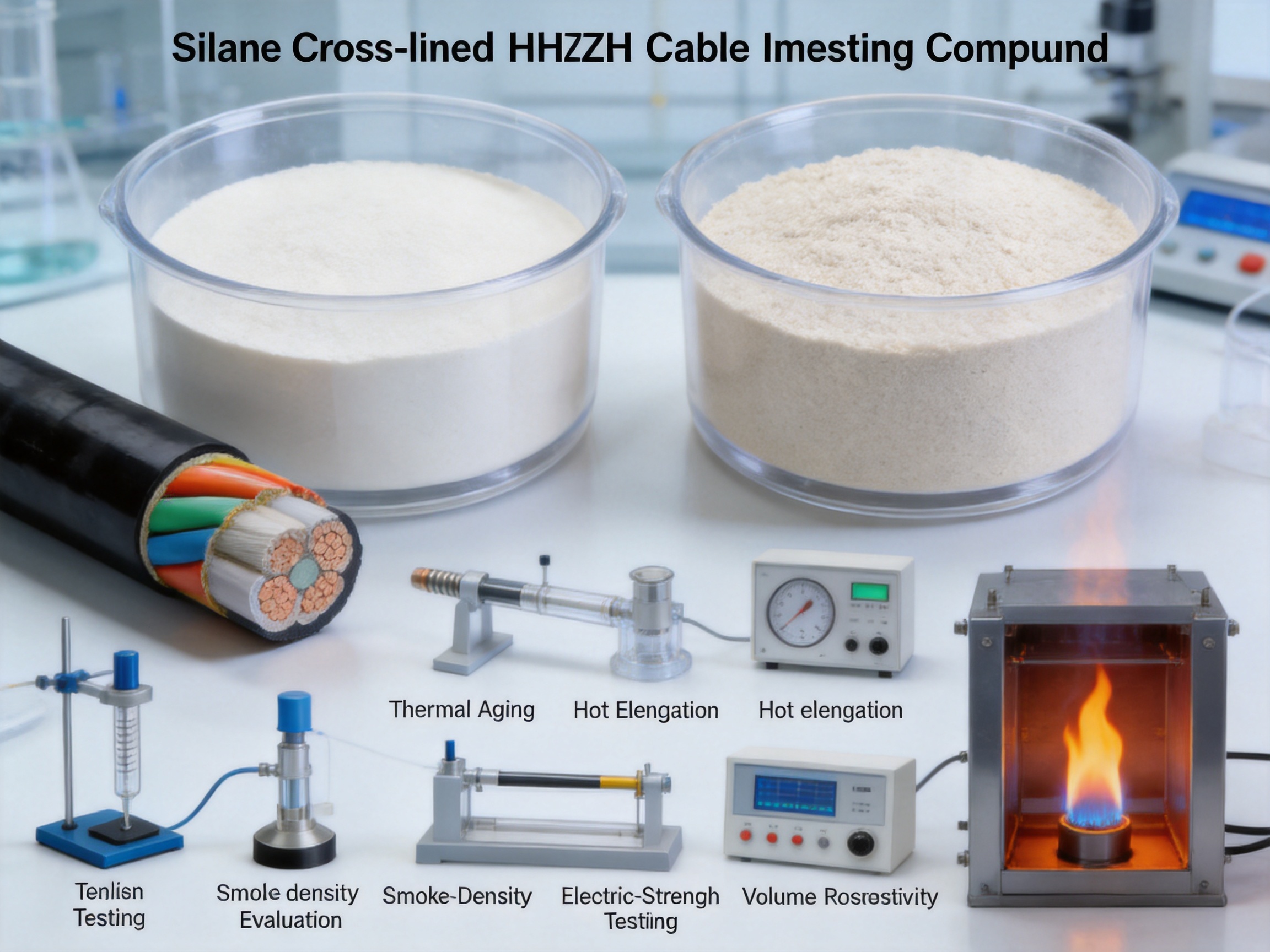
5. Product Grades and Typical Technical Values
The product family includes two representative grades. DS-GW-105 (DW) presents a lower specific gravity and strong overall insulation performance, while DS-GW-125 (DW) provides a higher typical oxygen index and lower typical smoke-density values in the supplied data. Selection should be based on the required cable rating, installation environment, processing system, fire-performance target, and applicable standards.
| No. | Test Item | Unit | Requirement or Standard | DS-GW-105 (DW) | DS-GW-125 (DW) |
|---|---|---|---|---|---|
| 1 | Specific Gravity | g/cm³ | Not specified | 1.48 | 1.58 |
| 2 | Tensile Strength | MPa | ≥10.0 | 12.5 | 11 |
| 3 | Elongation at Break | % | ≥150 | 165 | 160 |
| 4 | Oxygen Index | % | ≥28 | 32 | 40 |
| 5 | Thermal Aging at 135°C for 168 hours: Change in Tensile Strength | % | ±25 | +12 | +15 |
| 5 | Thermal Aging at 135°C for 168 hours: Change in Elongation | % | ±25 | -16 | -20 |
| 6 | Hot Elongation at 200°C, 0.2 MPa, 15 minutes: Elongation Under Load | % | ≤100 | 45 | 50 |
| 6 | Hot Elongation at 200°C, 0.2 MPa, 15 minutes: Permanent Deformation After Cooling | % | ≤25 | 0 | 0 |
| 7 | Smoke Density, Flaming | — | ≤100 | 65 | 45 |
| 7 | Smoke Density, Flameless | — | ≤350 | 320 | 260 |
| 8 | Volume Resistivity at 20°C | Ω·cm | 1.0 × 10¹⁴ | 4.5 × 10¹⁴ | 4.0 × 10¹⁴ |
| 9 | Dielectric Strength | MV/m | ≥20 | 28 | 28 |
| 10 | Low-Temperature Brittleness Temperature | °C | -25 | Pass | Pass |
| 11 | pH Value | — | ≥4.3 | 5.0 | 5.1 |
| 12 | Hydrochloric Acid and Hydrobromic Acid Content | % | ≤0.5 | <0.5 | <0.5 |
| 13 | Conductivity | μS/mm | ≤10 | 0.52 | 0.52 |
The values in the table are typical values supplied for the two grades and should not be interpreted as a substitute for a project-specific certificate of analysis, cable qualification report, or applicable regulatory approval. Production results may vary according to batch, test method, specimen preparation, conditioning, and processing history.
6. Advantages Compared with Conventional Cable Material Options
The principal advantage of this product is its combination of LSZH flame-retardant performance with silane cross-linking and practical processing. Conventional thermoplastic cable compounds may be easier to process but can show greater softening and deformation at elevated temperature. Some cross-linked materials may provide strong thermal performance but require more specialized processing equipment, higher capital investment, or more complicated production control.
The silane cross-linkable approach occupies a useful position between these alternatives. It offers the performance benefits associated with cross-linking while maintaining a comparatively accessible production route. This can be important for cable producers that want to upgrade insulation performance without completely replacing their manufacturing infrastructure.
Another advantage is the breadth of measured performance. The product is not characterized only by tensile strength or oxygen index. The supplied data also address thermal aging, hot elongation, permanent deformation, smoke density, volume resistivity, dielectric strength, low-temperature brittleness, pH, acid-gas content, and conductivity. This broader property profile is valuable when designing cables for real distribution environments rather than optimizing for a single laboratory criterion.
Compared with halogen-containing materials, the LSZH formulation is better aligned with projects where smoke and corrosive emissions must be controlled. Compared with less flame-retardant polyolefin insulation, the reported oxygen index and smoke-density values offer stronger fire-safety characteristics. Compared with some highly filled flame-retardant compounds, the mechanical data indicate that the product retains useful tensile strength and elongation.
It is important to make comparisons responsibly. No compound is automatically superior for every cable structure, voltage class, environmental condition, or regulatory system. A material should be judged against the actual requirements of the intended application. Nevertheless, the combination of low smoke, halogen-free chemistry, cross-linked thermal stability, electrical insulation performance, and practical processing gives this product a strong competitive position in the LSZH power-cable compound market.
6.1 Cost and Production Efficiency
The product description emphasizes lower comprehensive cost. Cost performance in cable manufacturing includes more than the purchase price per kilogram. It also includes equipment investment, line utilization, production speed, scrap rate, curing time, storage requirements, quality-control workload, energy consumption, and the cost of handling or reworking defective cable.
A silane cross-linkable compound can support cost control when the manufacturer already has suitable extrusion equipment and can organize curing efficiently. The lower equipment threshold may reduce the barrier to production adoption. Stable processing can also reduce line interruptions and improve material yield. When the compound is matched correctly to the cable design, its balanced mechanical and electrical properties may reduce the need for additional processing adjustments.
The economic result depends on the complete production system. Manufacturers should evaluate actual extrusion output, curing conditions, cooling requirements, insulation concentricity, surface quality, scrap rate, and final test results. Pilot production is recommended before full-scale adoption, especially for large conductors, thick-wall insulation, multi-layer constructions, or high-volume cable orders.
7. Manufacturing Strengths and Research Capabilities
The material is supplied by Jiangsu Duoshang New Materials Technology Co., Ltd., a company located in Nantong City, Jiangsu Province, China. The company specializes in the research, development, production, and sales of polyolefin cable compounds. Its technical focus is directly aligned with the requirements of cable manufacturers seeking stable, application-specific polymer materials.
The company operates an R&D center covering more than 3,000 square meters and equipped with more than RMB 35 million worth of research equipment. Its professional research team includes more than 30 members, including five doctors and several recipients of provincial and municipal talent awards. This technical structure supports formulation development, laboratory evaluation, process optimization, and customer-oriented material improvement.
Research capacity is particularly important for LSZH compounds because performance depends on the interaction of many ingredients. The polymer matrix, flame-retardant system, coupling components, stabilizers, lubricants, pigments, catalysts, and processing aids must work together. A change that improves oxygen index may affect melt flow or elongation. A change that improves flexibility may influence smoke density or hot deformation. Formulation development therefore requires systematic testing rather than single-property optimization.
A dedicated R&D center also supports faster response to customer requirements. Cable manufacturers may need different melt-flow characteristics, curing speeds, color options, hardness levels, insulation thickness compatibility, or flame-retardant performance. Application-oriented development can help adapt the compound to the customer’s extrusion equipment and product architecture.
7.1 Production Bases and Supply Capacity
The company operates two production bases covering more than 15,000 square meters, with more than 10 production lines for polyolefin cable compounds. This production structure supports stable supply and provides flexibility for different compound families, batch sizes, and customer programs.
Production capacity matters because cable manufacturers generally require consistent material availability. Interruptions in compound supply can affect cable delivery schedules, line planning, inventory levels, and customer commitments. Multiple production lines and production bases can help support continuity, although each customer should confirm lead times, minimum order quantities, packaging formats, and quality documentation during commercial evaluation.
Manufacturing scale also enables more systematic quality control. Batch identification, raw-material inspection, process monitoring, finished-product testing, and retained-sample management can be integrated into a repeatable production process. For cable materials, consistency is as important as peak laboratory performance. A compound that performs well in one batch but varies significantly between batches can create serious production challenges.
The company’s product portfolio includes eight major categories and more than 50 varieties. These include ultraviolet-cross-linked compounds, silane cross-linkable compounds, irradiation cross-linked compounds, thermoplastic LSZH flame-retardant compounds, polyethylene sheath compounds, and other specialized materials. This portfolio allows the supplier to understand the relationship between insulation, sheathing, cross-linking, flame retardancy, and the final cable construction.
8. Application Areas
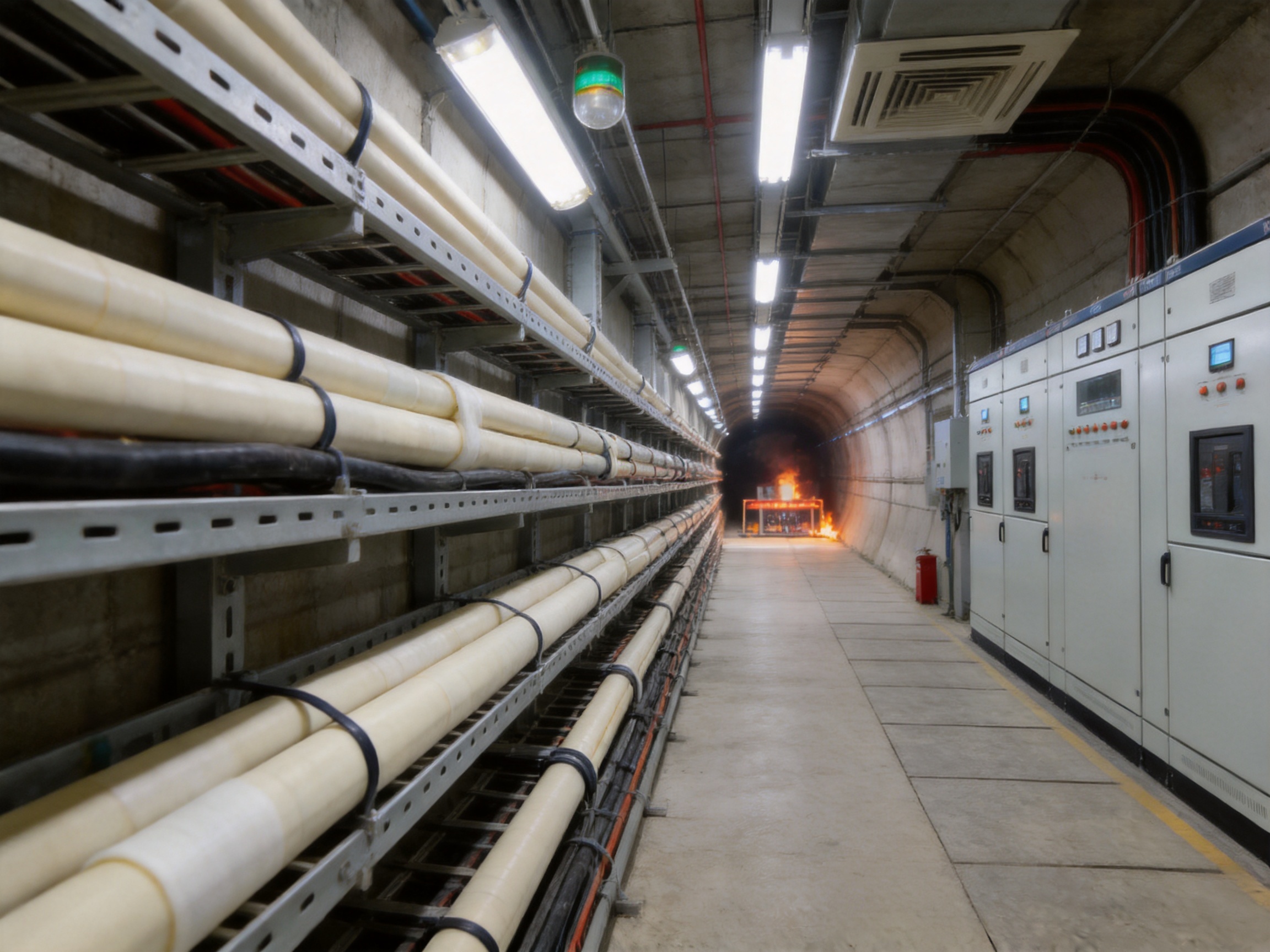
The primary applications for this silane cross-linked LSZH insulation compound include urban and rural distribution networks and indoor power cables. These applications often require reliable insulation, controlled fire behavior, mechanical durability, and practical production economics.
8.1 Urban Distribution Networks
Urban power distribution systems are installed near residential areas, commercial buildings, hospitals, schools, transportation facilities, and public infrastructure. Cable routes may pass through underground ducts, utility corridors, buildings, and other confined spaces. In such environments, reducing smoke and corrosive emissions during a fire can support emergency response and protect nearby equipment.
The compound’s low-smoke and halogen-free characteristics make it relevant to urban cable projects where environmental and safety specifications are strict. Its electrical insulation properties support dependable power transmission, while its cross-linked structure helps maintain performance under elevated operating temperatures.
8.2 Rural Distribution Networks
Rural distribution systems may experience a wide range of environmental conditions, including seasonal temperature variation, transportation and installation challenges, and limited access for maintenance. Cable materials must be robust, stable, and suitable for efficient production in the cable types required by local networks.
The reported low-temperature brittleness performance, tensile strength, elongation, and thermal aging results provide a useful basis for considering the material in these applications. Final selection should account for exposure conditions, cable routing, voltage level, installation practice, and the mechanical requirements of the complete cable.
8.3 Indoor Power Cables
Indoor cables are frequently installed in buildings where people and electronic equipment are present. Smoke control is important in offices, shopping facilities, factories, data rooms, public venues, and transportation buildings. A low-smoke, halogen-free insulation system can help reduce the hazards associated with cable combustion compared with conventional halogen-containing materials.
The material’s reported flaming and flameless smoke-density values, oxygen index, pH value, acid-gas content, and conductivity are relevant to this application category. Cable designers should combine the insulation with suitable sheathing, fillers, tapes, screens, and other components so that the complete cable meets the required fire-performance classification.
9. Processing Guidance for Cable Manufacturers
Successful use of a silane cross-linkable LSZH compound requires coordinated control from material receipt through final cable testing. The following considerations provide a general framework, but the supplier’s technical data sheet and processing recommendations should take priority for each grade and cable design.
9.1 Storage and Handling
Moisture-sensitive materials should remain in their original sealed packaging until they are needed for production. Storage areas should be clean, dry, and protected from excessive heat, direct sunlight, and contamination. First-in, first-out inventory management can help maintain predictable material history. Opened packages should be resealed or consumed within the recommended period.
Material identification should be maintained throughout handling. The grade, batch number, production date, and storage status should be traceable. Mixing different grades or unidentified regrind into the production stream should be avoided unless the supplier has specifically approved the practice.
9.2 Extrusion Control
Extrusion temperature, screw speed, back pressure, die design, cooling conditions, and line speed all influence insulation quality. Excessive temperature may initiate unwanted reactions or degrade sensitive components, while insufficient temperature may produce poor dispersion or unstable melt flow. The ideal processing window should be established through trial production and verified by dimensional, mechanical, electrical, and hot-set testing.
Die design is also important. The insulation should be applied concentrically around the conductor with a smooth and uniform surface. Voids, gels, unmixed particles, surface roughness, and eccentricity can reduce electrical reliability or create mechanical weak points. Online diameter monitoring and regular cross-sectional inspection can help identify process variation.
9.3 Moisture Curing
After extrusion, the silane-functional system undergoes moisture-induced cross-linking. Cure time depends on the material formulation, cable dimensions, environmental humidity, temperature, and curing method. Thick insulation may require more time than thin insulation. The cable manufacturer should verify the degree of cross-linking before releasing production cable.
Hot elongation and permanent deformation testing are useful indicators of cure quality. The supplied product data show typical elongation under load of 45% and 50%, with zero permanent deformation after cooling for both grades under the listed test conditions. Production control should confirm that the actual cable insulation reaches an appropriate and consistent cure level.
9.4 Quality Verification
Routine quality verification may include dimensional inspection, tensile strength, elongation at break, hot elongation, volume resistivity, dielectric strength, visual inspection, and other tests required by the cable standard or customer specification. Fire-performance tests should be conducted on the complete cable construction when required, because the performance of the final cable depends on all constituent layers.
Material testing should be connected to process records. If a result changes, the manufacturer should be able to identify the material batch, extrusion line, processing conditions, curing history, operator, and test equipment involved. This traceability supports corrective action and continuous improvement.
10. How the Product Supports Cable Design
A cable compound is most valuable when it helps the designer achieve a reliable overall structure. The insulation material should be evaluated together with the conductor, screen, filler, binder, armor, sheath, water-blocking system, and protective layers. The target is not simply to meet isolated material values; it is to construct a cable that performs consistently under electrical, mechanical, thermal, and fire conditions.
The reported dielectric strength of 28 MV/m can support insulation design by providing a strong electrical withstand foundation. The high volume resistivity values support low leakage behavior. Tensile strength and elongation provide mechanical flexibility during handling. Hot elongation and permanent deformation results support dimensional stability at elevated temperature. Oxygen index and smoke-density results contribute to fire-performance planning.
The availability of two grades also gives designers a choice. DS-GW-105 (DW) may be considered where a lower typical specific gravity and strong balanced properties are desirable. DS-GW-125 (DW) may be considered where higher typical oxygen index and lower typical smoke-density values are priorities. The final selection should be based on verified cable tests and the requirements of the target market.
In applications involving high voltage, unusual conductor dimensions, demanding bending cycles, or extreme environmental exposure, additional evaluation is necessary. The product data supplied here are a strong starting point, but every cable design should be qualified according to its own construction and intended service conditions.
11. Technical Service and Customized Material Solutions
Different cable manufacturers have different extrusion lines, production speeds, conductor materials, insulation thicknesses, curing environments, and quality systems. A material that works well on one line may require parameter adjustment on another. Supplier technical support is therefore an important part of product value.
Duoshang focuses on application-oriented solutions, R&D and testing support, technical documentation, stable supply capacity, and customized material solutions for customers worldwide. This approach is relevant to manufacturers that need more than a standard commodity compound. They may require support with grade selection, processing trials, performance comparison, failure analysis, or the development of a customized formulation.
Technical cooperation can begin with the definition of the cable application. Important information includes conductor type and size, rated voltage, insulation thickness, extrusion equipment, target output, curing method, operating temperature, installation environment, required fire classification, and applicable test standards. With this information, the material supplier and cable manufacturer can identify the most suitable grade and establish an efficient trial plan.
Documentation is also important for international customers. Technical data sheets, safety information, test reports, batch certificates, packaging details, storage recommendations, and processing guidelines help support purchasing, production, and regulatory review. Clear technical communication reduces the risk of incorrect material handling and improves the repeatability of production results.
12. Frequently Asked Questions
What is a silane cross-linked LSZH compound?
It is a low-smoke, halogen-free cable compound that uses silane chemistry to form a cross-linked polymer network after extrusion and controlled moisture exposure. The cross-linked structure improves heat resistance, hot deformation resistance, and dimensional stability compared with an equivalent uncross-linked thermoplastic system.
What types of cables can use this material?
The material is intended for power grid applications, including urban and rural distribution networks and indoor power cables. It may also be evaluated for other power-cable constructions where LSZH flame-retardant insulation and cross-linked thermal performance are required. Suitability should be confirmed through application-specific testing.
What are the main advantages over conventional halogen-containing insulation?
The compound is designed to reduce smoke and avoid halogen-containing insulation chemistry. Its supplied data include controlled smoke density, pH value, hydrochloric acid and hydrobromic acid content, and conductivity. These characteristics are useful where fire safety, evacuation visibility, corrosion control, and protection of electronic equipment are important.
How do DS-GW-105 (DW) and DS-GW-125 (DW) differ?
DS-GW-105 (DW) has a typical specific gravity of 1.48 g/cm³, oxygen index of 32%, flaming smoke density of 65, and flameless smoke density of 320. DS-GW-125 (DW) has a typical specific gravity of 1.58 g/cm³, oxygen index of 40%, flaming smoke density of 45, and flameless smoke density of 260. Both grades provide similar dielectric strength and strong mechanical performance, but the final choice should reflect the cable design and fire-performance priorities.
Does the compound require special cross-linking equipment?
Silane cross-linking generally has a lower processing equipment threshold than some other cross-linking technologies. However, the cable manufacturer still needs suitable extrusion equipment, controlled material handling, and an appropriate moisture-curing process. The required equipment and curing time should be confirmed with the supplier for the selected grade and cable construction.
What is the reported thermal aging performance?
After air thermal aging at 135°C for 168 hours, the change in tensile strength is +12% for DS-GW-105 (DW) and +15% for DS-GW-125 (DW). The change in elongation is -16% and -20%, respectively. These typical values are within the stated ±25% requirement.
What does the hot elongation data indicate?
At 200°C under a 0.2 MPa load for 15 minutes, the typical elongation under load is 45% for DS-GW-105 (DW) and 50% for DS-GW-125 (DW). Permanent deformation after cooling is reported as 0% for both grades. These results indicate good resistance to high-temperature flow and deformation under the specified test conditions.
Are the listed values guaranteed for every production batch?
The supplied figures are typical values. Actual batch results can vary within the supplier’s quality specifications according to test method, conditioning, processing history, and formulation control. Customers should request current technical documentation and certificates of analysis when specific contractual or regulatory values are required.
Can the material be customized?
The supplier provides customized material solutions and application-oriented technical support. Potential development areas may include processing characteristics, fire performance, mechanical balance, color, curing behavior, or compatibility with a particular cable design. Customization should be defined through technical discussions and validation trials.
What should be checked before commercial production?
Manufacturers should verify storage conditions, extrusion temperature, melt stability, insulation concentricity, surface quality, cure level, tensile properties, elongation, hot elongation, electrical performance, and complete-cable fire behavior. A pilot run is recommended before high-volume production, particularly for new equipment or new cable constructions.
13. Conclusion
Silane cross-linked LSZH flame-retardant insulation provides a practical material solution for power grid and indoor cable applications requiring a balanced combination of fire safety, electrical insulation, mechanical durability, thermal stability, and production efficiency. The two grades described in this article demonstrate strong typical values for tensile strength, elongation, oxygen index, thermal aging, hot elongation, smoke density, volume resistivity, dielectric strength, low-temperature brittleness, pH, acid-gas content, and conductivity.
The most important product advantage is the integration of performance and manufacturability. Silane cross-linking supports improved thermal and dimensional stability while maintaining a comparatively accessible production route. The LSZH formulation addresses smoke and halogen-related concerns. The mechanical and electrical results help support dependable cable construction. Together, these characteristics create a competitive alternative to conventional thermoplastic, halogen-containing, or more equipment-intensive cross-linked insulation systems.
The supplier’s capabilities further strengthen the product proposition. A dedicated R&D center, professional technical team, substantial research equipment, multiple production bases, more than 10 polyolefin compound production lines, and a portfolio covering more than 50 varieties provide a broad foundation for consistent supply and application development.
For cable manufacturers, the best results will come from treating the compound as part of a complete engineering and quality system. Correct grade selection, controlled storage, optimized extrusion, reliable moisture curing, and complete cable qualification are essential. When these elements are managed properly, silane cross-linked LSZH insulation can help power cable producers meet modern expectations for safety, reliability, efficiency, and long-term service performance.
References
1. Supplier-provided technical information for DS-GW-105 (DW) and DS-GW-125 (DW) silane cross-linkable LSZH flame-retardant insulation compounds.
2. Supplier-provided company profile and manufacturing capability information for Jiangsu Duoshang New Materials Technology Co., Ltd.
3. General principles of polyolefin cable insulation design, cross-linking, thermal aging, and electrical insulation testing.
4. General testing principles for oxygen index, smoke density, hot elongation, volume resistivity, dielectric strength, and low-temperature brittleness of cable materials.
5. General industry practices for low-smoke, halogen-free cable construction, storage, extrusion processing, moisture curing, and complete-cable qualification.