English
 Français
 Español
 русский
 عربى
Green Ohm
Green Ohm
Green Ohm
Green Ohm
Green Ohm
Green Ohm
Green Ohm
Green Ohm
Green Ohm
Content
- 1 Why Cable Sheathing Matters in Rail Transit
- 2 Product Overview
- 3 Key Technical Performance
- 4 Resistance to Heat and Temperature Variation
- 5 Chemical, Moisture, and Environmental Resistance
- 6 Electrical Insulation Performance
- 7 Comparison with General-Purpose Cable Materials
- 8 Manufacturing and Technical Strengths
- 9 Processing Considerations for Cable Manufacturers
- 10 Applications in Rail Transit
- 11 Typical Technical Data
- 12 Quality, Supply, and Customization Advantages
- 13 How to Select the Appropriate Grade
- 14 Q&A
- 14.1 What is this product?
- 14.2 What are the main advantages of the material?
- 14.3 How many grades are available in the supplied product family?
- 14.4 What oxygen index values are reported?
- 14.5 What smoke-density results are reported?
- 14.6 Can the material be used in subway tunnels?
- 14.7 Is the material suitable for high-speed trains?
- 14.8 Does the material resist low temperatures?
- 14.9 Does the material resist thermal shock?
- 14.10 How does the material compare with conventional halogen-containing sheathing?
- 14.11 Can the supplier provide customized formulations?
- 14.12 Are the listed values guaranteed for every batch?
- 14.13 What information should a cable manufacturer provide when requesting a quotation?
- 15 Conclusion
- 16 References
- 17 Product: LSZH Flame Retardant Sheathing Material for Rail Transit (Class B1/B2)
Rail transit cable systems operate in environments where fire performance, low smoke generation, mechanical durability, electrical stability, and long-term reliability must work together. Subway tunnels, underground stations, high-speed train compartments, traction equipment rooms, and signal-control areas may have limited ventilation and restricted evacuation routes. In these conditions, the cable sheath is not merely an external protective layer. It is an important part of the overall safety system.
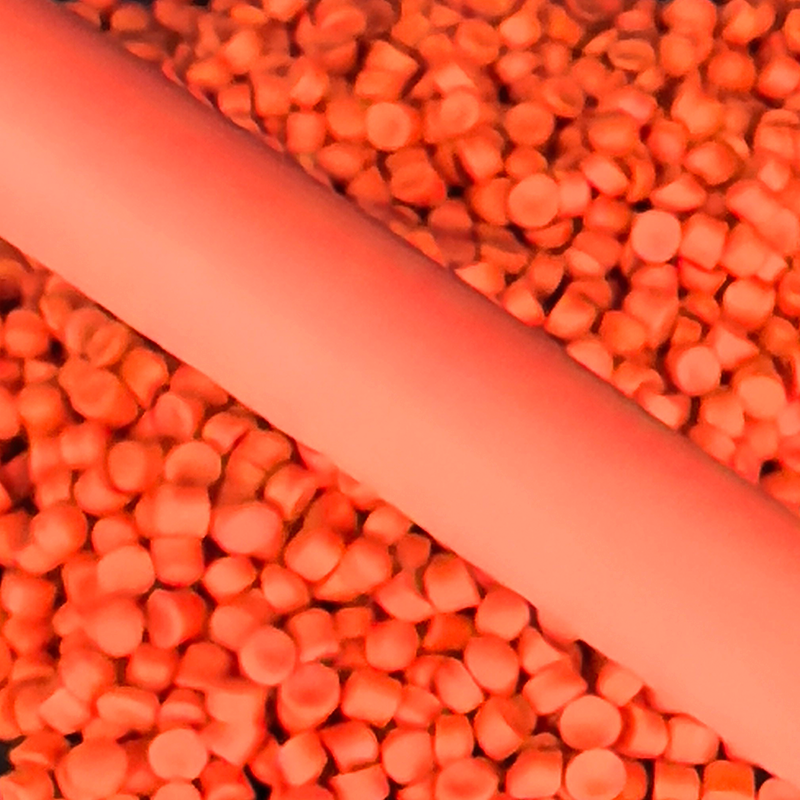
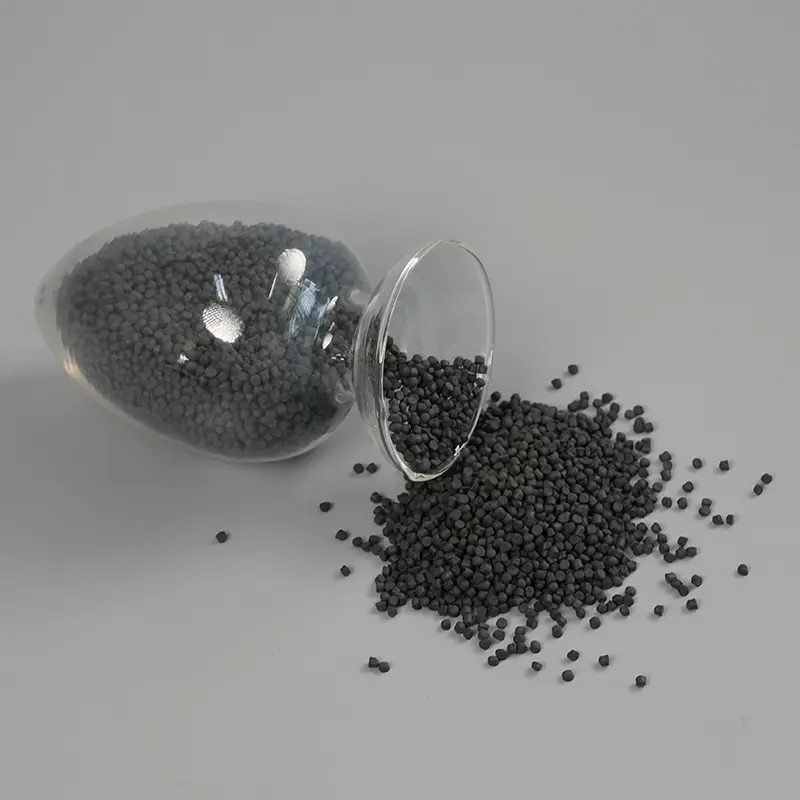
The LSZH flame-retardant sheathing materials described in this article are thermoplastic low-smoke, halogen-free compounds developed for rail transit applications. They are designed for subway cables, high-speed train traction cables, signal cables, and related wiring systems requiring improved fire behavior and reduced corrosive emissions. The product family includes DS-WDZH-01A (GD), DS-WDZH-01B (GD), DS-WDZH-01 (GD), and DS-WDZH-02 (GD), offering closely related performance profiles for different cable construction and application requirements.
These materials combine a low-smoke halogen-free formulation with mechanical strength, elongation, thermal aging resistance, low-temperature flexibility, electrical insulation performance, chemical resistance, and resistance to thermal shock. Their formulation is intended to support cable manufacturers seeking a dependable alternative to conventional halogen-containing sheath materials or general-purpose compounds that may not provide sufficient performance in enclosed rail environments.
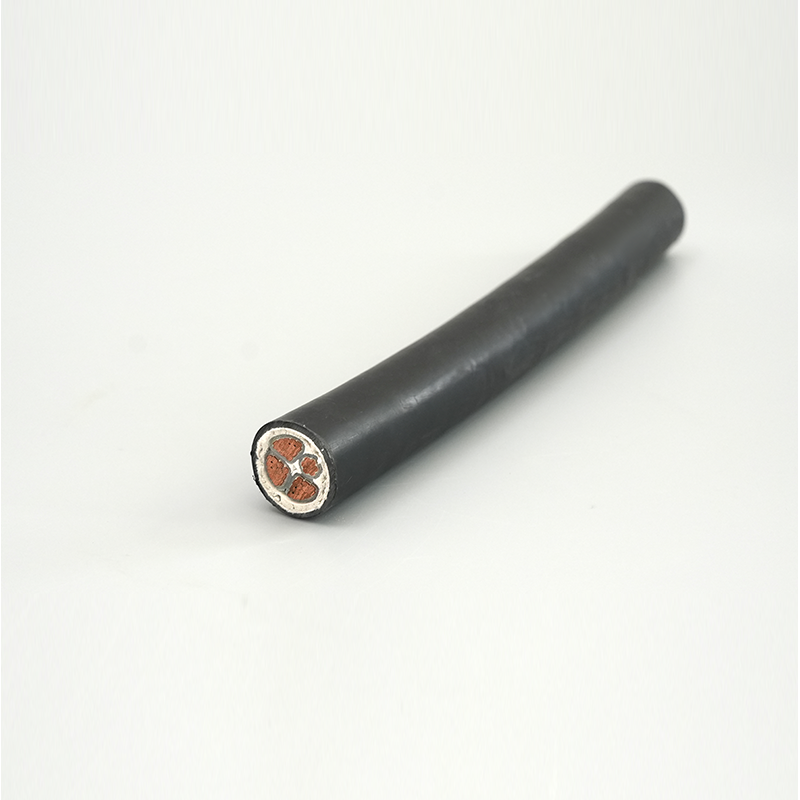
LSZH Flame Retardant Sheathing Material for Rail Transit (Class B1/B2)
Why Cable Sheathing Matters in Rail Transit
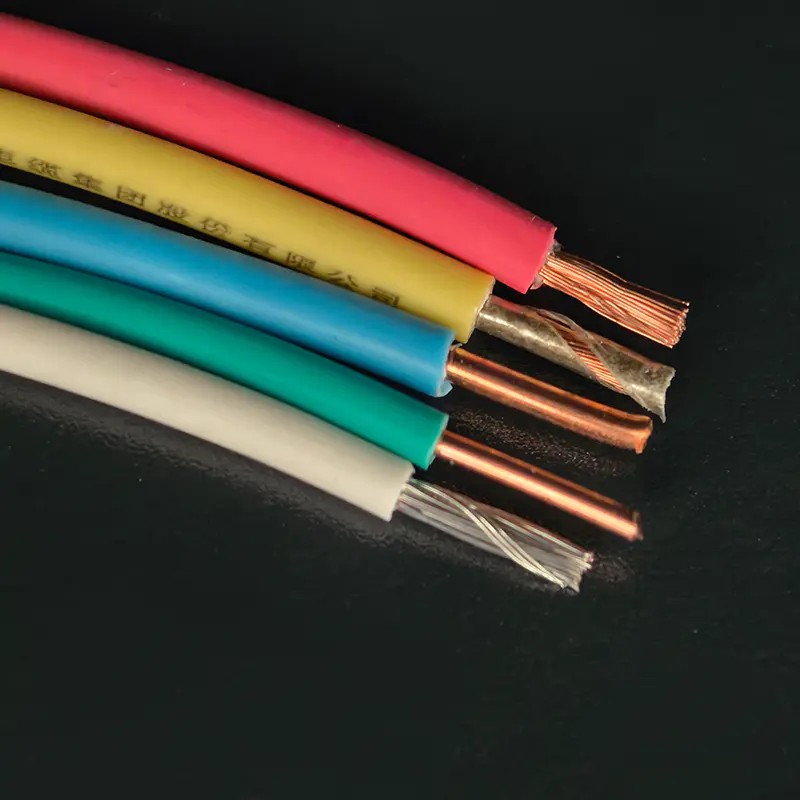
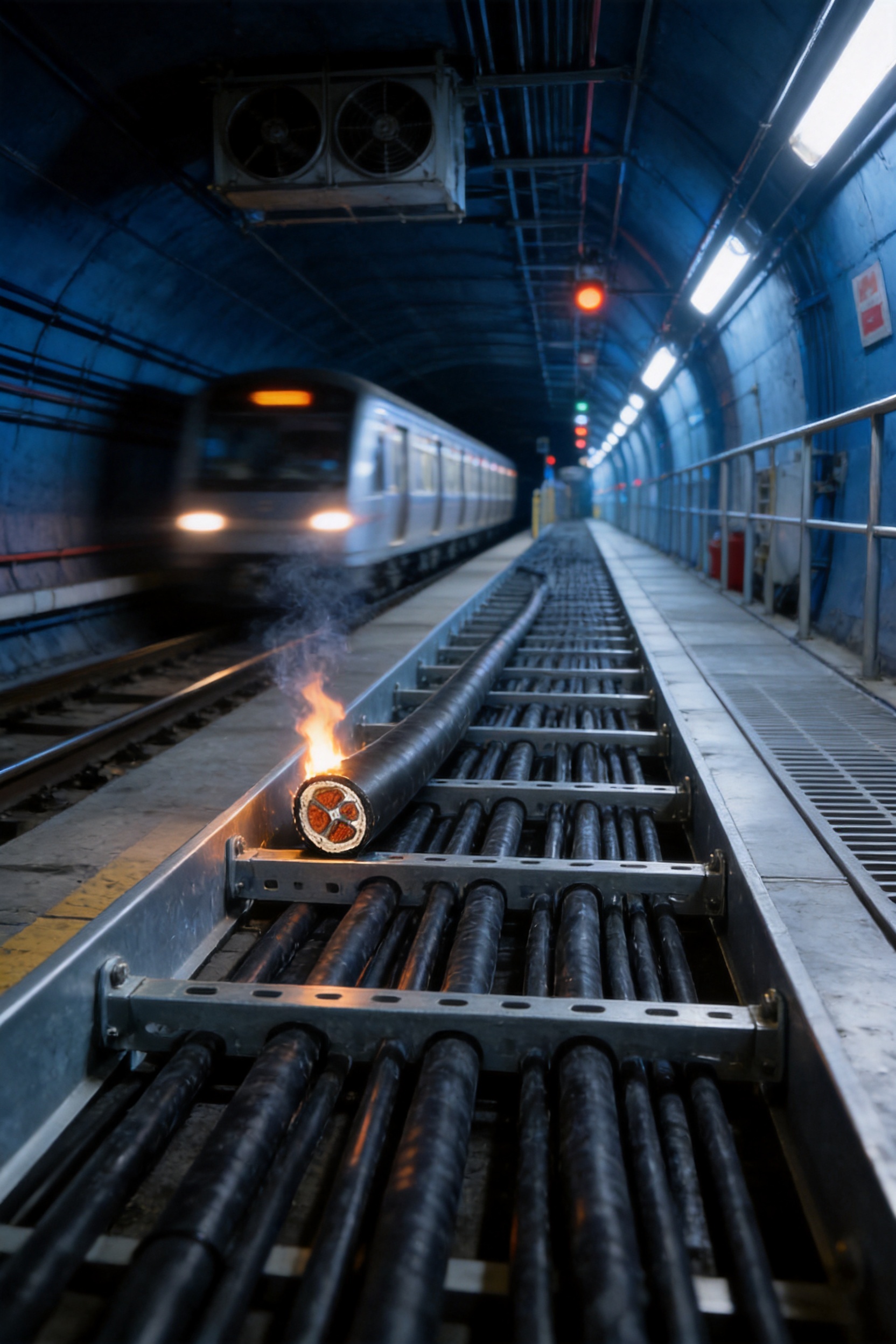
Rail vehicles and rail infrastructure contain a large number of power, traction, communication, control, instrumentation, and signaling cables. These cables may be installed in cable ducts, equipment cabinets, underfloor assemblies, ceiling spaces, wall cavities, tunnel service channels, or crowded technical compartments. If a fire occurs, cable materials can influence the speed of flame propagation, the quantity of smoke released, the visibility available for evacuation, and the corrosive effect of combustion products on equipment and structures.
Conventional halogen-containing cable materials can generate acidic and corrosive gases when exposed to fire. These gases may damage metal components, electronic systems, connectors, and structural elements. They can also create additional hazards for passengers, operators, maintenance personnel, and emergency responders. In a tunnel or train carriage, where the movement of smoke may be difficult to control, minimizing smoke and corrosive emissions is especially important.
Low-smoke halogen-free materials address this challenge by using a formulation designed to limit halogen-based emissions and reduce smoke development under specified test conditions. The product data supplied for this material family reports hydrogen chloride and hydrogen bromide content below 0.5%, a pH value of approximately 5.1 to 5.2, and conductivity of approximately 1.1 microSiemens per millimeter. These values indicate a focus on reducing acidic and conductive combustion residues compared with materials that release larger quantities of corrosive halogen compounds.
Fire safety is only one part of rail cable performance. The sheath must also withstand pulling, bending, abrasion, compression, installation stress, temperature variation, humidity, oil contamination, cleaning agents, tunnel moisture, and long service periods. A compound with good flame performance but poor mechanical durability may fail during installation or operation. The value of an advanced rail transit LSZH material therefore comes from the balance of its properties rather than from a single specification.
Product Overview
The product is a thermoplastic LSZH sheathing compound for rail transit cable applications. It is suitable for cables used in subway systems, high-speed trains, traction systems, signal networks, control circuits, and other transportation-related electrical installations. The material is intended for extrusion into cable sheath structures and can be selected according to the required balance of mechanical, flame-retardant, thermal, and processing performance.
The product family includes four grades with similar general characteristics:
DS-WDZH-01A (GD) is listed with a typical density of 1.48 g/cm³, tensile strength of 13 MPa, elongation at break of 175%, oxygen index of 35%, flaming smoke density of 78, and flameless smoke density of 310.
DS-WDZH-01B (GD) is listed with a typical density of 1.48 g/cm³, tensile strength of 13 MPa, elongation at break of 175%, oxygen index of 35%, flaming smoke density of 75, and flameless smoke density of 318.
DS-WDZH-01 (GD) is listed with a typical density of 1.48 g/cm³, tensile strength of 13 MPa, elongation at break of 180%, oxygen index of 34%, flaming smoke density of 70, and flameless smoke density of 305.
DS-WDZH-02 (GD) is listed with a typical density of 1.49 g/cm³, tensile strength of 12 MPa, elongation at break of 180%, oxygen index of 32%, flaming smoke density of 70, and flameless smoke density of 320.
All four grades meet the listed tensile-strength requirement of at least 10.0 MPa and elongation requirement of at least 160%. Their reported oxygen index values range from 32% to 35%, supporting their intended flame-retardant application. The grades also pass the reported thermal shock, ozone resistance, and low-temperature brittleness tests.
Key Technical Performance
Mechanical Strength and Flexibility
Rail transit cables are exposed to mechanical stress throughout their life cycle. During manufacturing, the sheath passes through extrusion equipment, cooling systems, take-up devices, and winding operations. During cable assembly, it may be bent, pulled, stripped, tied, clamped, or routed through compact spaces. During service, vibration, repeated movement, vehicle acceleration, track irregularities, and maintenance activities can place additional stress on the sheath.
The material family provides typical tensile strength values from 12 to 13 MPa. The standard requirement shown in the supplied data is at least 10.0 MPa. Typical elongation at break values range from 175% to 180%, compared with a listed requirement of at least 160%. This combination indicates a sheath compound designed to provide both load-bearing capability and flexibility.
High elongation is important because cable sheaths must accommodate bending and movement without cracking. A material that is strong but excessively rigid may be difficult to process and may concentrate stress around bends, clamps, and termination points. A material with adequate strength and substantial elongation can better tolerate installation deformation and service movement.
The reported mechanical properties also help distinguish these compounds from low-cost general-purpose materials that may not be engineered specifically for rail cable requirements. The product is positioned as a balanced material rather than a formulation optimized only for flame retardancy. This balance can support stable cable construction, reduced risk of sheath damage, and more reliable performance during installation.
Flame Retardancy and Oxygen Index
The oxygen index is a useful comparative indicator of a polymer material’s resistance to sustained combustion. The product data reports oxygen index values of 32% to 35%, exceeding the listed minimum standard of 30%. A higher oxygen index generally indicates that the material requires a higher oxygen concentration to continue burning under the conditions of the relevant test method.
The oxygen index should not be treated as a complete description of cable fire performance. Actual cable behavior depends on sheath thickness, cable diameter, conductor arrangement, fillers, insulation materials, installation configuration, ignition source, ventilation, and the applicable fire test method. Nevertheless, the reported values demonstrate that the compound has been formulated with a significant flame-retardant focus.
For rail transit applications, flame retardancy must be considered together with smoke density and chemical emissions. A material that resists ignition but produces excessive smoke may still create serious risks in an enclosed station or vehicle. The product therefore combines an oxygen index above the listed standard with smoke-density control and low halogen-acid emission characteristics.
Smoke Density Performance
Smoke visibility is a major safety concern in underground and enclosed transportation environments. Dense smoke can obscure exit signs, obstruct the view of passengers and train operators, complicate emergency response, and increase disorientation. For this reason, low-smoke cable materials are often preferred in public transportation, tunnels, stations, and large buildings.
The reported flaming smoke density values range from 70 to 78, while the listed limit is no greater than 100. The reported flameless smoke density values range from 305 to 320, while the listed limit is no greater than 350. All four grades therefore remain below the stated limits under the supplied test data.
The relatively close performance of the four grades gives cable manufacturers flexibility in selecting a formulation while maintaining a consistent low-smoke product concept. Depending on the final cable design, the choice may be influenced by extrusion behavior, mechanical requirements, conductor arrangement, wall thickness, and customer-specific qualification procedures.
Compared with general cable compounds that have not been optimized for low-smoke performance, these materials offer a more suitable platform for applications in tunnels, carriages, station systems, and enclosed equipment spaces. Their purpose is not only to reduce visible smoke but also to support a safer and cleaner fire environment for people and equipment.
Low Halogen-Acid Emissions and Reduced Corrosion Risk
The material data reports hydrogen chloride and hydrogen bromide content below 0.5%. It also reports pH values between 5.1 and 5.2 and conductivity of approximately 1.1 microSiemens per millimeter. These measurements are associated with the corrosivity and electrical characteristics of combustion residues under the relevant test procedures.
Reducing acidic gases is valuable in rail systems because corrosion can affect metal cable trays, connectors, control cabinets, communication devices, traction components, signaling equipment, and other infrastructure. In addition, corrosive smoke may create longer-term cleanup and restoration challenges after a fire event.
The use of a halogen-free formulation can provide an advantage over conventional PVC-based alternatives in applications where low corrosivity and reduced smoke toxicity are priorities. However, final compliance must always be evaluated using the complete cable construction and the specific railway fire-safety standards required by the project, customer, vehicle platform, or infrastructure authority.
Resistance to Heat and Temperature Variation
Thermal Aging at 100 Degrees Celsius
Cable sheaths may be exposed to elevated temperatures near traction equipment, power converters, braking systems, motors, underfloor assemblies, engine-related components, or tightly packed cable routes. Long-term exposure to heat can cause polymer oxidation, loss of tensile strength, embrittlement, or excessive softening.
The supplied data includes an air thermal-aging test at 100 degrees Celsius for 168 hours. The listed change-rate requirement is within plus or minus 25% for tensile strength and elongation. The typical tensile-strength changes are reported as plus 9%, plus 9%, plus 10%, and plus 12% for the four grades. The elongation changes are reported as minus 5%, minus 5%, minus 5%, and minus 10%.
These results remain within the stated limits and show relatively moderate changes after the specified aging exposure. Stable retention of mechanical properties is important because a cable sheath must continue to protect the cable core after years of thermal cycling and service exposure.
Thermal Deformation and Thermal Shock
The reported thermal denaturation test is conducted at 90 degrees Celsius for one hour, with a listed requirement of no more than 50%. The typical values range from 7% to 10%. These results indicate limited deformation under the stated test conditions.
The product family also passes the listed thermal shock resistance test at 130 degrees Celsius, with no cracking reported for any of the four grades. Thermal shock resistance is relevant to cable manufacturing and service because the material may experience rapid transitions between hot and cool conditions. Processing fluctuations, outdoor installation, vehicle operation, tunnel ventilation, and seasonal changes can all create temperature transitions.
Resistance to cracking during thermal shock helps preserve the barrier function of the sheath. Even small surface cracks can allow moisture and contaminants to reach underlying layers, particularly if the cable is installed in a wet tunnel, exposed to vibration, or subjected to repeated bending.
Low-Temperature Performance
Rail transit systems operate across different climates and may include outdoor sections, elevated tracks, depots, tunnels, cold storage areas, and unheated service spaces. Cable sheaths must remain sufficiently flexible at low temperatures to avoid brittle fracture during installation or operation.
All four grades are reported to pass the low-temperature brittleness test at minus 25 degrees Celsius. This result supports their use in applications where cables may encounter cold conditions. Final temperature selection should still be matched to the actual project environment, installation method, cable design, and customer specification.
Chemical, Moisture, and Environmental Resistance
Rail cables are exposed to more than electrical and thermal stress. They may come into contact with oil stains, lubricants, cleaning fluids, acidic residues, alkaline substances, condensation, tunnel moisture, dust, and industrial contaminants. The supplied product description identifies resistance to oil stains, acids and alkalis, cold and hot alternation, tunnel moisture corrosion, and strong wear and extrusion forces.
Chemical resistance helps preserve the sheath surface and reduces the possibility of swelling, softening, cracking, or loss of adhesion. This is particularly relevant around traction equipment, maintenance areas, depots, and underfloor cable routes where lubricants and hydraulic substances may be present.
Moisture resistance is also important in underground systems. Tunnels may experience condensation, water seepage, washing operations, humidity variation, or drainage-related exposure. A robust sheath helps protect the cable construction from external moisture and supports long-term insulation reliability.
The product data includes an ozone resistance test at 25 degrees Celsius for 24 hours at 300 parts per million. No cracking is reported for any of the four grades. Ozone resistance can be useful for cables installed near electrical equipment, ventilation systems, outdoor transition points, or environments where oxidation-related surface damage is a concern.
Wear resistance further supports applications involving cable movement, vibration, pulling against guides, contact with trays, or repeated maintenance handling. A sheath that resists abrasion can help reduce the risk of exposed inner layers and premature cable replacement.
Electrical Insulation Performance
Although LSZH compounds are often selected primarily for fire safety, they must also function as dependable electrical insulation and mechanical protection. The reported volume resistivity at 20 degrees Celsius is approximately 1.5 × 10¹³ to 1.6 × 10¹³ ohm-centimeters, compared with a listed standard value of 1.0 × 10¹² ohm-centimeters.
High volume resistivity supports electrical separation and helps limit leakage current through the sheath material. This is relevant to signal cables, control cables, communication cables, traction-related wiring, and other systems where insulation stability contributes to operational reliability.
The reported conductivity value is approximately 1.1 microSiemens per millimeter, well below the listed limit of 10 microSiemens per millimeter. Low conductivity in the relevant test context is consistent with the product’s intended electrical insulation role and its focus on reducing conductive combustion residues.
Electrical performance is affected by moisture absorption, temperature, contamination, wall thickness, extrusion quality, and the interaction between the sheath and other cable layers. Cable manufacturers should therefore validate the complete finished cable rather than relying only on compound-level data.
Comparison with General-Purpose Cable Materials
The main advantage of this product family over general-purpose cable materials is its integrated rail-transit design objective. A general compound may offer acceptable flexibility or low cost but lack the necessary balance of smoke density, halogen-acid emissions, oxygen index, thermal stability, and environmental resistance.
Conventional materials may also be more vulnerable to corrosive emissions during combustion. In an underground station or enclosed carriage, this can increase risks to people and equipment. By contrast, the LSZH formulation is intended to limit smoke and halogen-acid emissions while maintaining practical mechanical and electrical performance.
Another advantage is the availability of multiple grades. Rail cable manufacturers do not always need exactly the same compound for every application. A traction cable may prioritize mechanical durability and thermal exposure, while a signal cable may place greater emphasis on dimensional stability, electrical insulation, and processing consistency. A family of related grades allows more targeted material selection without moving to an entirely different product platform.
The reported data also shows a useful performance margin against several listed requirements. Tensile strength is typically 12 to 13 MPa against a 10.0 MPa minimum. Elongation is typically 175% to 180% against a 160% minimum. Oxygen index is 32% to 35% against a 30% minimum. Flaming smoke density remains between 70 and 78 against a maximum of 100, while flameless smoke density remains between 305 and 320 against a maximum of 350.
These margins can support manufacturing consistency, although every production batch and finished cable design must still be tested according to the applicable quality plan. No compound should be selected solely on the basis of a typical-value table.
Manufacturing and Technical Strengths
Research and Development Capability
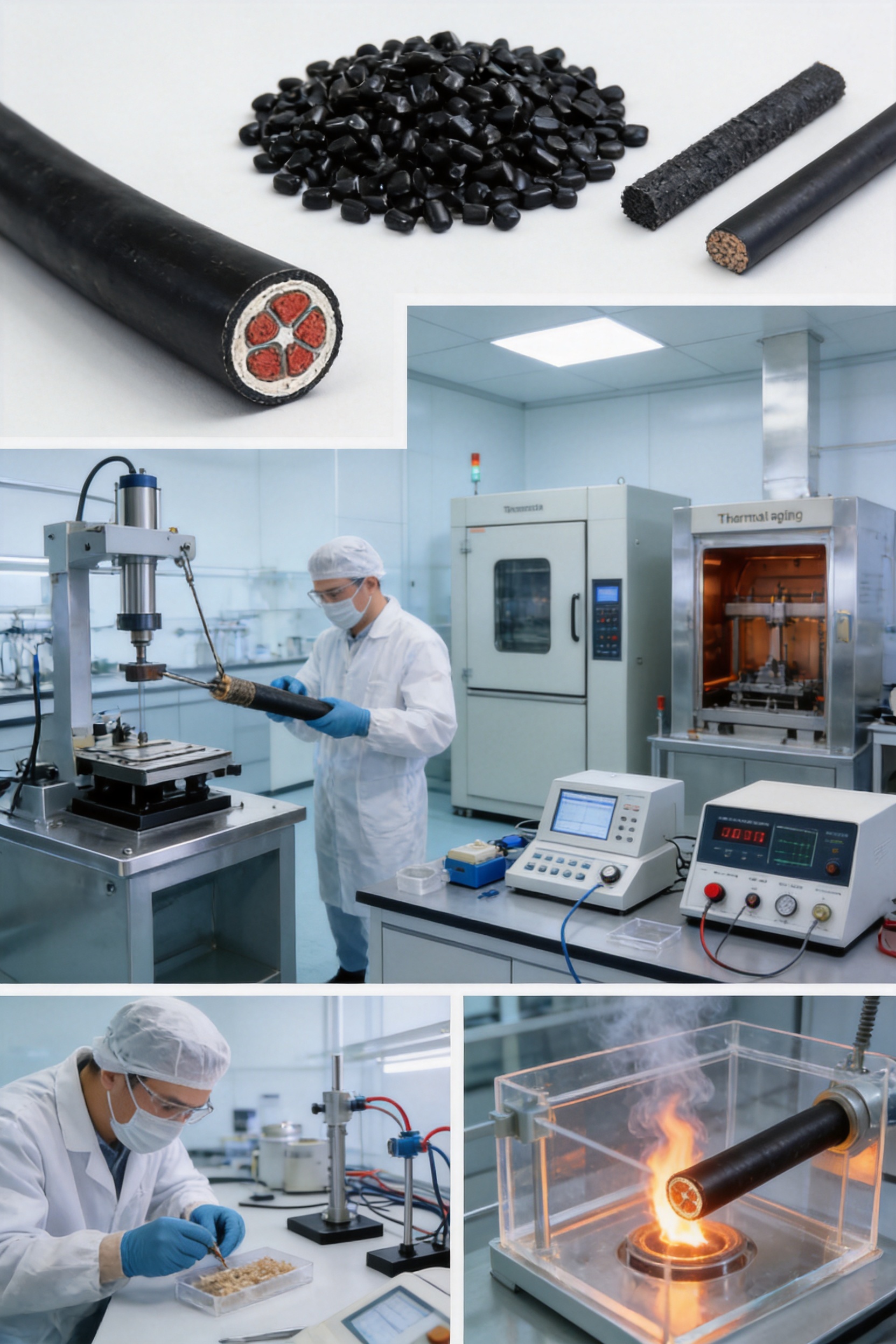
The manufacturer is a specialist in the research, development, production, and sales of polyolefin cable compounds. Its stated development philosophy is based on people-oriented and technology-driven innovation. The company operates an R&D center of more than 3,000 square meters and reports research equipment valued at more than 35 million renminbi.
The R&D team includes more than 30 professional members, including five doctors and personnel recognized through provincial and municipal talent programs. This technical structure provides a foundation for polymer formulation development, flame-retardant system optimization, processing research, analytical testing, and application support.
For LSZH materials, formulation development requires careful coordination of polymer selection, flame-retardant additives, smoke suppressants, stabilizers, processing aids, fillers, and compatibility systems. Excessive flame-retardant loading can reduce elongation, impair processability, increase density, or create surface defects. Insufficient loading may reduce fire performance. An experienced R&D team is therefore important for achieving a balanced compound.
Production Capacity
The company operates two production bases covering more than 15,000 square meters and has more than 10 production lines for polyolefin cable compounds. This manufacturing structure supports multiple product categories and provides the capacity needed for regular supply, product differentiation, and customer-specific development.
Production scale can be valuable to cable manufacturers that require continuity of supply. Rail projects often involve scheduled production, long qualification cycles, strict traceability, and repeated deliveries over an extended period. A supplier with multiple production lines and dedicated compound expertise may be better positioned to support these demands than a small general-purpose plastics producer.
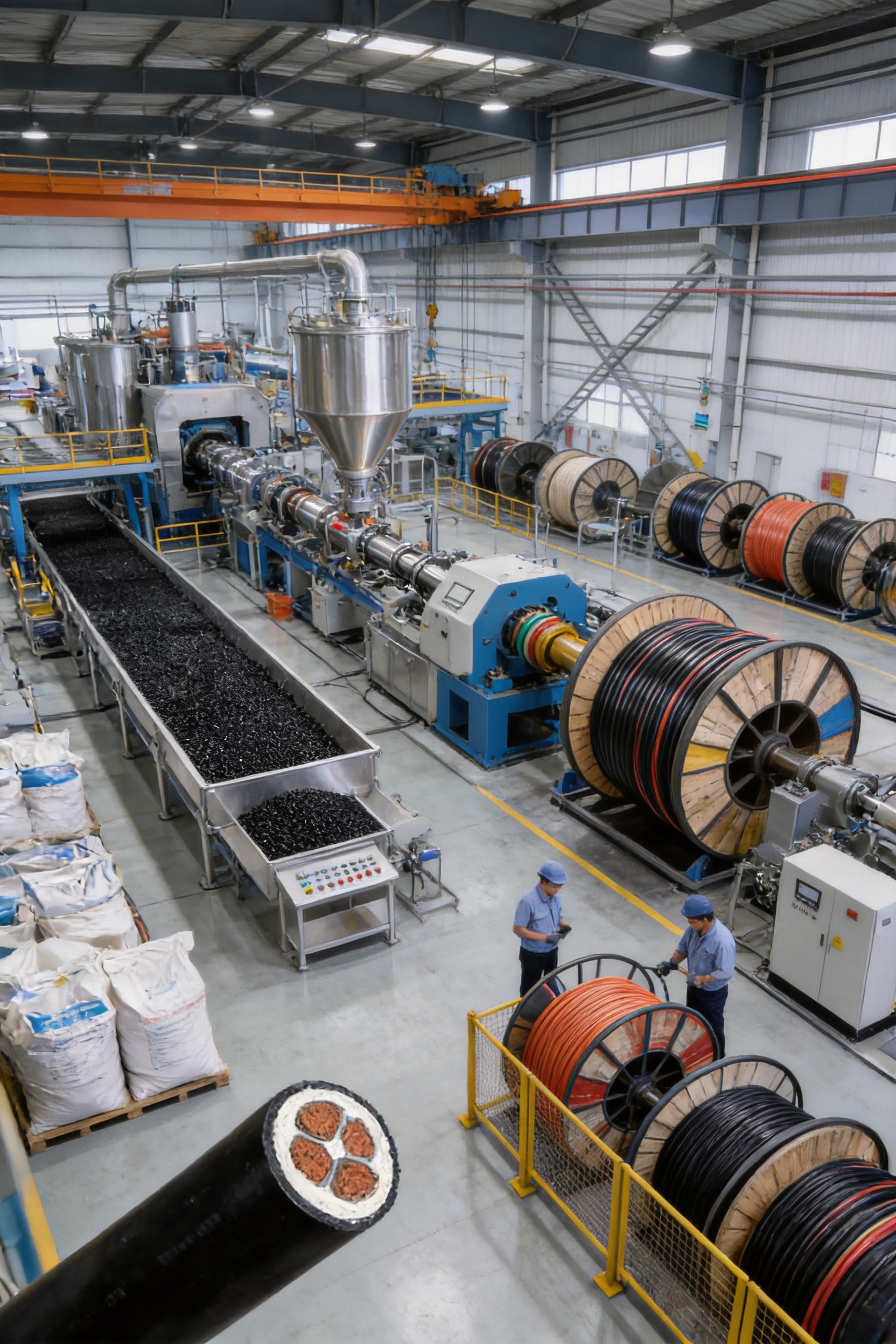
Manufacturing of a stable LSZH compound involves more than mixing raw materials. It requires controlled feeding, dispersion, melt blending, temperature management, filtration, pelletizing, cooling, drying, packaging, and batch inspection. Consistent control of these operations helps reduce variation in mechanical properties, color, moisture content, extrusion behavior, and flame-retardant performance.
Application-Oriented Development
The manufacturer’s product portfolio includes UV-crosslinked, silane cross-linkable, irradiation cross-linked, and thermoplastic low-smoke halogen-free flame-retardant compounds, as well as polyethylene sheath compounds and other specialized materials. This broad product base provides an opportunity to develop solutions around the cable application rather than treating every requirement as an isolated formulation problem.
Application-oriented development is especially useful in rail transit because cable performance depends on the interaction of materials and construction. A sheath compound must be compatible with the conductor insulation, shielding layers, fillers, tapes, armor, binders, and production equipment used by the cable manufacturer.
Technical support may include compound selection, extrusion guidance, processing-window evaluation, prototype development, test planning, documentation, and customized formulation work. Such support can reduce the time required to move from material evaluation to cable qualification.
Processing Considerations for Cable Manufacturers
Thermoplastic LSZH compounds are processed by extrusion, but the exact conditions depend on the grade, cable design, extruder type, screw configuration, die geometry, line speed, cooling system, and production environment. Before mass production, the compound should be evaluated through a controlled trial using the intended equipment.
Material storage is important. Pellets should be protected from contamination, excessive humidity, and direct exposure to unsuitable environmental conditions. Moisture and foreign particles can contribute to surface roughness, bubbles, dimensional instability, or inconsistent electrical performance. The manufacturer and cable producer should establish appropriate storage and handling procedures for each grade.
During extrusion, stable feeding and sufficient dispersion are essential. A processing temperature that is too low may lead to incomplete melting or poor surface appearance, while excessive temperature may cause degradation, discoloration, smoke generation, or changes in mechanical properties. Screw speed, back pressure, die temperature, cooling-water conditions, and take-up tension should be adjusted together rather than independently.
Extrusion stability is particularly important for rail cable sheaths because a consistent wall thickness supports mechanical protection, electrical performance, and fire-test repeatability. Excessive variation may change the material quantity available during a fire test and may affect bending or stripping behavior.
The finished cable should be evaluated for surface quality, diameter, ovality, tensile strength, elongation, thermal aging, low-temperature performance, flame behavior, smoke density, acidity, conductivity, and any additional customer-specific requirements. Compound-level typical values are useful for material selection, but finished-cable testing is necessary for qualification.
Applications in Rail Transit
Subway and Metro Systems
Subway cables are installed in tunnels, stations, platforms, equipment rooms, ventilation areas, signaling zones, and control centers. These locations may have restricted access, high passenger density, and limited natural ventilation. LSZH sheathing materials can help support fire-safety objectives by reducing smoke and corrosive emissions compared with unsuitable conventional materials.
The product may be considered for power distribution, control, communication, signaling, instrumentation, and auxiliary cables, subject to the requirements of the specific cable design and project authority.
High-Speed Train Cables
High-speed trains contain complex cable networks extending through passenger cars, electrical cabinets, traction systems, roof equipment, underfloor assemblies, and inter-car connections. These cables experience vibration, movement, temperature changes, maintenance handling, and limited space for routing.
The compound’s reported tensile strength, elongation, thermal-aging performance, low-temperature brittleness resistance, ozone resistance, and thermal shock resistance are relevant to these conditions. The final choice should consider the train platform, installation zone, required flexibility, operating temperature, and applicable railway standards.
Traction and Auxiliary Power Systems
Traction cables and auxiliary power cables may be exposed to elevated temperatures, vibration, oil contamination, mechanical movement, and electrical stress. Sheathing materials in these systems must protect the cable core while maintaining sufficient flexibility and environmental resistance.
The product’s thermal-aging data at 100 degrees Celsius, electrical resistivity, chemical resistance, and mechanical properties provide a basis for evaluation in these applications. The suitability of a specific grade depends on the actual conductor temperature, overload conditions, installation method, and system design.
Signal and Communication Cables
Signal and communication systems require stable electrical performance and reliable physical protection. Cable sheath defects, moisture ingress, excessive deformation, or contamination can affect the service life of the cable and potentially disrupt transportation operations.
The high reported volume resistivity, low conductivity, low-smoke design, and environmental resistance of the material family are relevant to signal and communication applications. As with all cable products, system-level electrical testing remains necessary.
Typical Technical Data
| Property | Unit | Listed Requirement | DS-WDZH-01A (GD) | DS-WDZH-01B (GD) | DS-WDZH-01 (GD) | DS-WDZH-02 (GD) |
|---|---|---|---|---|---|---|
| Density | g/cm³ | Not specified | 1.48 | 1.48 | 1.48 | 1.49 |
| Tensile strength | MPa | ≥10.0 | 13 | 13 | 13 | 12 |
| Elongation at break | % | ≥160 | 175 | 175 | 180 | 180 |
| Oxygen index | % | ≥30 | 35 | 35 | 34 | 32 |
| Tensile-strength change after aging | % | ±25 | +9 | +9 | +10 | +12 |
| Elongation change after aging | % | ±25 | -5 | -5 | -5 | -10 |
| Thermal deformation | % | ≤50 | 7 | 8 | 10 | 10 |
| Thermal shock resistance | — | No cracking | No cracking | No cracking | No cracking | No cracking |
| Smoke density, flaming | — | ≤100 | 78 | 75 | 70 | 70 |
| Smoke density, flameless | — | ≤350 | 310 | 318 | 305 | 320 |
| Volume resistivity at 20°C | Ω·cm | 1.0 × 10¹² | 1.6 × 10¹³ | 1.6 × 10¹³ | 1.5 × 10¹³ | 1.5 × 10¹³ |
| Ozone resistance | — | No cracking | No cracking | No cracking | No cracking | No cracking |
| Low-temperature brittleness | °C | -25 | Pass | Pass | Pass | Pass |
| pH | — | ≥4.3 | 5.2 | 5.1 | 5.2 | 5.1 |
| Hydrogen chloride and hydrogen bromide content | % | ≤0.5 | <0.5 | <0.5 | <0.5 | <0.5 |
| Conductivity | µS/mm | ≤10 | 1.1 | 1.1 | 1.1 | 1.1 |
The values in this table are typical values supplied for product comparison and preliminary evaluation. They should not be interpreted as guaranteed values for every production lot unless confirmed by the applicable technical agreement, quality document, or certificate of analysis.
Quality, Supply, and Customization Advantages
For cable manufacturers, material quality is only one part of supplier value. Consistent supply, technical communication, documentation, and responsive customization can be equally important. Rail projects often require repeated deliveries over long periods, and changes in compound performance can affect extrusion settings, cable dimensions, and qualification results.
The manufacturer’s specialization in polyolefin cable compounds creates a focused product platform. Its portfolio covers multiple cross-linkable and thermoplastic technologies, allowing customers to source related materials from a supplier with experience across different cable applications. The company also states that it provides application-oriented solutions, R&D and testing support, stable supply capacity, technical documentation, and customized material solutions for international customers.
Customization may involve mechanical property adjustment, extrusion behavior, flexibility, color, smoke performance, thermal resistance, low-temperature performance, or compatibility with a particular cable construction. Any customized grade should be validated through laboratory testing and production trials before commercial use.
The combination of R&D resources, multiple production bases, multiple production lines, and a broad product portfolio can provide an advantage over suppliers that offer only a narrow range of commodity compounds. This structure supports both standard product supply and application-specific development.
How to Select the Appropriate Grade
Selection should begin with the cable’s operating environment and compliance requirements. Important questions include whether the cable is installed inside a train, underground tunnel, station, depot, outdoor section, traction cabinet, or signaling enclosure. The expected temperature range, vibration level, bending radius, oil exposure, moisture level, and installation tension should also be identified.
The desired grade should then be evaluated through a combination of compound data and finished-cable testing. For example, a manufacturer may compare the four grades based on extrusion stability, surface quality, mechanical retention, smoke density, dimensional control, stripping performance, and compatibility with the cable’s insulation and filler systems.
DS-WDZH-01A (GD) and DS-WDZH-01B (GD) show the highest reported oxygen index of 35%, while DS-WDZH-01 (GD) shows the lowest reported flameless smoke density of 305. DS-WDZH-01 (GD) and DS-WDZH-02 (GD) show the highest reported elongation of 180%. These differences are relatively small, but they may help guide selection when a project places greater emphasis on a particular property.
The final decision should also consider processing conditions, supply requirements, documentation, customer approval procedures, and the applicable railway fire-safety framework. A technical discussion with the compound supplier and cable producer is recommended before scale-up.
Q&A
What is this product?
It is a thermoplastic low-smoke, halogen-free flame-retardant sheathing compound designed for rail transit cables. It is intended for subway, high-speed train, traction, signal, communication, control, and related cable applications.
What are the main advantages of the material?
The main advantages are low smoke density, reduced halogen-acid emissions, flame-retardant performance, good tensile strength, high elongation, thermal-aging stability, thermal shock resistance, ozone resistance, low-temperature performance, electrical insulation, and resistance to oil, acids, alkalis, moisture, wear, and extrusion stress.
How many grades are available in the supplied product family?
The supplied information identifies four grades: DS-WDZH-01A (GD), DS-WDZH-01B (GD), DS-WDZH-01 (GD), and DS-WDZH-02 (GD).
What oxygen index values are reported?
The reported oxygen index values range from 32% to 35%, while the listed requirement is at least 30%.
What smoke-density results are reported?
Flaming smoke density values range from 70 to 78 against a listed limit of 100. Flameless smoke density values range from 305 to 320 against a listed limit of 350.
Can the material be used in subway tunnels?
It is described as suitable for subway and rail transit cable applications. The final suitability should be confirmed through finished-cable testing and compliance evaluation against the specific requirements of the subway project, authority, and installation environment.
Is the material suitable for high-speed trains?
It is described as suitable for high-speed train traction and signal cables. The selected grade should be verified for the required temperature range, vibration, bending, oil exposure, electrical performance, and applicable train qualification standards.
Does the material resist low temperatures?
All four grades are reported to pass the low-temperature brittleness test at minus 25 degrees Celsius. The actual service temperature rating must be confirmed according to the finished cable design and project requirements.
Does the material resist thermal shock?
Yes. The supplied data reports no cracking for all four grades in the listed thermal shock resistance test at 130 degrees Celsius.
How does the material compare with conventional halogen-containing sheathing?
The LSZH formulation is designed to reduce smoke and halogen-acid emissions during combustion. This can help lower visibility loss and corrosive damage risks in enclosed rail environments. Final comparisons should be made using the same cable construction and the same test methods.
Can the supplier provide customized formulations?
The company states that it provides customized material solutions and application-oriented technical support. Customization requirements should be discussed in relation to mechanical properties, extrusion behavior, smoke performance, thermal conditions, cable construction, and qualification testing.
Are the listed values guaranteed for every batch?
The supplied table presents typical values. Customers should request the relevant technical specification, quality-control procedure, and certificate of analysis for commercial supply. Finished-cable qualification remains necessary.
What information should a cable manufacturer provide when requesting a quotation?
Useful information includes cable type, conductor size, insulation material, sheath thickness, extrusion equipment, target production speed, operating temperature, minimum bending radius, installation environment, required fire tests, color, packaging needs, annual volume, and applicable railway standards.
Conclusion
Rail transit cables require a demanding combination of fire safety, mechanical durability, electrical insulation, thermal stability, environmental resistance, and processing consistency. The thermoplastic LSZH flame-retardant sheathing materials described here are developed to address these requirements through a balanced polyolefin-based compound platform.
The four grades provide reported tensile strengths of 12 to 13 MPa, elongation values of 175% to 180%, oxygen index values of 32% to 35%, controlled flaming and flameless smoke density, high volume resistivity, low conductivity, low-temperature brittleness resistance, ozone resistance, thermal shock resistance, and stable performance after thermal aging. Their low halogen-acid emission profile and resistance to moisture, chemicals, wear, and extrusion stress further support their intended use in tunnels, carriages, traction systems, and signal networks.
The manufacturer strengthens this product offering through dedicated polyolefin compound expertise, a substantial research and development center, a professional technical team, multiple production bases, more than 10 production lines, and a portfolio covering several cable-material technologies. These capabilities can support standard supply, application guidance, product qualification, and customized development.
For the best result, cable manufacturers should select the grade according to the complete application profile and validate it through extrusion trials and finished-cable testing. When properly matched to the cable design and railway requirements, the material can provide a reliable foundation for safer, more durable, and more environmentally considerate rail transit cable systems.
References
1. Product technical information for DS-WDZH-01A (GD), DS-WDZH-01B (GD), DS-WDZH-01 (GD), and DS-WDZH-02 (GD), supplied by the manufacturer.
2. General principles for low-smoke, halogen-free cable compounds and cable fire-performance evaluation.
3. Technical guidance for railway rolling-stock cables, subway cable systems, and enclosed transportation infrastructure.
4. Standard test practices for oxygen index, smoke density, thermal aging, thermal shock, ozone resistance, electrical resistivity, pH, conductivity, and halogen-acid emissions.
5. Manufacturer information concerning polyolefin cable compound research, production capacity, application support, and customized material development.