English
 Français
 Español
 русский
 عربى
Green Ohm
Green Ohm
Green Ohm
Green Ohm
Green Ohm
Green Ohm
Green Ohm
Green Ohm
Green Ohm
Content
- 1 Why LSZH Materials Matter in Rail Transit
- 2 Product Positioning and Application Scope
- 3 Core Performance Advantages
- 4 Technical Data Summary
- 5 Advantages Compared with General Cable-Sheathing Materials
- 6 Manufacturing and Compounding Strengths
- 7 Processing Considerations for Cable Manufacturers
- 8 Rail Transit Applications in Detail
- 9 Environmental and Service-Life Benefits
- 10 Customization and Technical Support
- 11 Selection Guidance for Buyers
- 12 Frequently Asked Questions
- 12.1 What is this product?
- 12.2 What does LSZH mean?
- 12.3 Is the compound suitable for Class B1 or B2 cables?
- 12.4 What are the typical tensile properties?
- 12.5 How does the material perform in smoke-density testing?
- 12.6 Does the compound contain halogen-based materials?
- 12.7 Can it be used in cold environments?
- 12.8 Is it resistant to ozone?
- 12.9 Can the material be customized?
- 12.10 What should be checked before production?
- 12.11 How should the product be stored?
- 12.12 Can this material replace every conventional cable sheath?
- 13 Manufacturer Capabilities
- 14 Conclusion
- 15 References
- 16 Product: LSZH Flame Retardant Sheathing Material for Rail Transit (Class B1/B2)
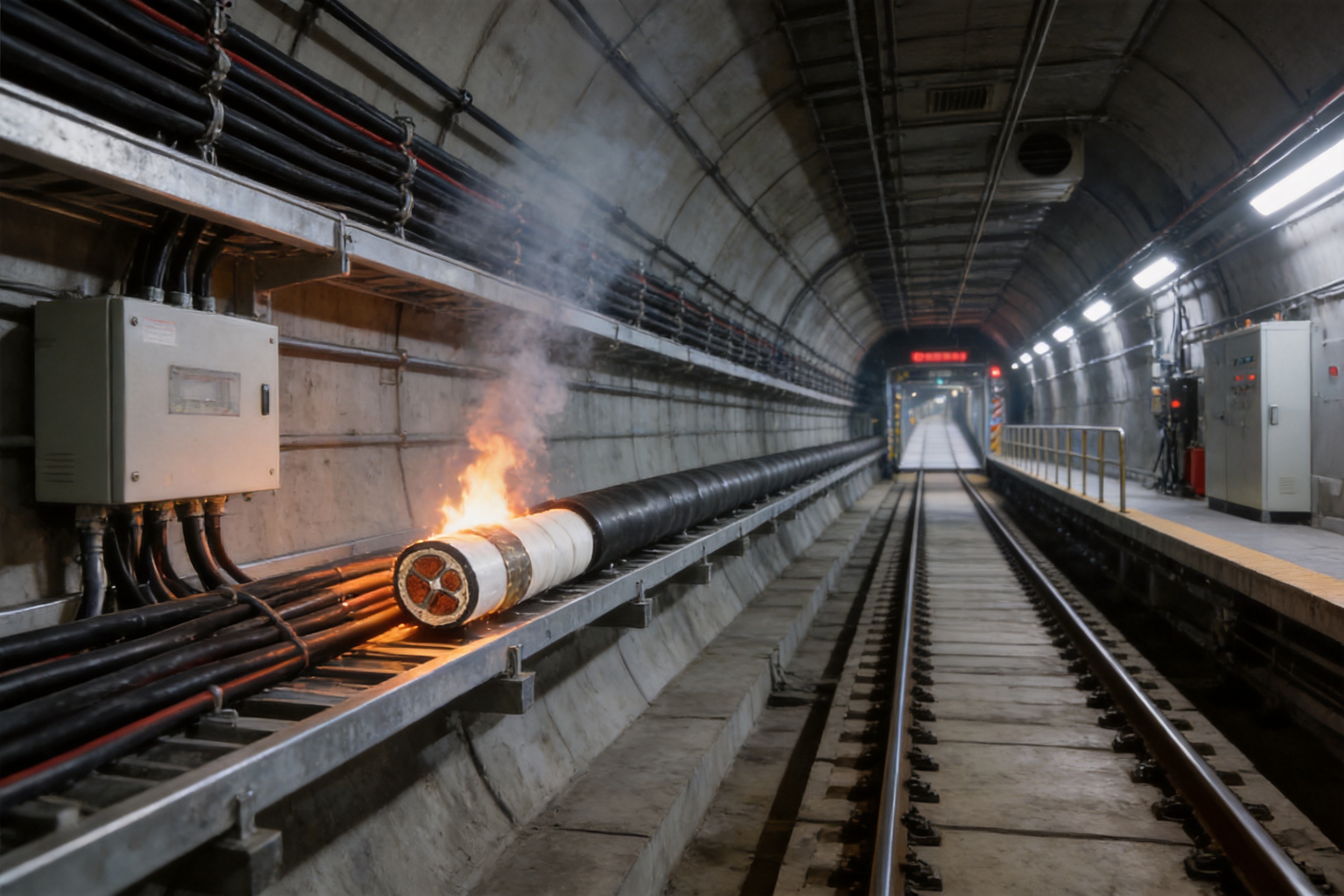
Rail transit systems require cable materials that can maintain electrical and mechanical performance while also limiting the consequences of fire. In subway tunnels, railway carriages, stations, traction systems, and signaling networks, cables may be installed in enclosed or difficult-to-access areas. If a fire occurs, conventional halogen-containing cable materials can release corrosive and toxic gases, generate dense smoke, and make evacuation, firefighting, and equipment protection more difficult. For these applications, low-smoke zero-halogen, or LSZH, compounds provide an important material solution.
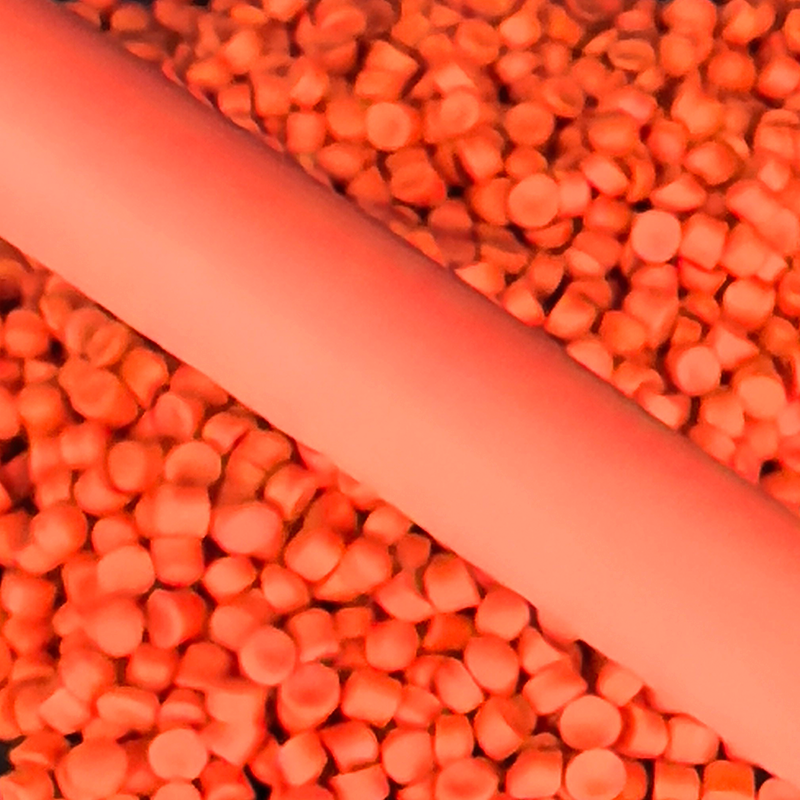
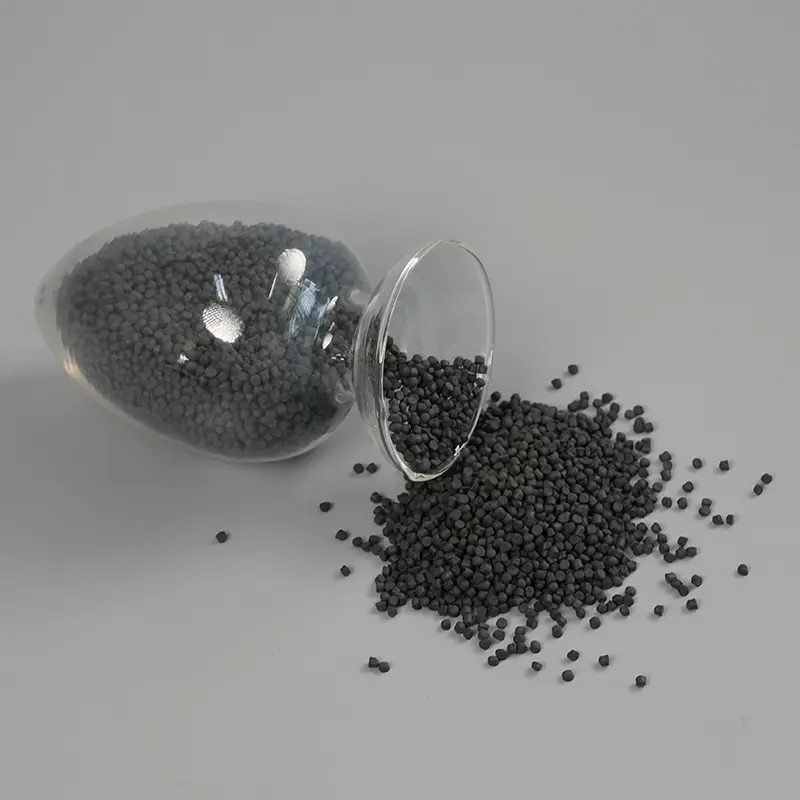
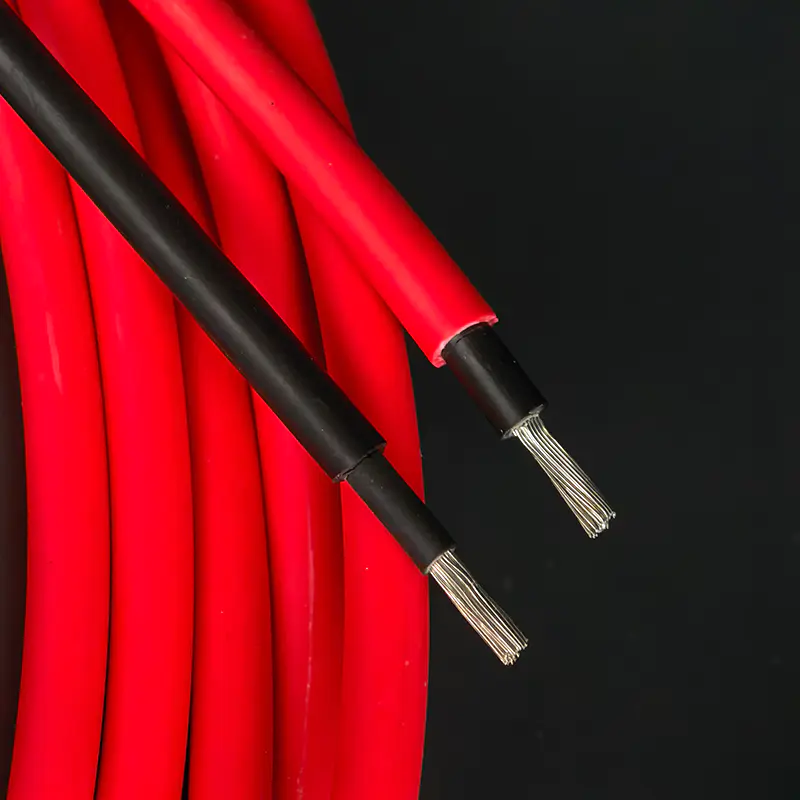
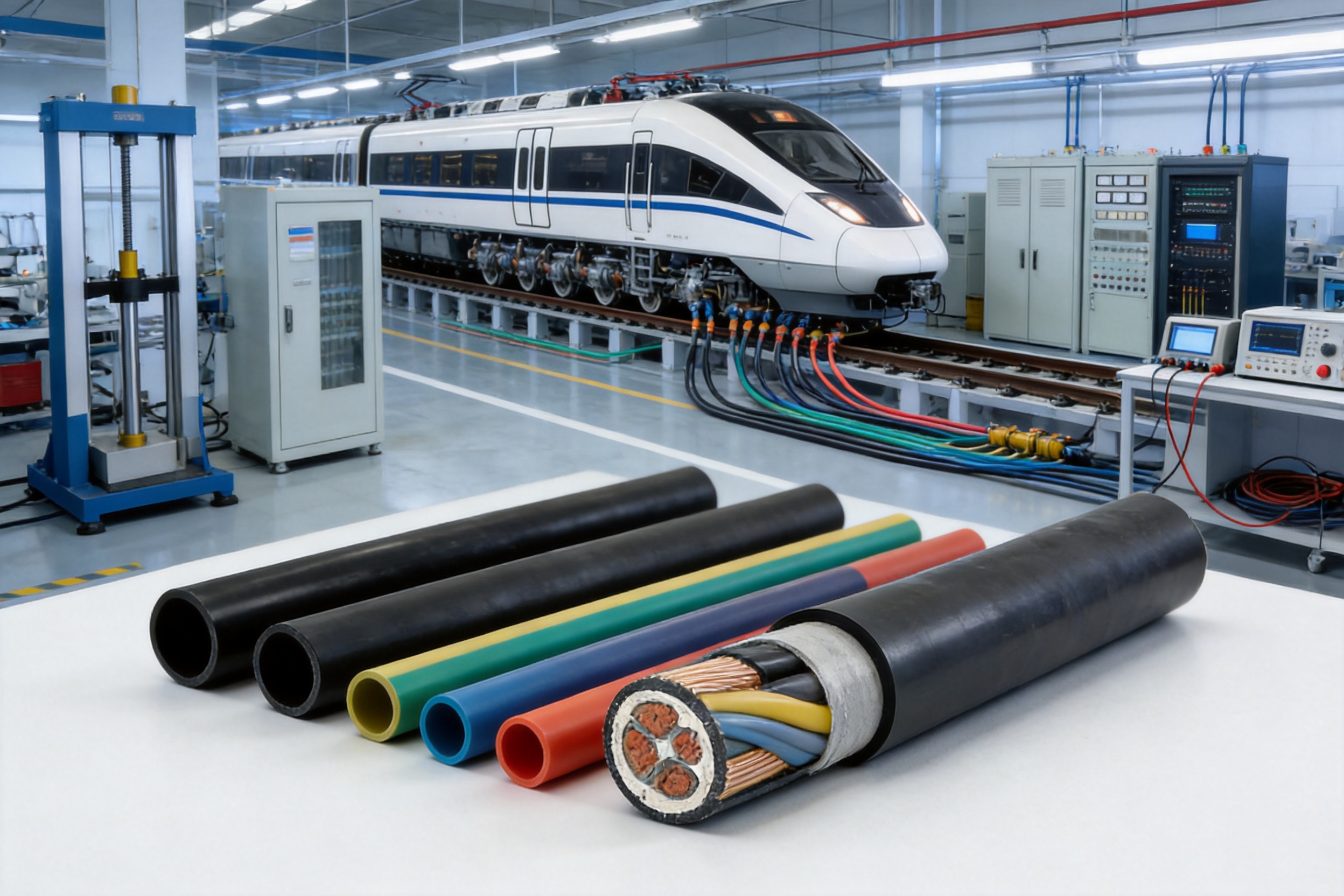
The LSZH flame-retardant sheathing material described in this article is a thermoplastic compound developed for rail transit cable applications, including subway cables, high-speed train traction cables, and signal cables. It is designed for applications requiring Class B1 or B2 flame-retardant performance and a balanced combination of fire safety, mechanical strength, chemical resistance, electrical insulation, processing stability, and environmental durability.
Unlike a material designed only to pass a basic flame test, this compound is formulated as a comprehensive cable-sheathing solution. Its performance profile includes low smoke density, low halogen-acid content, controlled acidity and conductivity, strong resistance to mechanical damage, stability across a wide temperature range, and resistance to moisture, oil, acids, alkalis, ozone, and thermal cycling. These characteristics help cable manufacturers produce more reliable and safer cables for demanding transportation environments.
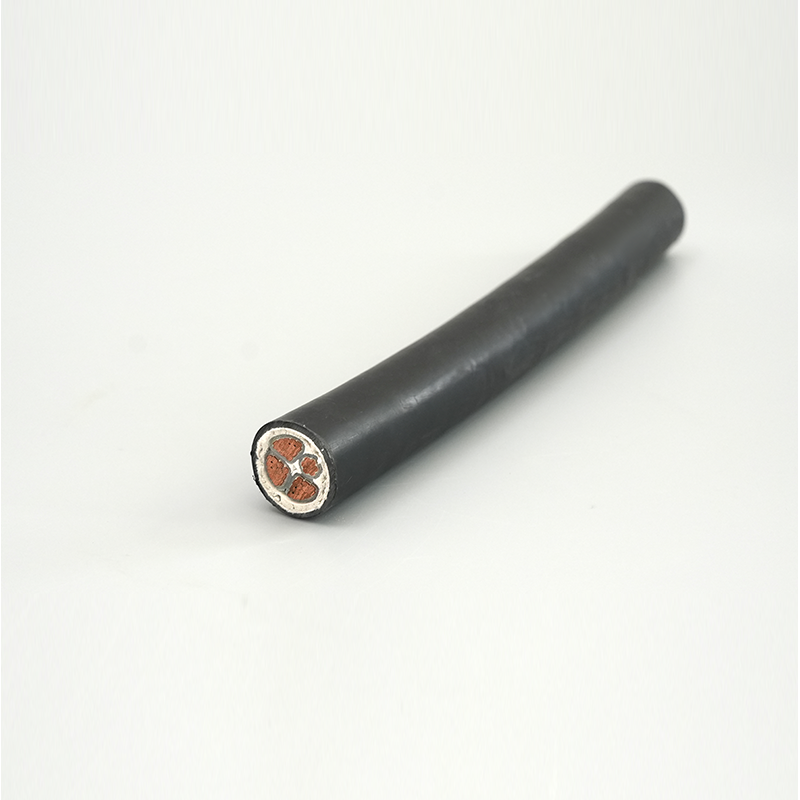
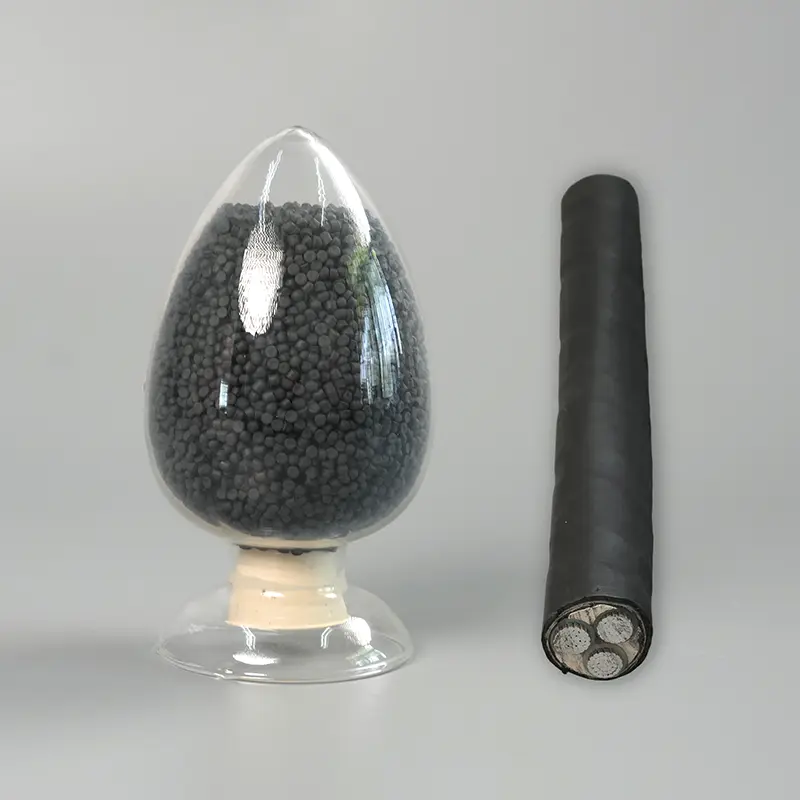
LSZH Flame Retardant Sheathing Material for Rail Transit (Class B1/B2)
Why LSZH Materials Matter in Rail Transit
Rail transit infrastructure presents a combination of risks that is not normally found in open-air cable installations. Subway cables may run through long tunnels with restricted ventilation. Cables inside train cars may be positioned close to passengers, control equipment, batteries, traction systems, and interior structures. Signaling cables may be essential to train control and passenger safety. Traction cables may be subjected to vibration, electrical stress, temperature changes, oil contamination, and mechanical movement.
During a fire, the cable sheath can influence the speed of flame spread, the quantity of smoke released, and the corrosive nature of the combustion products. Dense smoke can reduce visibility and slow evacuation. Acidic gases can irritate the respiratory system and corrode metallic equipment, connectors, control cabinets, and structural components. These effects may continue even after the flame itself has been controlled.
LSZH compounds are designed to reduce these hazards. The material described here uses a halogen-free flame-retardant system intended to limit smoke and corrosive emissions. Its reported hydrogen chloride and hydrogen bromide content is below 0.5%, while its pH value is approximately 5.1 to 5.2 and its conductivity is approximately 1.1 uS/mm. These characteristics support the requirements of cable systems where low corrosivity and reduced chemical impact are important.
The compound is particularly suitable for enclosed environments because its smoke density remains controlled under both flaming and flameless conditions. The typical flaming smoke-density values are approximately 70 to 78, against a stated limit of no more than 100. The typical flameless values range from approximately 305 to 320, against a stated limit of no more than 350. These results indicate that the product is engineered to address both visible smoke and the broader fire-effluent concerns associated with rail transit cables.
Product Positioning and Application Scope
The product is a thermoplastic LSZH sheathing compound for cable manufacturers. It is available in several related grades, identified in the supplied technical information as DS-WDZH-01A (GD), DS-WDZH-01B (GD), DS-WDZH-01 (GD), and DS-WDZH-02 (GD). The grades share a common performance platform while offering slightly different balances of density, tensile strength, elongation, oxygen index, smoke density, and thermal behavior.
These materials can be considered for the following cable applications:
Subway traction cables.
High-speed train power and traction cables.
Railway signal and communication cables.
Control and instrumentation cables.
Inter-carriage connection cables.
Equipment wiring installed inside rail vehicles.
Cables routed through tunnels, stations, maintenance areas, and enclosed technical compartments.
Although the compound is designed with rail transit in mind, its performance profile may also be relevant to other public infrastructure and transportation applications where low smoke, low halogen emissions, mechanical durability, and resistance to environmental exposure are required. Final suitability should always be confirmed through cable-design testing, application-specific certification, and the requirements of the relevant project or authority.
Core Performance Advantages
Low Smoke and Reduced Corrosive Emissions
The most important advantage of the material is its focus on fire safety beyond simple flame resistance. Many cable users require a material that can limit flame propagation while also reducing smoke and corrosive gases. The supplied data show smoke-density performance under flaming and flameless test conditions, together with controlled pH, conductivity, and halogen-acid content.
The typical flaming smoke-density results are 78, 75, 70, and 70 for the four grades. The stated standard is no more than 100. Under flameless conditions, the results are 310, 318, 305, and 320, compared with a stated limit of no more than 350. This performance provides a margin against the listed requirements and demonstrates that the formulation is not dependent on a single fire scenario.
The pH values of 5.2, 5.1, 5.2, and 5.1 are above the stated minimum of 4.3. Conductivity is approximately 1.1 uS/mm for each grade, well below the stated maximum of 10 uS/mm. HCl and HBr content is reported as less than 0.5%. These results are important because low-smoke materials must also minimize the potential for acidic and conductive fire effluents.
For rail operators, this combination may help improve visibility during evacuation, reduce the risk of corrosion to nearby equipment, and protect the functionality of systems surrounding the cable route. It also supports the broader objective of reducing secondary damage during a fire.
Strong Flame-Retardant Design
The oxygen index values of the four grades are approximately 35%, 35%, 34%, and 32%, compared with a stated requirement of at least 30%. A higher oxygen index generally indicates that a material requires a higher oxygen concentration to sustain combustion under the specified test method. In practical terms, the reported values show that the compound has been formulated with a substantial flame-retardant capability.
The product title identifies the material as suitable for Class B1 or B2 LSZH cable applications. The final classification of a finished cable depends on the cable construction, wall thickness, conductor arrangement, processing conditions, and the applicable test method. Nevertheless, the compound’s oxygen index and smoke-density results provide a strong basis for developing cables intended for demanding flame-retardant applications.
Compared with general-purpose sheathing compounds, this material is designed around the combined needs of flame resistance and low smoke. That distinction is important because increasing flame-retardant additive content can sometimes reduce mechanical flexibility, processing stability, or aging performance. The reported mechanical and thermal results indicate an effort to maintain a balanced property profile rather than maximizing only one fire indicator.
Mechanical Strength and Flexibility
The standard tensile strength requirement is at least 10.0 MPa. The typical tensile strength values are 13 MPa for the first three grades and 12 MPa for the fourth grade. Elongation at break is approximately 175%, 175%, 180%, and 180%, compared with a stated minimum of 160%.
These values are significant for rail cables because sheathing must tolerate installation tension, bending, pulling, vibration, and repeated movement without premature tearing. Good elongation also helps the sheath accommodate deformation around cable components and maintain coverage over the conductor and insulation system.
Mechanical performance is especially important when flame-retardant fillers are used. High filler loading can make a compound brittle or reduce its ability to stretch. The results supplied for this material suggest that the formulation and compounding process are designed to retain useful ductility while achieving the required fire behavior.
The compound also demonstrates strong wear and extrusion resistance according to the product description. This is valuable during cable production, where the sheath must pass through extrusion equipment smoothly, and during installation, where the finished cable may rub against trays, conduits, supports, and other cable surfaces.
Thermal Aging Stability
Rail transit cables may operate for long periods under elevated temperature. Heat can be generated by current load, traction equipment, restricted ventilation, nearby electrical components, or ambient conditions inside a tunnel or carriage. Long-term thermal exposure can cause polymers to harden, soften, lose tensile strength, or experience a reduction in elongation.
The material was evaluated through air thermal aging at 100°C for 168 hours. The reported change in tensile strength is approximately +9%, +9%, +10%, and +12%, within the stated ±25% requirement. The change in elongation is approximately -5%, -5%, -5%, and -10%, also within the stated ±25% requirement.
These results indicate that the compound maintains its mechanical properties after the specified heat-aging exposure. The relatively small changes suggest that the formulation has been stabilized against short-term thermal deterioration. This is useful for cable designs that must remain flexible and mechanically sound throughout their service life.
Resistance to Thermal Deformation
Thermal deformation can cause a sheath to shrink, soften, distort, or expose underlying cable components. The material’s thermal denaturation result is approximately 7%, 8%, 10%, and 10% after testing at 90°C for one hour, against a stated maximum of 50%.
The low reported deformation values provide evidence of dimensional stability under the specified condition. Stable dimensions are important for maintaining cable insulation thickness, preventing localized stress, and preserving the physical protection of the cable core. They also support consistent appearance and diameter during production.
Thermal Shock Resistance
Rail transit cables can experience rapid temperature changes. A cable may move between a warm manufacturing or maintenance environment and a cold outdoor or underground location. It may also be exposed to heat from electrical operation followed by cooling during shutdown. Repeated thermal transitions can generate internal stress between the sheath and other cable materials.
All four grades passed the stated thermal shock resistance test at 130°C with no cracking. This result indicates that the compound can withstand the specified thermal shock condition without visible surface failure. Resistance to cracking is important because even small cracks can allow moisture ingress, reduce mechanical protection, and accelerate damage during bending or vibration.
Low-Temperature Performance
Subway systems and high-speed rail networks may operate in cold climates or experience low temperatures during outdoor storage, transport, or maintenance. A sheath that becomes brittle can crack during installation or movement. The supplied data show that all four grades passed the low-temperature brittleness test at -25°C.
This performance supports the use of the material in applications requiring a broad operating temperature range. It also helps reduce the risk of installation damage when cables are handled in cold conditions. Final operating-temperature limits should be established according to the complete cable design and project requirements, but the reported low-temperature result is a useful indicator of cold-weather suitability.
Ozone Resistance
Electrical equipment and transport infrastructure can produce ozone, particularly around high-voltage systems, switching devices, traction equipment, and ventilation areas. Ozone may attack susceptible polymers and create surface cracking over time.
After exposure at 25°C for 24 hours at 300 ppm, all four grades showed no cracking in the stated ozone-resistance test. This result demonstrates that the compound is formulated to resist a demanding oxidative environment. Ozone resistance can be valuable for cables installed near traction power equipment and other electrical systems where long-term surface integrity is important.
Electrical Insulation Properties
The volume resistivity at 20°C is reported as approximately 1.5 × 10¹³ to 1.6 × 10¹³ Ω·cm for the four grades, compared with a stated standard value of 1.0 × 10¹² Ω·cm. High volume resistivity supports the insulating function of the sheath and helps reduce leakage current through the material under normal conditions.
Electrical performance must always be evaluated as part of the complete cable system. Conductor design, primary insulation, shielding, water exposure, temperature, and installation conditions all influence cable behavior. However, the reported volume-resistivity values demonstrate that the compound has been engineered to provide a strong insulating contribution in addition to its mechanical and fire-safety functions.
Technical Data Summary
| Property | Unit | Requirement or Reference | DS-WDZH-01A (GD) | DS-WDZH-01B (GD) | DS-WDZH-01 (GD) | DS-WDZH-02 (GD) |
|---|---|---|---|---|---|---|
| Density | g/cm³ | Reference | 1.48 | 1.48 | 1.48 | 1.49 |
| Tensile strength | MPa | ≥10.0 | 13 | 13 | 13 | 12 |
| Elongation at break | % | ≥160 | 175 | 175 | 180 | 180 |
| Oxygen index | % | ≥30 | 35 | 35 | 34 | 32 |
| Thermal aging tensile-strength change | % | ±25 | +9 | +9 | +10 | +12 |
| Thermal aging elongation change | % | ±25 | -5 | -5 | -5 | -10 |
| Thermal deformation | % | ≤50 | 7 | 8 | 10 | 10 |
| Flaming smoke density | — | ≤100 | 78 | 75 | 70 | 70 |
| Flameless smoke density | — | ≤350 | 310 | 318 | 305 | 320 |
| Volume resistivity at 20°C | Ω·cm | 1.0 × 10¹² | 1.6 × 10¹³ | 1.6 × 10¹³ | 1.5 × 10¹³ | 1.5 × 10¹³ |
| Low-temperature brittleness | °C | -25 | Pass | Pass | Pass | Pass |
| pH | — | ≥4.3 | 5.2 | 5.1 | 5.2 | 5.1 |
| HCl and HBr content | % | ≤0.5 | <0.5 | <0.5 | <0.5 | <0.5 |
| Conductivity | uS/mm | ≤10 | 1.1 | 1.1 | 1.1 | 1.1 |
Advantages Compared with General Cable-Sheathing Materials
General-purpose cable compounds may provide acceptable flexibility and processing behavior for ordinary applications, but they are not necessarily optimized for enclosed transportation environments. The main difference is that rail transit compounds must satisfy several performance objectives at the same time.
First, an ordinary material may focus primarily on mechanical strength or cost efficiency. The rail transit LSZH compound adds controlled smoke density, low halogen-acid emissions, pH control, conductivity control, oxygen-index performance, and thermal shock resistance. This broader profile is more appropriate where passenger safety and equipment protection are critical.
Second, some flame-retardant compounds can become rigid, brittle, or difficult to process because they contain high levels of mineral additives. The reported tensile strength and elongation values show that this material retains a useful balance of strength and flexibility. This balance can help cable manufacturers avoid excessive processing defects and reduce the risk of cracking during installation.
Third, the compound is designed for environmental resistance. Oil stains, acids, alkalis, moisture, ozone, temperature changes, wear, and extrusion stress may all occur in rail environments. A compound that performs well in only one of these areas may not deliver reliable service in the field. The product description specifically identifies resistance to oil, acids and alkalis, tunnel moisture corrosion, thermal cycling, wear, and extrusion.
Fourth, consistency among multiple grades provides flexibility for cable designers. The four listed grades have similar density, mechanical performance, smoke performance, and electrical resistivity, while offering modest differences in specific characteristics. This allows a manufacturer to select a grade based on processing requirements, cable geometry, target flexibility, or project specifications without moving to an entirely different material platform.
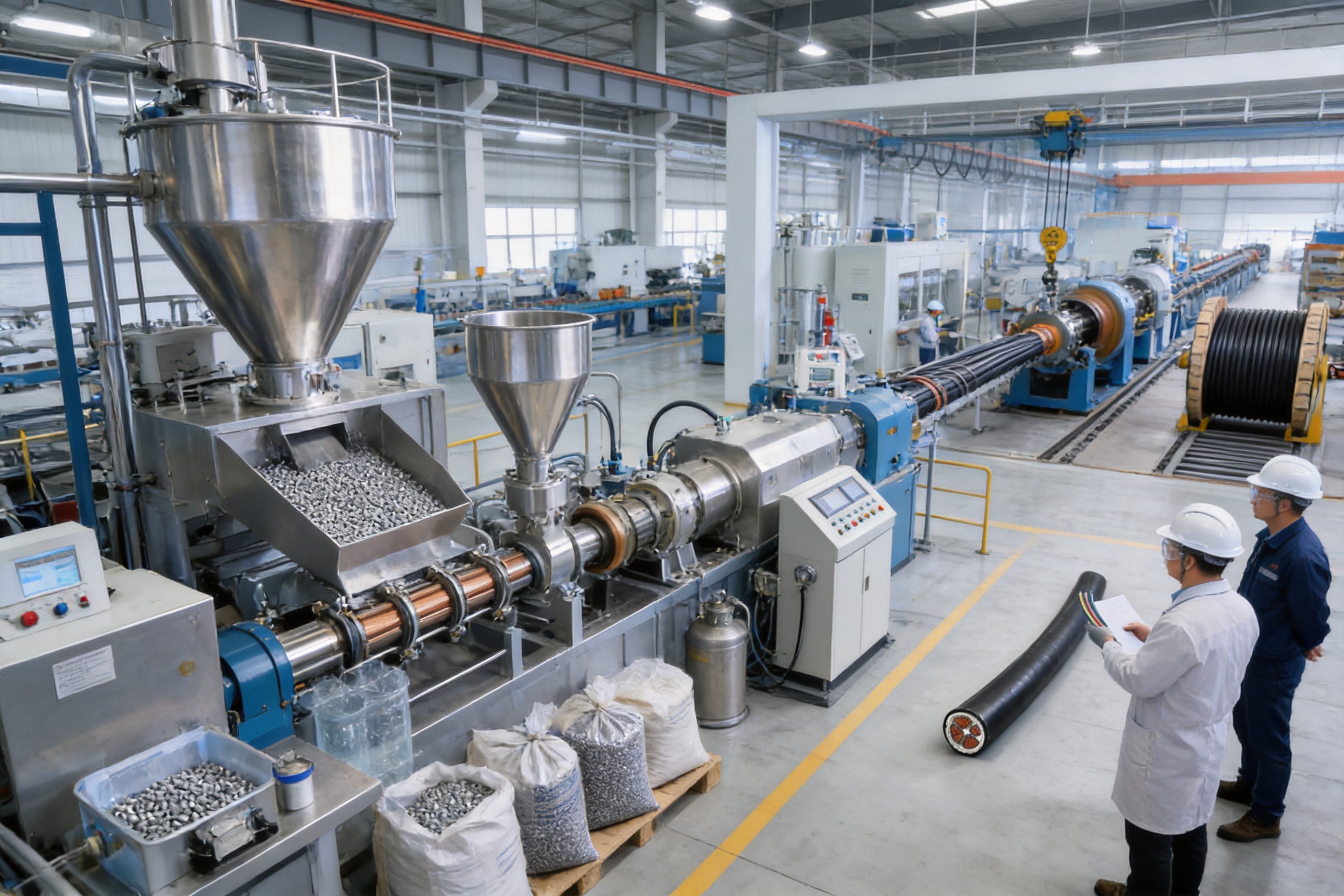
Manufacturing and Compounding Strengths
Research-Led Material Development
The manufacturer operates a research and development center of more than 3,000 square meters. The center is supported by research equipment valued at more than RMB 35 million and a professional research team of more than 30 members, including five doctors and recipients of provincial and municipal talent awards.
This infrastructure is important for a technical compound because performance is created through formulation design, controlled processing, testing, and repeated optimization. LSZH materials require careful coordination among polymer selection, flame-retardant packages, smoke suppression, filler dispersion, plasticization, stabilization, and extrusion behavior. A strong research team can investigate these interactions at a material and application level.
Application-oriented research also helps bridge the gap between laboratory results and cable-production requirements. A compound may show good test performance in a small specimen but behave differently when processed through a high-speed extrusion line or applied to a large-diameter cable. Practical development therefore requires attention to melt flow, surface finish, die buildup, dispersion, torque, output stability, and dimensional control.
Multiple Production Bases and Production Lines
The company operates two production bases covering more than 15,000 square meters, with more than 10 production lines for polyolefin cable compounds. This manufacturing scale supports stable supply and provides production flexibility for different grades, colors, packaging formats, and customer schedules.
Multiple production lines can also support segregation and process specialization. Different LSZH formulations may require different temperature profiles, mixing sequences, screw configurations, or cooling conditions. Production-line flexibility helps reduce unnecessary changeovers and makes it easier to maintain consistent processing windows.
For cable manufacturers, supply reliability is often as important as laboratory performance. Rail projects may require substantial quantities over extended delivery schedules. A supplier with multiple production assets can offer stronger capacity planning, batch scheduling, and continuity of supply than a small laboratory-only operation.
Controlled Compounding Process
High-performance LSZH compounds depend on uniform dispersion of flame-retardant and smoke-suppressing components throughout the polymer matrix. Poor dispersion can create weak points, surface defects, inconsistent flame behavior, or variations in mechanical properties. A controlled compounding process is therefore essential.
The manufacturing process generally involves raw-material inspection, controlled weighing, premixing, melt compounding, filtration or contaminant control where applicable, pelletizing, cooling, drying, screening, and packaging. Each stage influences the final product. Accurate dosing helps maintain the intended formulation. Proper premixing reduces concentration variation. Effective melt mixing promotes uniform dispersion. Stable pelletizing supports consistent feeding on the customer’s extrusion line.
For a rail transit sheath, process control must also protect thermal stability. Excessive residence time or overheating can degrade the polymer and reduce elongation. Insufficient mixing can leave additive agglomerates. The reported combination of mechanical performance, thermal aging, smoke density, and electrical properties indicates that the compound has been developed with these processing challenges in mind.
Testing and Quality Assurance
The listed technical data cover a broad set of properties rather than a single performance category. Density, tensile strength, elongation, oxygen index, aging, thermal deformation, thermal shock, smoke density, volume resistivity, ozone resistance, low-temperature brittleness, pH, halogen-acid content, and conductivity are all included.
This range of testing supports batch-to-batch quality control and provides customers with information for material selection. For a professional cable producer, technical data are useful not only for purchasing but also for extrusion setup, product approval, quality audits, and finished-cable qualification.
Quality assurance should include incoming raw-material control, process-parameter monitoring, in-process sampling, finished-pellet inspection, laboratory testing, traceability, and retention samples. A reliable compound supplier should also be able to provide technical documentation and cooperate with customer testing when the material is introduced into a new cable construction.
Processing Considerations for Cable Manufacturers
As a thermoplastic compound, the material is intended to be processed through cable extrusion equipment. The exact processing window depends on the grade, extrusion line, screw design, die geometry, cable size, line speed, cooling system, and required surface finish. Customers should establish final processing parameters through controlled trials rather than relying on a universal temperature setting.
Before extrusion, pellets should be stored in clean, dry conditions and protected from contamination. Moisture or foreign matter can cause surface imperfections, bubbles, unstable diameter, and reduced electrical performance. Material handling systems should be cleaned before production, especially when changing from a different color or polymer family.
During extrusion, operators should monitor melt temperature, head pressure, screw torque, output rate, line speed, cooling-water temperature, cable diameter, eccentricity, and surface appearance. Stable values help maintain consistent sheath thickness and mechanical performance. If excessive die buildup, roughness, voids, or smoke occurs, the manufacturer should investigate moisture, contamination, temperature, residence time, and additive dispersion.
Thermoplastic LSZH materials may require careful control of cooling and haul-off conditions. Too rapid or uneven cooling can create residual stress, while insufficient cooling may affect dimensional stability during take-up. Large cables and complex constructions may need longer cooling paths or optimized water circulation.
Finished cables should be tested for dimensions, tensile strength, elongation, flame performance, smoke behavior, electrical insulation, and any additional requirements specified by the customer or transport authority. Compound-level data are essential, but finished-cable performance remains the final basis for application approval.
Rail Transit Applications in Detail
Subway Systems
Subway environments combine enclosed tunnels, confined stations, high passenger density, electrical equipment, vibration, dust, moisture, and limited access for emergency response. Cable sheaths must protect internal components while limiting the contribution of the cable to a fire.
The LSZH compound’s smoke-density performance is particularly relevant in this environment. Reduced smoke can help preserve visibility in tunnels and stations. The low halogen-acid content, pH performance, and conductivity results also support reduced corrosive impact on nearby metalwork and electrical equipment.
High-Speed Train Traction Systems
High-speed trains require cables that can withstand vibration, movement, electrical loading, thermal cycling, and strict weight and space constraints. Traction cables may be installed near power-conversion equipment, motors, underfloor systems, and other sources of heat and mechanical stress.
The material’s tensile strength, elongation, thermal aging performance, thermal shock resistance, ozone resistance, and low-temperature brittleness performance provide a foundation for developing robust traction-cable sheaths. The final construction must also account for bending radius, shielding, conductor temperature, electromagnetic compatibility, and installation movement.
Signal and Communication Cables
Signal cables are essential to safe train operation and infrastructure control. They may be routed through tunnels, equipment rooms, stations, trackside cabinets, and railway vehicles. Their sheathing must offer mechanical protection and environmental resistance without compromising the cable’s electrical function.
The high volume resistivity values and controlled conductivity of the compound support its use as part of an insulated cable construction. Low smoke and low corrosive emissions are also valuable in signaling areas because fire damage to control and communication equipment can have consequences beyond the immediate cable route.
Passenger-Carriage and Equipment Wiring
Cables installed inside passenger carriages are close to occupants and interior components. In the event of fire, smoke and corrosive emissions can affect evacuation and damage sensitive systems. The compound’s LSZH design is therefore suited to the safety priorities of interior railway wiring, subject to the applicable finished-cable requirements.
Environmental and Service-Life Benefits
A rail transit cable is expected to operate for many years under changing environmental conditions. The sheath is the first line of defense against moisture, abrasion, chemical exposure, and mechanical damage. A material that maintains surface integrity and flexibility can help reduce the chance of premature cable failure.
The compound’s reported resistance to acids and alkalis is relevant to maintenance environments, cleaning agents, industrial contamination, and tunnel deposits. Oil resistance is useful near traction equipment, machinery, maintenance facilities, and hydraulic systems. Resistance to moisture corrosion supports cable protection in damp tunnels and underground installations.
Thermal aging results provide evidence of short-term stability under the specified laboratory condition, while thermal shock and low-temperature results address more immediate environmental stresses. Ozone resistance adds protection against oxidative surface damage. Together, these properties support a more durable sheath than one designed only for ordinary indoor use.
Durability also has a sustainability dimension. A cable with a longer useful service life may require fewer replacements, reduce maintenance interruptions, and lower the consumption of raw materials associated with repeated repair work. The environmental advantages of a cable material should be evaluated across its complete life cycle, including manufacturing, installation, operation, recycling, and end-of-life treatment.
Customization and Technical Support
Rail cable projects often involve different conductor sizes, sheath colors, cable geometries, production speeds, performance classifications, and customer specifications. A single standard grade may not be ideal for every construction. The availability of multiple related LSZH grades creates a starting point for material selection and customization.
Customization may involve color matching, processing optimization, hardness adjustment, flexibility requirements, smoke-performance targets, or adaptation to a specific extrusion line. Any change must be validated carefully because modifying filler content, pigment, stabilizer, or polymer balance can affect flame performance, mechanical properties, and electrical insulation.
The manufacturer’s stated business focus includes application-oriented solutions, research and testing support, technical documentation, stable supply capacity, and customized material solutions for customers worldwide. These capabilities are valuable when the customer needs assistance with pilot production, extrusion troubleshooting, finished-cable qualification, or long-term supply planning.
Technical cooperation should begin with a clear application brief. Important information includes cable type, conductor size, insulation material, target sheath thickness, operating temperature, minimum bending radius, expected chemical exposure, flame classification, smoke requirements, production line details, and applicable standards. A well-defined brief allows the compound supplier to recommend a more suitable grade and testing plan.
Selection Guidance for Buyers
When comparing LSZH sheathing materials, buyers should look beyond a single oxygen-index value or a general “halogen-free” statement. A reliable comparison should include mechanical properties, thermal aging, thermal deformation, thermal shock, smoke density, corrosive emissions, electrical resistivity, low-temperature behavior, ozone resistance, processing stability, supply capacity, and technical support.
Buyers should also distinguish between compound-level specifications and finished-cable approvals. A compound may be suitable for a target application, but cable construction and processing can change the final result. Sample extrusion and finished-cable testing are recommended before full-scale adoption.
Documentation should identify the grade, batch number, production date, recommended storage conditions, test methods, typical values, and acceptance criteria. Clear traceability is essential for rail projects, where cable performance may need to be demonstrated years after production.
Supply continuity is another important factor. The manufacturer’s two production bases and more than 10 production lines provide a foundation for volume supply and production scheduling. Buyers should nevertheless confirm lead times, minimum order quantities, packaging, export documentation, quality agreements, and contingency arrangements for each project.
Frequently Asked Questions
What is this product?
It is a thermoplastic low-smoke zero-halogen flame-retardant sheathing compound developed for rail transit cables. The listed grades are intended for applications such as subway cables, high-speed train traction cables, signal cables, control cables, and other cables used in enclosed transportation environments.
What does LSZH mean?
LSZH means low-smoke zero-halogen. The term generally describes materials designed to release limited smoke and little or no halogen-based acid gas during combustion. The actual performance must be confirmed through the applicable test methods and finished-cable evaluation.
Is the compound suitable for Class B1 or B2 cables?
The product is positioned for Class B1 or B2 LSZH cable-material applications. The final classification depends on the complete cable construction, processing conditions, dimensions, and required certification. Cable manufacturers should conduct finished-product tests before claiming a specific classification.
What are the typical tensile properties?
The typical tensile strength is 12 to 13 MPa across the four listed grades, while elongation at break is approximately 175% to 180%. The stated requirements are at least 10.0 MPa tensile strength and at least 160% elongation.
How does the material perform in smoke-density testing?
The typical flaming smoke-density values range from 70 to 78, against a stated limit of no more than 100. Flameless values range from 305 to 320, against a stated limit of no more than 350. These results indicate controlled smoke generation under both listed conditions.
Does the compound contain halogen-based materials?
The product is designed as a low-smoke zero-halogen compound. The supplied technical data report HCl and HBr content below 0.5%. The exact interpretation and compliance status should be confirmed through the applicable standard and the manufacturer’s current certificate or technical declaration.
Can it be used in cold environments?
All four listed grades passed the low-temperature brittleness test at -25°C. This supports consideration for cold-weather handling and operation, although the final operating temperature of a cable depends on the complete construction and project requirements.
Is it resistant to ozone?
Yes. All four grades showed no cracking after the stated ozone-resistance test at 25°C for 24 hours at 300 ppm.
Can the material be customized?
Customized material solutions are part of the manufacturer’s stated service capability. Potential customization may include grade selection, color, processing behavior, flexibility, and application-specific performance. Any customized formulation should be validated through laboratory and finished-cable testing.
What should be checked before production?
Cable manufacturers should confirm storage conditions, drying or preconditioning requirements, extrusion temperatures, screw and die compatibility, line speed, cooling conditions, cable dimensions, surface appearance, and finished-cable performance. Pilot production is recommended before commercial production.
How should the product be stored?
Pellets should generally be kept in clean, dry, sealed packaging and protected from moisture, dust, direct heat, and contamination. The supplier’s current storage and shelf-life instructions should be followed for each grade.
Can this material replace every conventional cable sheath?
No. Material selection depends on the cable’s electrical, mechanical, thermal, chemical, fire, and regulatory requirements. The compound is designed for specific LSZH rail transit applications and should be qualified for each cable construction rather than treated as a universal replacement.
Manufacturer Capabilities
The manufacturer is a China-based producer specializing in polyolefin cable compounds. Its product portfolio includes UV-crosslinked, silane cross-linkable, irradiation cross-linked, thermoplastic low-smoke halogen-free flame-retardant compounds, polyethylene sheath compounds, and other specialized materials.
The company serves power, communications, locomotives, photovoltaics, new-energy generation, rail transit, marine cables, and related industries. This broad application experience is relevant to rail transit customers because cable requirements often overlap across transportation, power, communications, and industrial systems.
Its stated development philosophy combines people-oriented management with technology-driven innovation. The research center, technical team, production bases, and application support structure provide a platform for continued product development and customer cooperation.
For international customers, a professional supplier should be able to provide technical data sheets, safety information, quality documents, sample quantities, packaging details, production lead times, and support for qualification testing. These services help transform a material purchase into a controlled engineering program.
Conclusion
The LSZH flame-retardant sheathing material for rail transit combines fire safety, mechanical durability, thermal stability, chemical resistance, electrical insulation, and processing practicality in one thermoplastic compound platform. Its reported oxygen-index values of 32% to 35%, tensile strength of 12 to 13 MPa, elongation of 175% to 180%, controlled smoke density, low halogen-acid content, strong volume resistivity, low-temperature performance, ozone resistance, and no-cracking thermal-shock results demonstrate a balanced performance profile.
Its main advantage over general cable-sheathing materials is the integration of low-smoke and low-corrosivity behavior with useful mechanical and environmental durability. This makes it suitable for the demanding conditions found in subway tunnels, high-speed trains, traction systems, signal networks, and passenger-carriage wiring, subject to final cable qualification.
The manufacturing platform further strengthens the product proposition. A dedicated research and development center, experienced technical personnel, multiple production bases, more than 10 production lines, broad polyolefin compound expertise, and application-oriented support provide customers with more than a basic raw material. They provide a foundation for consistent production, customization, technical cooperation, and long-term supply.
For cable manufacturers and rail-system suppliers, the appropriate selection process should combine technical data review, extrusion trials, finished-cable testing, certification planning, and supply evaluation. When these steps are followed, the material can serve as a strong candidate for safer, more durable, and more reliable LSZH cable systems in modern rail transit infrastructure.
References
1. Manufacturer-provided technical data for DS-WDZH-01A (GD), DS-WDZH-01B (GD), DS-WDZH-01 (GD), and DS-WDZH-02 (GD) LSZH sheathing compounds.
2. Manufacturer-provided product description for LSZH flame-retardant sheathing material for rail transit applications.
3. Manufacturer-provided company information concerning research and development facilities, production bases, product categories, and application industries.
4. General technical principles for low-smoke zero-halogen cable compounds and flame-retardant thermoplastic sheathing materials.
5. General cable engineering practices for extrusion processing, thermal aging evaluation, smoke-density testing, electrical insulation testing, and finished-cable qualification.